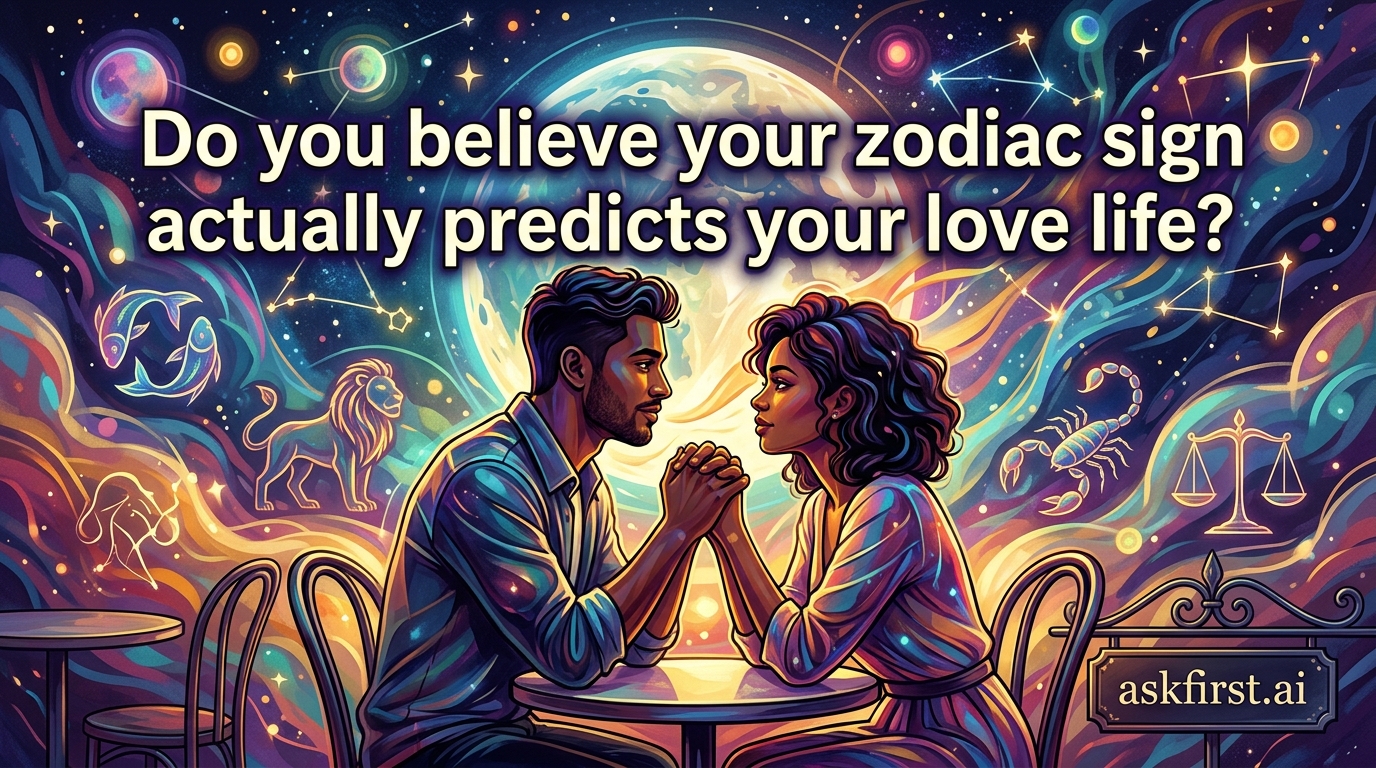
The Cosmic Blueprint: Does Astrology Truly Shape Human Romance?
Astrology remains one of the most enduring cultural phenomena, weaving a tapestry of personality archetypes based on planetary alignments at the moment of birth. While critics frequently dismiss the practice as pseudoscience, the psychological impact and cultural prevalence of zodiac compatibility suggest a more nuanced reality regarding how humans perceive their intimate connections.
The Psychology of Self-Fulfilling Prophecies
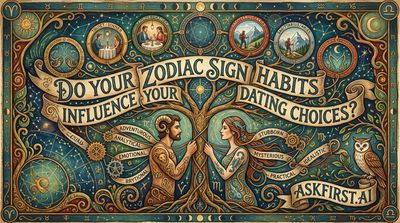
At the core of the intersection between zodiac signs and romance lies the concept of the self-fulfilling prophecy. When individuals read their horoscopes, they often unconsciously mirror the traits described for their sign. If a horoscope suggests that a Taurus is stubborn yet deeply loyal, a person born under this sign may consciously or subconsciously lean into these traits during a relationship conflict. This cognitive bias, known as the Barnum Effect, occurs when people interpret vague personality descriptions as highly accurate, personalized assessments. By believing that a sign dictates behavior, individuals adjust their interpersonal strategies, which often results in the prediction becoming a lived experience.
Compatibility Frameworks and Archetypes
Astrology offers a structured language for understanding human behavior. The twelve zodiac signs are divided into four elemental groups—Fire, Earth, Air, and Water—which serve as shorthand for temperamental compatibility.
- Fire Signs (Aries, Leo, Sagittarius): Often sought after for passion and spontaneity.
- Earth Signs (Taurus, Virgo, Capricorn): Valued for stability, pragmatism, and reliability.
- Air Signs (Gemini, Libra, Aquarius): Known for intellectual connectivity and communication.
- Water Signs (Cancer, Scorpio, Pisces): Prized for emotional depth and intuitive understanding.
Many enthusiasts argue that these elemental groupings provide a roadmap for relational dynamics, allowing partners to anticipate potential friction points and strengths before they manifest. Rather than functioning as a predictive crystal ball, these frameworks act as a mirror, prompting individuals to communicate more effectively about their emotional needs.
The Scientific Perspective: Why Correlation Is Not Causation
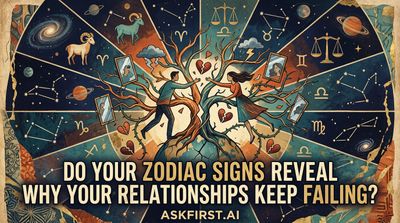
From a strictly empirical standpoint, no peer-reviewed studies in psychology or sociology have established a causal link between planetary positions and romantic outcomes. The scientific consensus posits that human relationship success is determined by complex factors such as shared values, communication styles, emotional intelligence, and socioeconomic circumstances. However, the cultural utility of astrology persists because it provides a narrative structure to human life. It offers a sense of order in the chaotic world of modern dating. By categorizing potential partners, people find comfort in systems that provide a semblance of predictability. Whether or not it is scientifically grounded, the practice functions as a social tool that encourages self-reflection and dialogue, ultimately impacting the success of a romance through the increased attention partners pay to their behavioral habits and compatibility expectations.