The Reality of Cinematic Influence
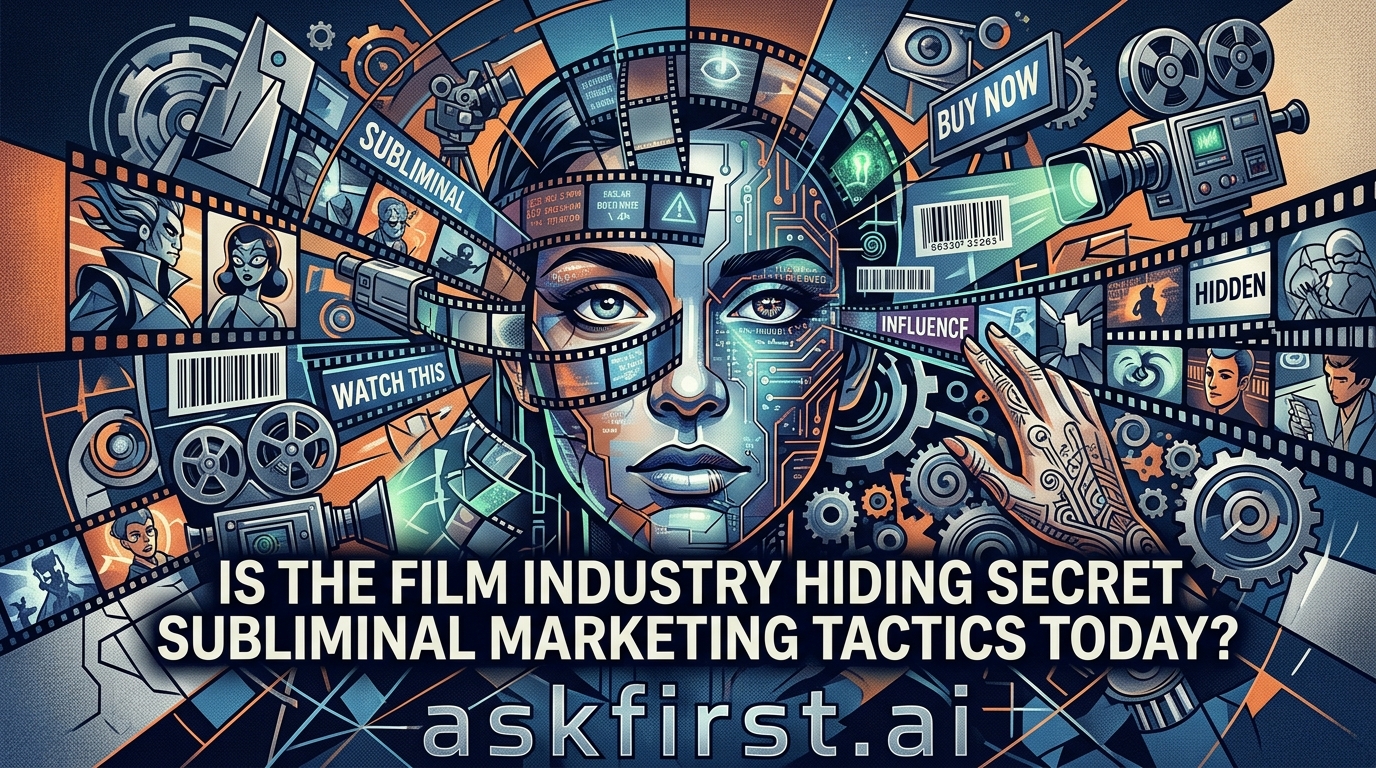
The notion that the film industry employs secret, brain-altering subliminal messages remains a captivating subject of public fascination. While urban legends persist about hidden frames embedded in movie reels—a myth largely popularized by James Vicary in the 1950s—the reality of modern cinematic influence is far more sophisticated, psychological, and pervasive. Industry practitioners rarely rely on 'subliminal' tricks, as scientific evidence suggests these are largely ineffective. Instead, filmmakers utilize 'supraliminal' techniques, which operate just above the threshold of conscious awareness to craft powerful emotional associations.
Psychological Anchoring and Product Placement
Modern marketing in film relies on deep psychological anchoring. Product placement is not merely about brand visibility; it is about creating subconscious cognitive associations. When a beloved character consistently consumes a specific beverage or drives a particular brand of vehicle during moments of triumph or comfort, the audience develops a positive emotional bias toward those items. This phenomenon, known as the 'mere exposure effect,' suggests that repeated exposure increases preference. The industry carefully calculates these placements to align with the character's archetypal traits, effectively turning brand identifiers into symbols of aspiration or relatability.
The Architecture of Sensory Cues
Beyond visual branding, film uses sensory architecture to influence viewer state. Sound design, lighting temperature, and rapid-fire editing patterns serve as subtle psychological primers. For instance, the use of low-frequency audio, often referred to as 'the rumble,' can induce feelings of unease or anticipation, making the viewer more receptive to the marketing messages appearing in subsequent scenes. Similarly, specific color grading patterns—such as the ubiquitous orange-and-teal look—can subtly shift the audience’s mood, making them more susceptible to the specific cultural or commercial values presented on screen. These are not 'secret' tactics, but rather mastery of cognitive behavioral principles.
Behavioral Economics and Data-Driven Storytelling
In the digital age, film marketing has evolved into a data-driven science. Studios now use advanced predictive analytics to test trailers and film sequences on test audiences. By monitoring biometric responses—such as heart rate, skin conductivity, and eye-tracking—marketers identify exactly which moments elicit the most engagement. They then refine the pacing, dialogue, and imagery to maximize retention and emotional impact. This process ensures that the 'message' of the film, including its branded elements, is optimized for peak psychological resonance. The industry is not hiding secret signals; it is building better psychological mousetraps through rigorous behavioral research. By understanding the intricate ways human perception functions, studios can ensure that their products are seamlessly integrated into the viewer’s personal narrative, creating lasting impressions that feel entirely organic.