The Psychology of Professional Dress: Decoding Workplace Authority
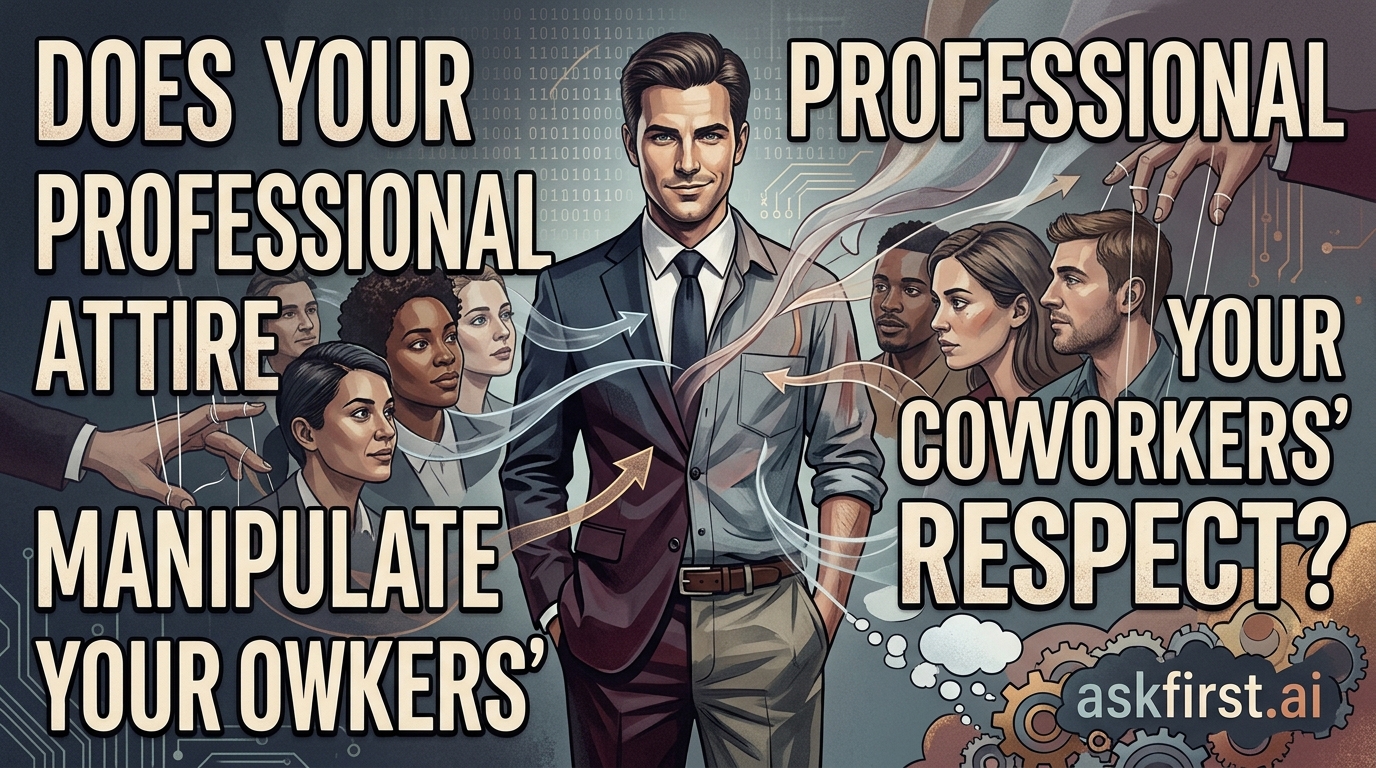
Attire is often viewed merely as a functional choice or a stylistic expression, yet psychological research suggests clothing acts as a silent language that dictates social hierarchy. The concept of 'enclothed cognition,' coined by researchers Hajo Adam and Adam Galinsky in 2012, posits that the clothes we wear influence our own psychological processes and how others perceive our competence, authority, and status. When individuals dress for the role they aspire to hold, they subconsciously signal professionalism and capability, often triggering an automatic respect response in coworkers.
The Mechanism of Authority
Human brains are wired to use cognitive shortcuts, known as heuristics, to make rapid social judgments. Professional attire serves as a primary cue for these snap assessments. Research indicates that individuals wearing formal business clothing are frequently perceived as more trustworthy, intelligent, and authoritative than those in casual wear. This phenomenon occurs because specific items—such as a tailored blazer or a structured collared shirt—are historically associated with leadership and organizational power. When these cues are present, coworkers are more likely to yield space, defer to opinions, and grant higher levels of professional credibility.
Influencing Perception Through Visual Cues
Several key factors determine how attire shapes workplace interactions:
- Structured Silhouettes: Sharp lines and tailored fabrics evoke a sense of discipline and attention to detail. This visual rigor leads others to believe the wearer is organized and meticulous.
- Color Psychology: Darker, muted tones like navy, charcoal, or forest green are universally associated with stability and seniority. Conversely, overly vibrant colors can sometimes trigger perceptions of playfulness rather than strategic focus.
- Appropriate Formality: Context remains king. While formality drives respect in traditional settings, 'mismatching' attire—such as being overdressed in a creative startup—can actually alienate peers. The most successful professionals calibrate their style to match the organizational culture while retaining a 'slight edge' of sophistication.
Beyond Surface Impressions: The Feedback Loop
This is not a one-way street of deception. Clothing functions as a feedback loop. When a person wears professional attire, they often experience a shift in their own mindset. This is the core of enclothed cognition: if the wearer feels professional, they perform with higher levels of confidence, articulation, and decisiveness. Coworkers react to this increased self-assurance, creating a reinforcement cycle where the wearer earns genuine respect not just for the fabric, but for the behavior that the fabric facilitates.
Conclusion
Ultimately, while professional attire is a tool for influence, it is not a replacement for talent. It serves as a psychological catalyst that bridges the gap between potential and perception. By understanding the visual language of the workplace, individuals can harness these subconscious triggers to foster environments where their skills are more readily recognized and respected.