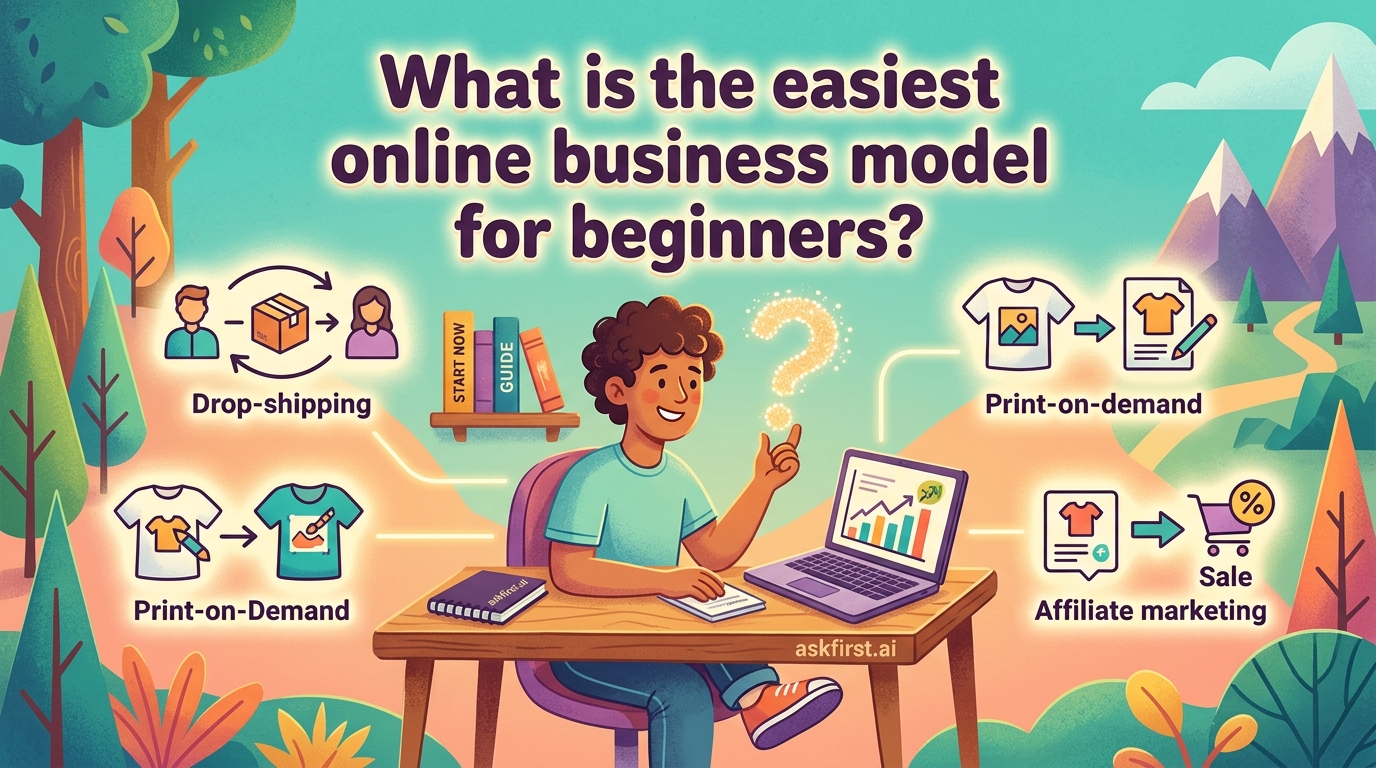
The Ultimate Guide to Starting an Affiliate Marketing Business for Beginners
For individuals seeking the lowest barrier to entry in the digital economy, Affiliate Marketing stands as the definitive easiest online business model. Unlike e-commerce, which requires inventory management, or SaaS development, which demands technical expertise, affiliate marketing allows beginners to focus exclusively on content creation and audience engagement.
What is Affiliate Marketing?
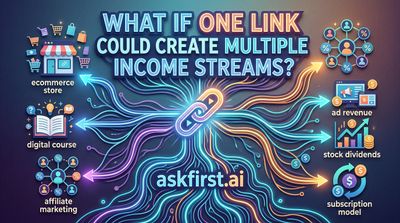
At its core, affiliate marketing is a performance-based business model where an individual promotes a third-party product or service. When a consumer clicks a unique tracking link and completes a purchase, the affiliate earns a commission. It is essentially a digital version of a referral program, scaled globally through the internet.
Why It Is the Easiest Model
- Zero Inventory Costs: You do not need to manufacture, store, or ship products.
- No Customer Support: All post-purchase inquiries, returns, and technical issues are handled by the merchant.
- Low Startup Capital: You can begin with nothing more than a social media account or a low-cost blog.
- Passive Income Potential: Once content is optimized for search engines, it can generate commissions for years without active intervention.
Step-by-Step Implementation Guide
To launch an affiliate business, follow this structured roadmap:
- Niche Selection: Choose a topic you are passionate about or have expertise in (e.g., home fitness, sustainable living, or tech gadgets). Narrower niches, known as "micro-niches," often convert better.
- Platform Choice: Decide where you will host your content. A dedicated website (using WordPress) offers the most control, while platforms like TikTok, Instagram, or YouTube provide organic reach without a website.
- Join Affiliate Programs: Sign up for reputable networks. Amazon Associates is the most common for beginners due to its massive product range. Alternatively, platforms like ShareASale, Impact, or ClickBank offer higher commission percentages for digital products.
- Content Creation: Produce value-driven content. Create "Best [Product] of 2026" articles, "How-to" tutorials, or honest product comparison videos.
- Traffic Generation: Leverage SEO (Search Engine Optimization) to attract organic traffic from Google or use social media algorithms to build a community.
Pros and Cons
Pros
- Scalability: You can promote dozens of products simultaneously.
- Flexibility: Work from anywhere at any time.
- Diversity: You are not tied to a single brand; you can pivot if a company changes its commission structure.
Cons
- Reliance on External Programs: Merchants can change commission rates or shut down programs without warning.
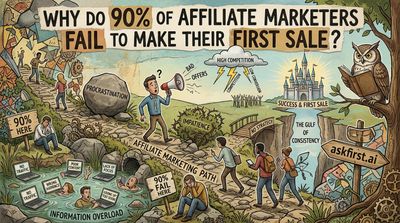
- High Competition: Popular niches require significant effort to stand out.
- Delayed Revenue: It takes time to build the trust necessary for consistent sales.
Future Trends and Outlook
As of June 2026, the industry is shifting toward "Creator Commerce." Consumers are increasingly relying on authentic, human-led reviews over traditional advertisements. The integration of AI tools for content brainstorming and data analytics is making it easier for beginners to identify high-converting products, further lowering the barrier to entry. For those willing to remain consistent and prioritize audience trust over quick sales, affiliate marketing remains the gold standard for entrepreneurial entry.