Orchestrating Innovation: The Architecture of Creative Flow in Enterprise
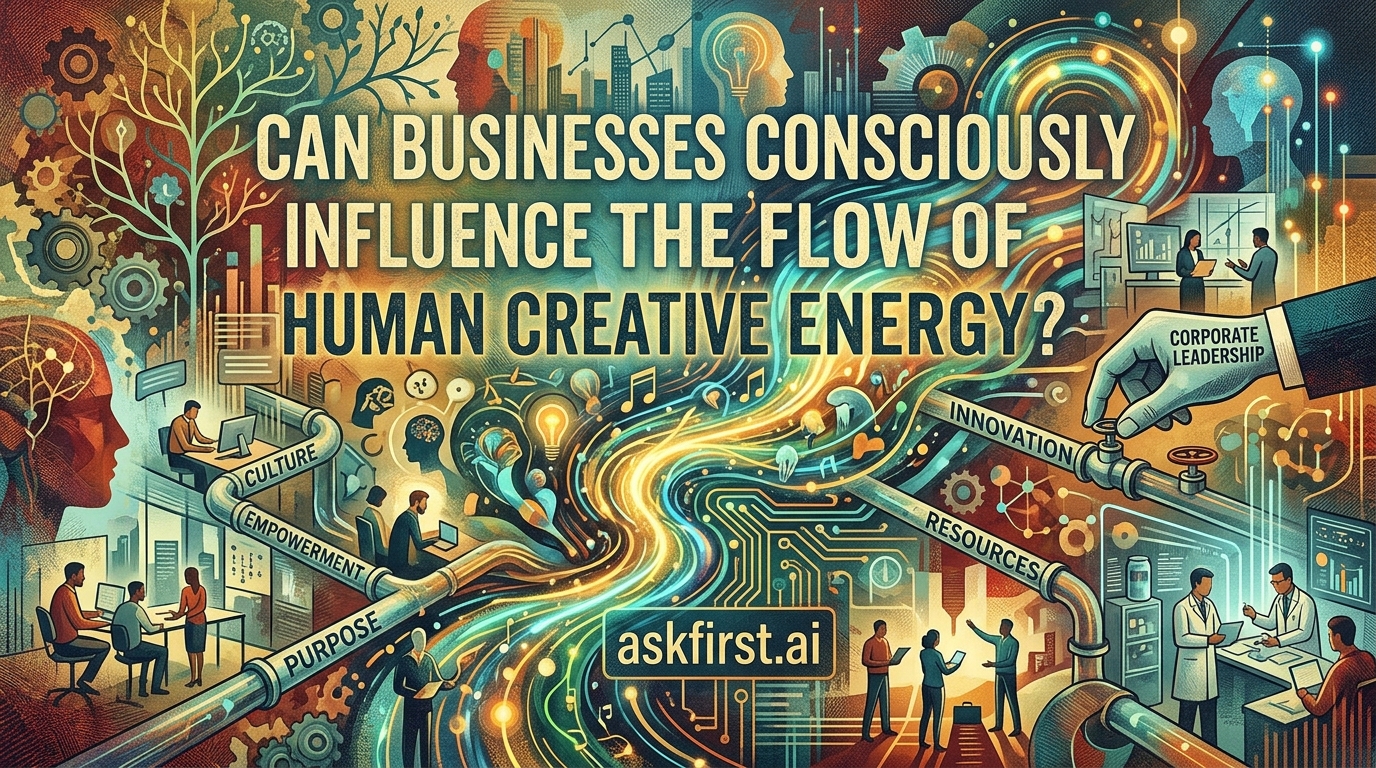
Human creative energy is not an inexhaustible resource; it is a delicate ecosystem that responds to structural and environmental stimuli. While conventional management often treats creativity as an accidental spark, high-performing organizations view it as a programmable outcome influenced by the deliberate design of workspaces, cognitive load, and psychological safety. Businesses can indeed influence the flow of creative energy by shifting from command-and-control models to systems that prioritize intellectual autonomy and environmental variability.
The Neuroscience of the Creative Workplace
Creative energy operates on the principle of divergent and convergent thinking. To influence this flow, organizations must architect spaces that prevent "cognitive fatigue." Research by environmental psychologists suggests that novelty is a primary driver of neuroplasticity. When employees are exposed to environments that shift between open collaborative zones and hyper-focused quiet spaces, the brain undergoes a process called "context switching," which serves as a natural reset for creative blocks.
- Dynamic Zoning: Abandoning rigid desk assignments in favor of "activity-based working" empowers individuals to choose environments that match their task complexity.
- Stimulus Variation: Incorporating biophilic design—such as natural lighting and organic patterns—has been shown to reduce cortisol levels, thereby lowering the mental friction that inhibits high-level abstract thought.
Psychological Safety as the Catalyst
Creativity is inherently risky; it requires the courage to propose ideas that may fail. If a corporate culture implicitly punishes the "wrong" answer, creative energy stagnates. Influence here is driven by leader behavior, not just policy. When leadership normalizes "productive failure," the physiological threat response—which usually shuts down the prefrontal cortex—is suppressed, allowing for the state of "flow" to take hold. Psychological safety is the prerequisite for the intellectual risk-taking necessary for innovation.
Cognitive Load and Time-Blocking
One of the greatest inhibitors of creative energy is context switching between administrative overhead and deep work. Businesses can influence creative output by instituting "maker schedules." By grouping administrative tasks and leaving large, uninterrupted blocks of time for creative development, organizations protect the cognitive resources required for long-form conceptualization. This practice, popularized by Paul Graham, minimizes the "attention residue" that occurs when employees shift between email management and complex problem-solving.
Gamification and Autonomy
Autonomy remains the strongest predictor of intrinsic motivation. Organizations that offer "20% time" or similar initiatives create a sense of ownership that acts as a battery for creative output. By allowing employees to self-direct their creative pursuits within the firm's strategic scope, businesses foster a sense of internal locus of control. This alignment between organizational goals and individual passion acts as a multiplier, turning static creative effort into a self-sustaining flow of high-value innovation.