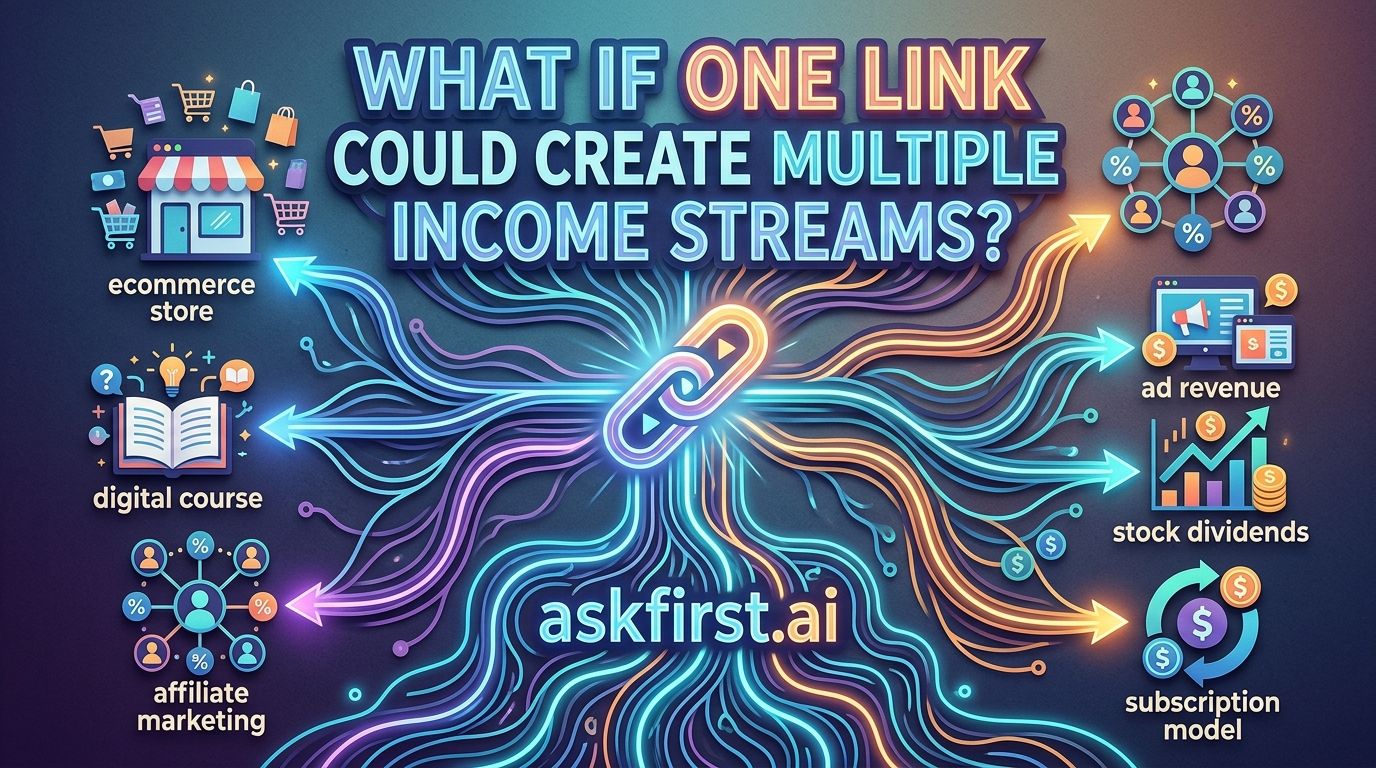
The Power of Link-in-Bio: Mastering Multi-Stream Digital Monetization
The concept of a single "master link" serving as a gateway to multiple income streams has revolutionized the creator economy. Often referred to as a "Link-in-Bio" strategy, this mechanism acts as a centralized hub that funnels traffic from social media platforms—like Instagram, TikTok, and X—into a diversified portfolio of revenue-generating assets. By transforming a static profile link into a dynamic landing page, creators move beyond single-platform dependency toward a robust, multi-channel business model.
The Mechanics of Multi-Stream Linking
At its core, this strategy utilizes specialized software (such as Linktree, Stan Store, or custom-built landing pages) to host a categorized menu of links. Instead of promoting one product at a time, users present a curated ecosystem of opportunities. This approach leverages the "Rule of Seven" in marketing, ensuring that visitors encounter multiple touchpoints of value, increasing the probability of conversion.
Core Revenue Streams Facilitated by a Single Link
- Affiliate Marketing: Directing traffic to high-converting product pages where the creator earns a commission on every sale.
- Digital Product Sales: Selling e-books, templates, presets, or online courses directly via integrated checkout systems.
- Newsletter Subscriptions: Converting social media followers into an owned audience via platforms like Substack or Beehiiv, allowing for future sponsorship and premium content revenue.
- Paid Communities: Linking to exclusive groups on Discord, Patreon, or Skool, where recurring subscription revenue is generated.
- Service Booking: Providing direct access to scheduling tools like Calendly for consulting, coaching, or freelance services.
Strategic Implementation Guide
To maximize the effectiveness of a single link, creators should follow a structured optimization process:
- Prioritize Hierarchy: Place the highest-converting or most profitable link at the very top. Use visual cues like buttons with high-contrast colors to draw the eye.
- A/B Testing: Regularly review click-through rates (CTR) for each link. If a specific offer is underperforming, replace it with a new value proposition.
- Segmentation: Group links by category (e.g., "Shop My Favorites," "Work With Me," "Free Resources") to prevent user paralysis.
- Tracking: Utilize UTM parameters to track the source of each click, allowing for data-driven decisions on where to allocate marketing effort.
Pros and Cons
Pros:
- Centralization: Reduces the friction of changing profile URLs.
- Diversification: Protects the creator if one revenue stream declines.
- Data Insight: Provides granular analytics on audience intent and behavior.
Cons:
- Choice Overload: Too many links can lead to "analysis paralysis," where users click nothing.
- Platform Dependency: Relying on third-party link-in-bio tools introduces a middleman between the creator and the audience.
Future Trends and Evolution
As we look toward 2026 and beyond, the link-in-bio space is evolving into "Social Storefronts." These are no longer just lists of URLs; they are fully integrated e-commerce environments where transactions occur without the user ever leaving the interface. AI-driven personalization is also emerging, where the links displayed change dynamically based on the viewer's past behavior or location, creating a bespoke experience that drastically improves conversion rates. By treating your link as a digital storefront rather than a simple directory, you turn every social media impression into a potential income-generating event.