The Psychology of Stealth: How Silent Luxury Redefines Value
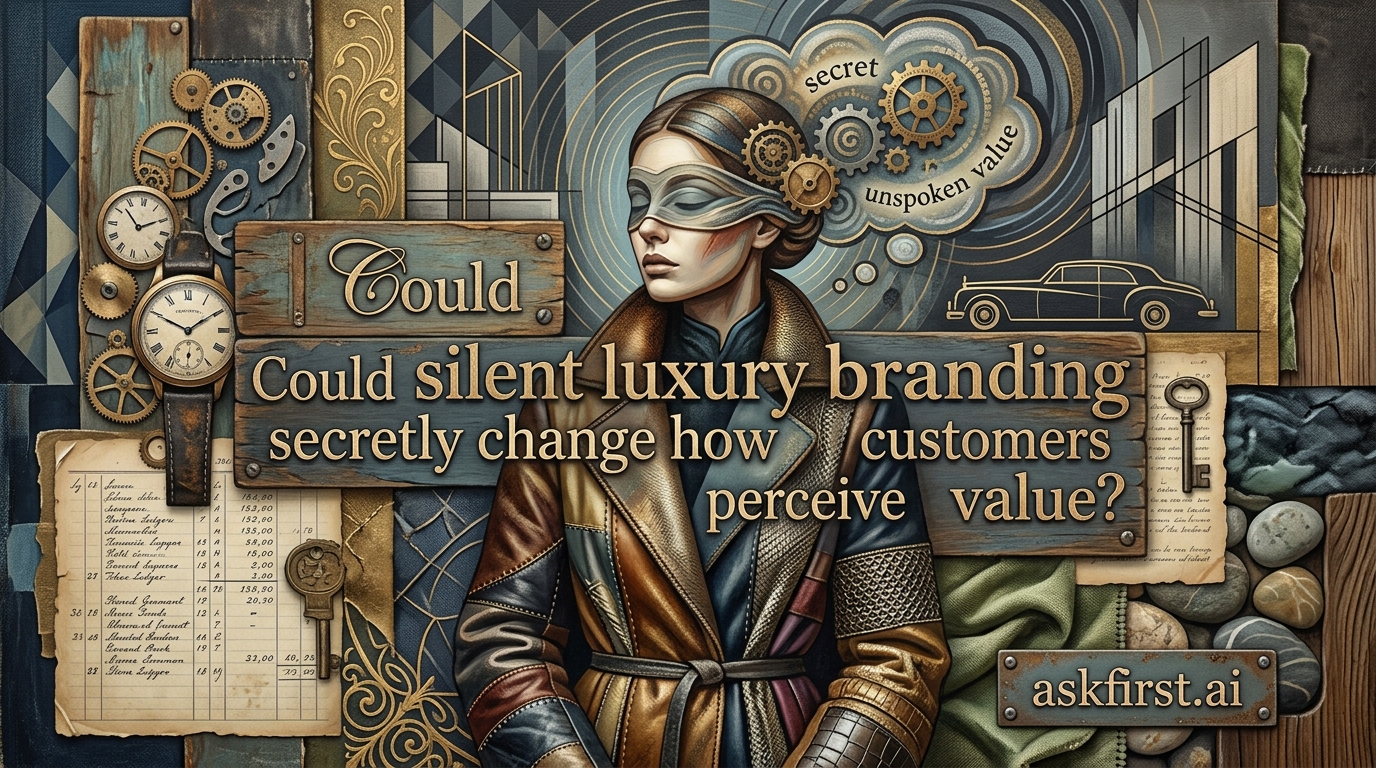
Silent luxury, or "quiet luxury," refers to a branding strategy where logos, overt symbols, and flashy aesthetics are replaced by high-quality materials, minimalist design, and an emphasis on craftsmanship. This shift represents a profound psychological departure from "loud" luxury, which relies on signaling social status through recognizable brands.
The Signaling Theory Perspective
Economist Thorstein Veblen introduced the concept of "conspicuous consumption" in 1899, arguing that individuals display wealth to signal social status. For decades, luxury houses followed this model, leveraging massive logos to ensure public recognition. However, silent luxury operates on the principle of "in-group signaling." By removing obvious markers, brands create an environment where only those "in the know" recognize the quality of the item. This exclusivity increases the perceived value of the product because it creates a psychological barrier to entry, fostering a sense of community among the elite who recognize the subtle craftsmanship without needing a label.
The Psychology of Reduced Cognitive Load
From a psychological standpoint, loud branding can sometimes overwhelm the sensory system, leading to feelings of artifice or fatigue. Silent luxury simplifies the consumption experience. When a consumer interacts with a product that prioritizes fabric, weight, and subtle texture over aggressive marketing, the perceived "honesty" of the product increases. This aligns with the "less is more" aesthetic popularized by design movements like minimalism, which suggests that high-quality, functional objects provide more utility and psychological comfort than status symbols that demand attention.
The Shift to Intrinsic Value
Silent luxury forces the customer to focus on intrinsic value—how the item feels, how it functions, and how long it lasts. Research in behavioral economics suggests that when individuals are not prompted by external brand triggers, they tend to evaluate objects based on sensory input. By eliminating the logo, companies force a deeper engagement with the product's construction. This creates an emotional connection based on "private indulgence." The pleasure is no longer derived from external validation or social signaling, but from the personal, tactile experience of owning something exceptional.
The Longevity Paradox
Finally, silent luxury creates a unique perception of longevity. Logo-heavy items are often subject to the whims of fashion cycles and quickly become "dated." Conversely, products that lack branding but possess superior construction are perceived as timeless. This perception transforms the product from a disposable fashion statement into a long-term asset. When consumers believe an item is "timeless," their willingness to pay increases significantly because the cost-per-wear or cost-per-use drops over time. Ultimately, silent luxury does not just change how customers perceive value; it fundamentally reconfigures the consumer's relationship with status, shifting it from an external performance to an internal validation of taste and discernment.