Innovative Entrepreneurial Avenues for Students: Launching Your Venture Today
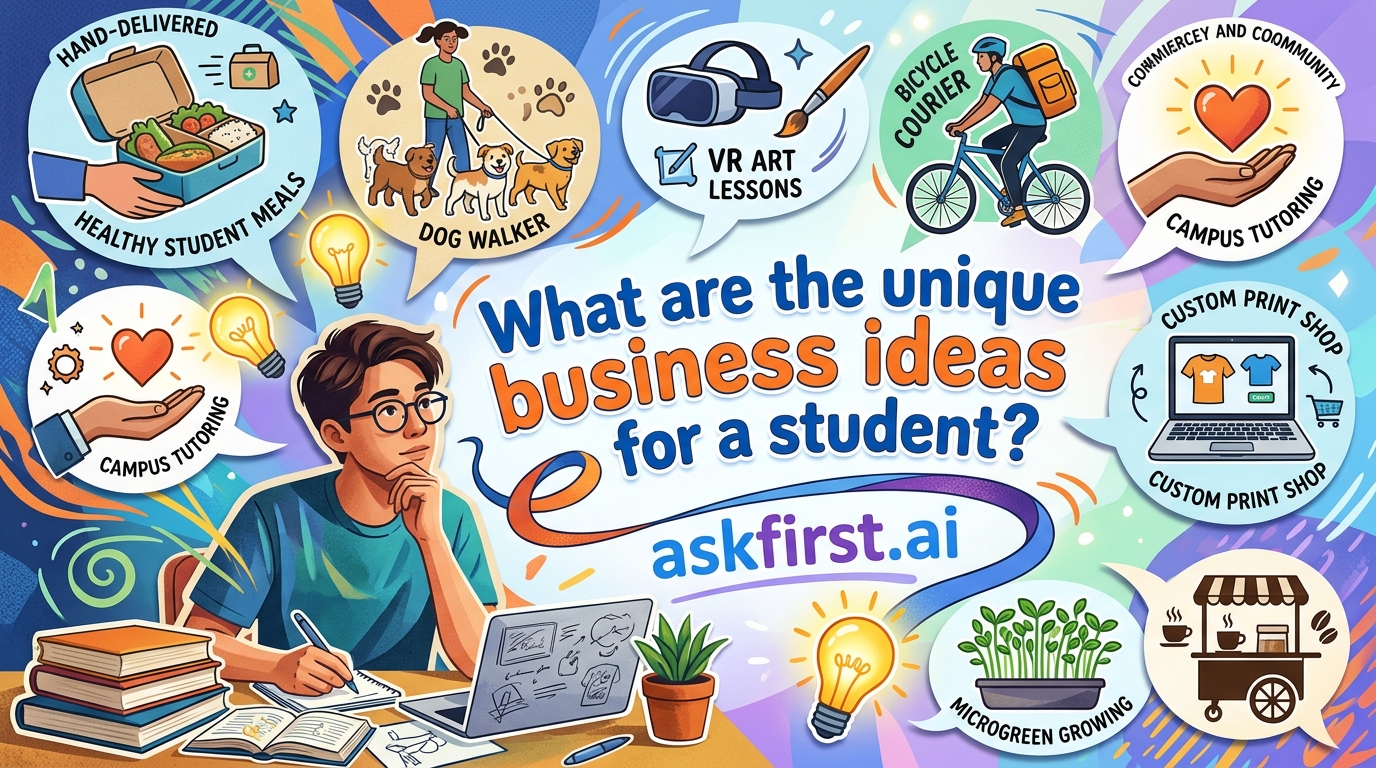
The modern academic landscape offers an unprecedented opportunity for students to cultivate entrepreneurial ventures while still pursuing their degrees. With the rise of the digital economy, the barrier to entry for many business models has plummeted, allowing students to leverage their unique position—having access to research, peers, and a tech-savvy mindset—to generate income and gain invaluable experience.
1. Digital Content and Educational Services
Given the current emphasis on digital literacy, students are perfectly positioned to monetize their knowledge.
- Peer-to-Peer Tutoring: Beyond traditional subjects, there is a booming market for specialized skills like coding, video editing, or language learning. Platforms like TutorMe or private branding on LinkedIn can help scale this.
- Niche Content Creation: Starting a YouTube channel or a Substack newsletter focused on specific academic niches (e.g., "How to survive Architecture School") builds personal branding and attracts potential sponsors.
- Digital Product Sales: Students can create and sell study guides, Notion templates, or printable planners on platforms like Etsy or Gumroad.
2. Service-Based Micro-Enterprises
Service businesses require minimal capital and rely primarily on "sweat equity."
- AI-Powered Freelancing: Use generative AI tools to offer copywriting, social media management, or data entry services to local small businesses that are struggling to adapt to the digital age.
- Campus Logistics & Errands: In large university towns, there is a recurring need for specialized delivery services, campus moving assistance, or "dorm room organization" services.
- Tech Support for Seniors/Local Businesses: Many local businesses lack a robust online presence. A student can offer "Digital Transformation" packages, setting up Google Business profiles, basic websites, or automated email systems.
3. The Resale and Sustainable Economy
The circular economy is a massive trend among Gen Z consumers.
- Curated Vintage Reselling: Sourcing unique items from thrift stores and curating them for an Instagram or Depop shop is a low-risk, high-reward model.
- Tech Refurbishing: Buying broken electronics (laptops, phones), repairing them using online tutorials, and selling them back to students provides a valuable service while honing technical skills.
Pros and Cons of Student Entrepreneurship
| Pros | Cons |
|---|---|
| Low Overhead: Access to campus resources/Wi-Fi. | Time Constraints: Balancing rigorous coursework. |
| Networking: Immediate access to mentors/peers. | Burnout: High risk of physical and mental fatigue. |
| Skill Acquisition: Real-world business application. | Capital Limitations: Tight budget constraints. |
Strategic Implementation Guide
To succeed, students must treat their business as a professional entity from day one:
- Define the Value Proposition: Identify a problem you face daily and solve it. If you have the problem, thousands of other students likely do too.
- Lean Startup Methodology: Build a Minimum Viable Product (MVP). Do not spend money on logos or websites until you have validated your service with at least three paying customers.
- Time Management: Utilize time-blocking techniques. Treat your business like a credit-bearing course to ensure it remains a priority without compromising your GPA.
Future Trends
The integration of AI agents and decentralized finance (DeFi) will continue to lower the barrier for student founders. We are moving toward a future where a student can operate a global business from a smartphone, utilizing automated workflows to handle accounting and marketing. By starting now, students gain a competitive edge in the labor market, as employers increasingly value "founder-led" experience over traditional internships.