The Invisible Architect: How Toxic Colleagues Erode Self-Trust
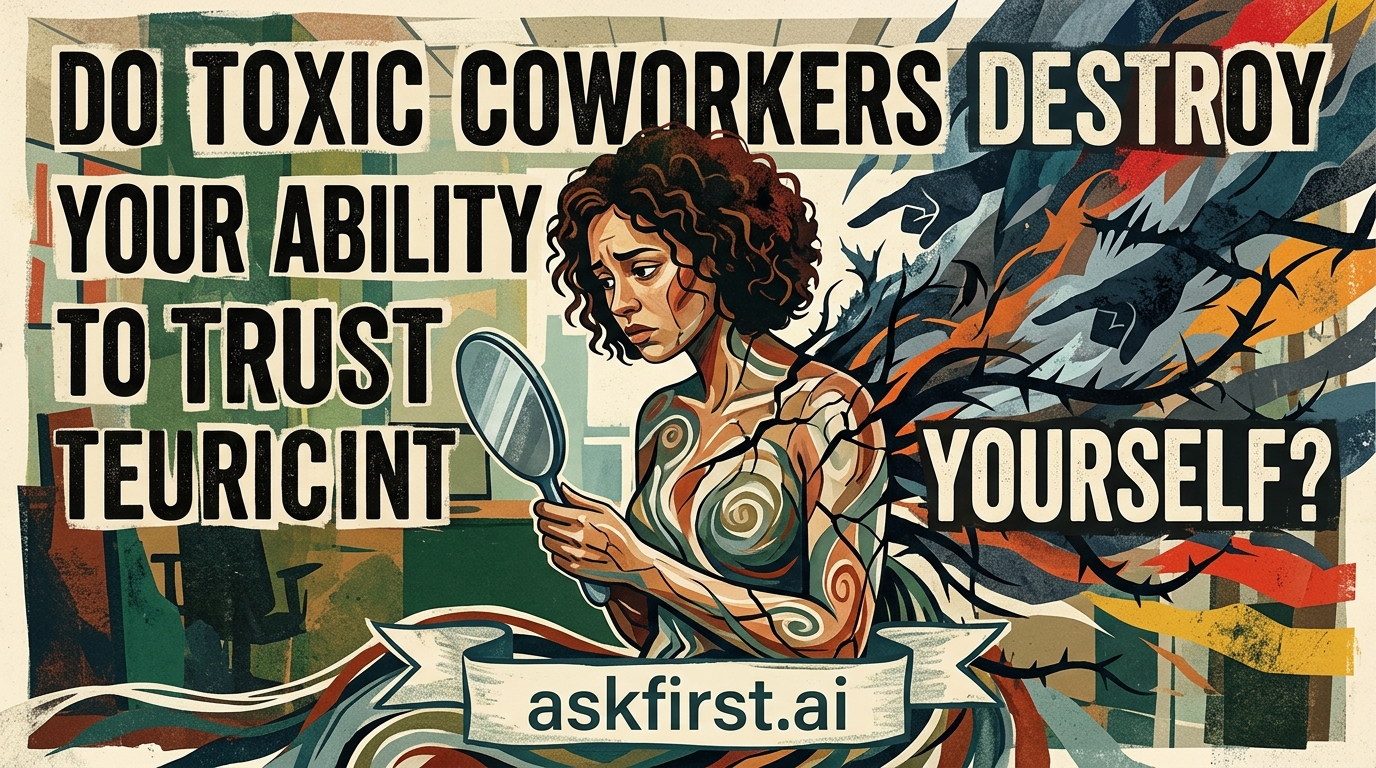
When a workplace environment becomes saturated with toxicity, the damage rarely stops at low morale or lost productivity. Instead, the most profound impact often occurs internally: the steady, calculated erosion of one's intuition and self-trust. This psychological phenomenon, frequently referred to in organizational psychology as workplace gaslighting, serves to destabilize an individual's perception of reality, capabilities, and professional judgment.
The Mechanisms of Erosion
Toxic coworkers often employ subtle tactics that undermine confidence without being overtly aggressive. Common techniques include:
- Selective Amnesia: Denying that specific conversations or commitments occurred, forcing the victim to question their memory.
- Moving Goalposts: Constantly shifting expectations or project requirements, leading to the internal narrative that personal competence is failing.
- Public Undermining: Delivering backhanded compliments or questioning expertise in front of leadership to foster self-doubt regarding one's professional authority.
According to research on workplace bullying, these behaviors trigger a physiological stress response that mimics survival mode. When an individual is subjected to chronic, inconsistent feedback or social exclusion, the amygdala remains hyperactive, which suppresses the prefrontal cortex—the area responsible for logical reasoning and self-assurance. Over time, the instinct to trust one’s own professional assessment is replaced by a paralyzing need to seek validation from the very people creating the toxicity.
The Anatomy of Self-Doubt
Self-trust is the bedrock of professional resilience. When it is compromised, the decision-making process slows down significantly. Victims of toxic environments often find themselves double-checking routine emails, over-preparing for simple meetings, or hesitating to share innovative ideas. This behavior isn't a lack of talent; it is an adaptation to a hostile environment where the individual has been conditioned to believe that their perception of events is consistently "wrong" or "too sensitive."
Reclaiming Your Internal Compass
Rebuilding self-trust requires a deliberate transition from reactive processing to proactive boundary setting. The first step involves Objective Documentation. Maintaining a private record of projects, decisions, and feedback provides a factual anchor that reality-tests the distortions projected by toxic colleagues. When external manipulation attempts to sway perspective, having a tangible history allows for an objective assessment rather than an emotional reaction.
Furthermore, Intellectual Validation outside the immediate sphere of influence is critical. Consulting with mentors, industry peers, or trusted coaches who operate outside the toxic environment helps calibrate one's internal barometer. This external perspective serves as a mirror, reflecting one's actual performance back to them, independent of the distorted narrative crafted within the office. Trusting oneself is not an overnight process but a disciplined habit of verifying reality, acknowledging personal competence, and distancing from those who weaponize doubt as a form of social and professional control.