Path to Prosperity: The Best Educational Pathways for High-Paying Careers
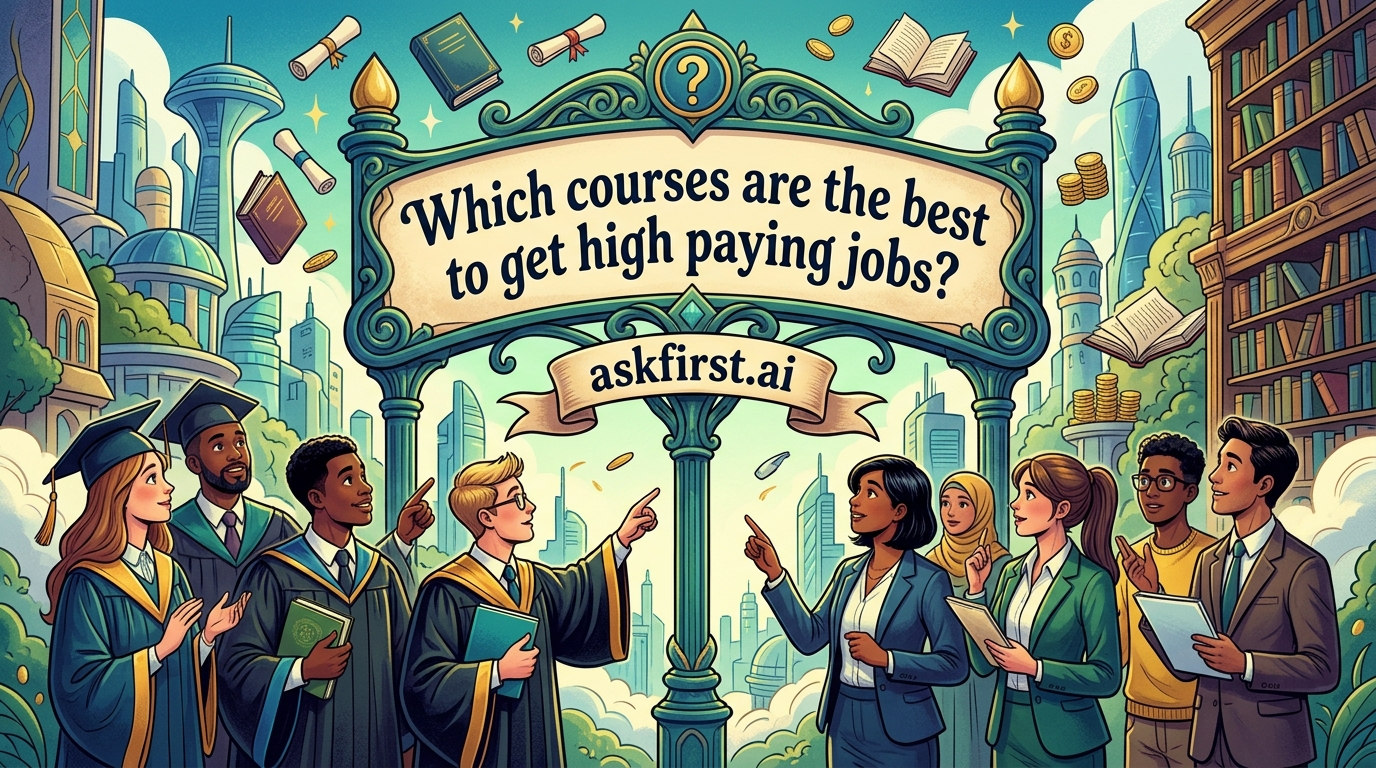
In the modern global economy, the link between specialized education and high earning potential is stronger than ever. As industries shift toward automation, data-driven decision-making, and complex infrastructure, specific disciplines have emerged as the "gold standard" for career stability and top-tier compensation.
1. Top Disciplines for High Earning Potential
The following fields consistently report the highest median salaries and fastest wage growth:
- Computer Science and Software Engineering: With the rapid expansion of Artificial Intelligence (AI), Machine Learning (ML), and Cloud Computing, software developers and data architects are in extreme demand. Mastery of languages like Python, Rust, and SQL is essential.
- Quantitative Finance and Economics: Roles in investment banking, actuarial science, and hedge fund management require advanced mathematical proficiency. These fields leverage complex algorithms to manage global capital.
- Petroleum and Chemical Engineering: Despite the transition to green energy, these fields remain among the highest-paid due to the high barrier to entry and the critical nature of global resource management.
- Specialized Healthcare: Surgeons, anesthesiologists, and nurse practitioners occupy the top tier of compensation. This path requires the longest commitment to education but offers the highest job security.
2. Practical Guide: How to Choose Your Course
To maximize your ROI (Return on Investment), follow these steps:
- Assess Market Demand: Use platforms like LinkedIn Insights or the U.S. Bureau of Labor Statistics to identify roles with the highest projected growth over the next decade.
- Evaluate Technical vs. Soft Skills: High-paying roles often require a "T-shaped" skill set—deep expertise in one technical area (e.g., Cybersecurity) and broad competence in communication and leadership.
- Prioritize Certification over Mere Degrees: In tech, a degree is a starting point, but professional certifications (e.g., AWS Certified Solutions Architect, CISSP, CFA) often trigger immediate salary bumps.
- Networking Integration: Choose programs that offer robust internship placement or industry partnerships. Your network is often more influential than your GPA in securing high-tier offers.
3. Pros and Cons of High-Salary Education
| Pros | Cons |
|---|---|
| Financial Security: Higher lifetime earnings. | High Opportunity Cost: Significant tuition and years spent studying. |
| Career Mobility: High-demand skills are transferable globally. | Burnout Risk: High-paying roles often demand long hours and high stress. |
| Intellectual Growth: Exposure to complex, cutting-edge problems. | Obsolescence: Rapid tech changes require constant, expensive re-skilling. |
4. Future Trends
The future of high-paying education is shifting toward "Micro-Credentialing" and "Lifelong Learning." Traditional four-year degrees are being supplemented by intensive "bootcamps" and specialized nano-degrees. As AI replaces routine cognitive tasks, the highest-paid professionals will be those who can manage, audit, and innovate alongside automated systems. Emotional intelligence, strategic ethics, and systems thinking will become the premium skills of the 2030s, effectively shielding professionals from the risks of automation while justifying high salaries in a competitive labor market.