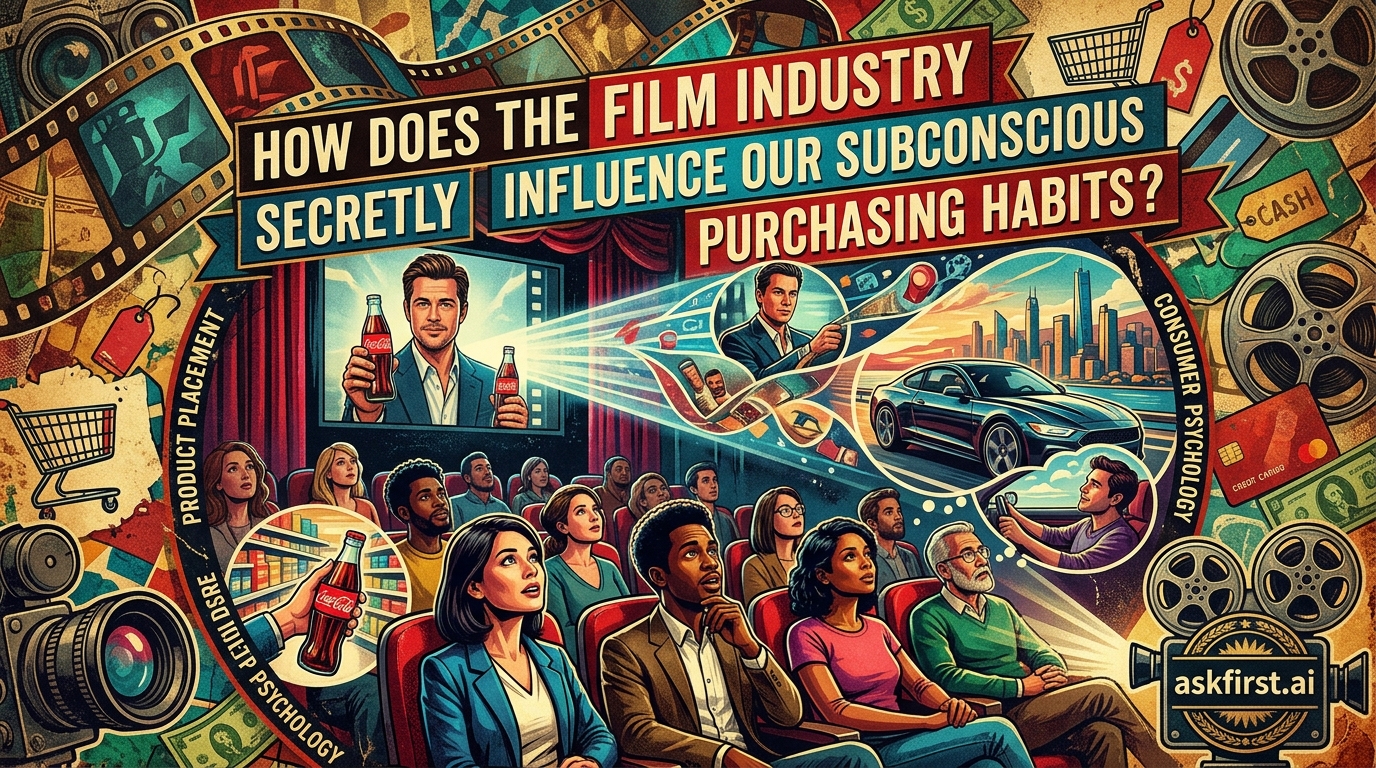
The Hidden Persuaders: Cinematic Product Placement and Consumer Psychology
Modern cinema serves as a massive, subconscious training ground for consumer behavior. By embedding branded products directly into the fabric of storytelling, filmmakers utilize a psychological technique known as the mere-exposure effect. This phenomenon posits that people tend to develop a preference for things merely because they are familiar with them. When a beloved protagonist consumes a specific beverage or drives a recognizable luxury vehicle, the viewer subconsciously associates those products with the character’s perceived success, status, and charisma.
The Architecture of Subliminal Influence
Product placement, often referred to as brand integration, operates on the principle of indirect association. Unlike traditional advertising that interrupts the viewer, integrated marketing flows seamlessly within the plot. This bypasses the natural mental barriers that viewers construct against commercial messages. The brain encodes these brand exposures not as advertisements, but as environmental truths of the world being portrayed. This creates a powerful "halo effect," where the positive emotions tied to the film transfer directly to the products seen on screen.
Key psychological mechanisms include:
- Aspirational Identification: Viewers often project their desires onto film characters. If an iconic lead character uses a specific watch or laptop, the consumer desires that item to achieve a similar level of refinement or competency.
- Contextual Anchoring: Placing a product in a high-stakes or emotionally charged scene anchors that brand to that specific memory. When a consumer later encounters that product in a store, the brain retrieves the emotional resonance from the film.
- Normalization: Repetitive exposure to products within various film genres creates a sense of cultural normalcy. It validates the brand as a standard, reliable choice within a societal context.
The Data-Driven Future of Integration
Beyond simple visual appearances, the film industry now employs sophisticated data analytics to map consumer demographics to specific content genres. Studios evaluate the "psychographic profile" of their target audience to decide which brands fit seamlessly into the narrative. For instance, an action film targeting thrill-seekers will feature high-performance gear, while a family-oriented drama will focus on household items that promise domestic security and comfort. This synergy between film production and corporate strategy ensures that the influence remains potent yet largely invisible to the untrained eye. Research suggests that brand recall for integrated products is significantly higher than that of traditional TV spots because the audience remains fully immersed in the experience. The film industry creates an environment where shopping becomes a form of lifestyle emulation, turning passive moviegoers into active participants in a global marketplace of aspirational goods.