Comprehensive Strategies for Business Growth and Customer Satisfaction
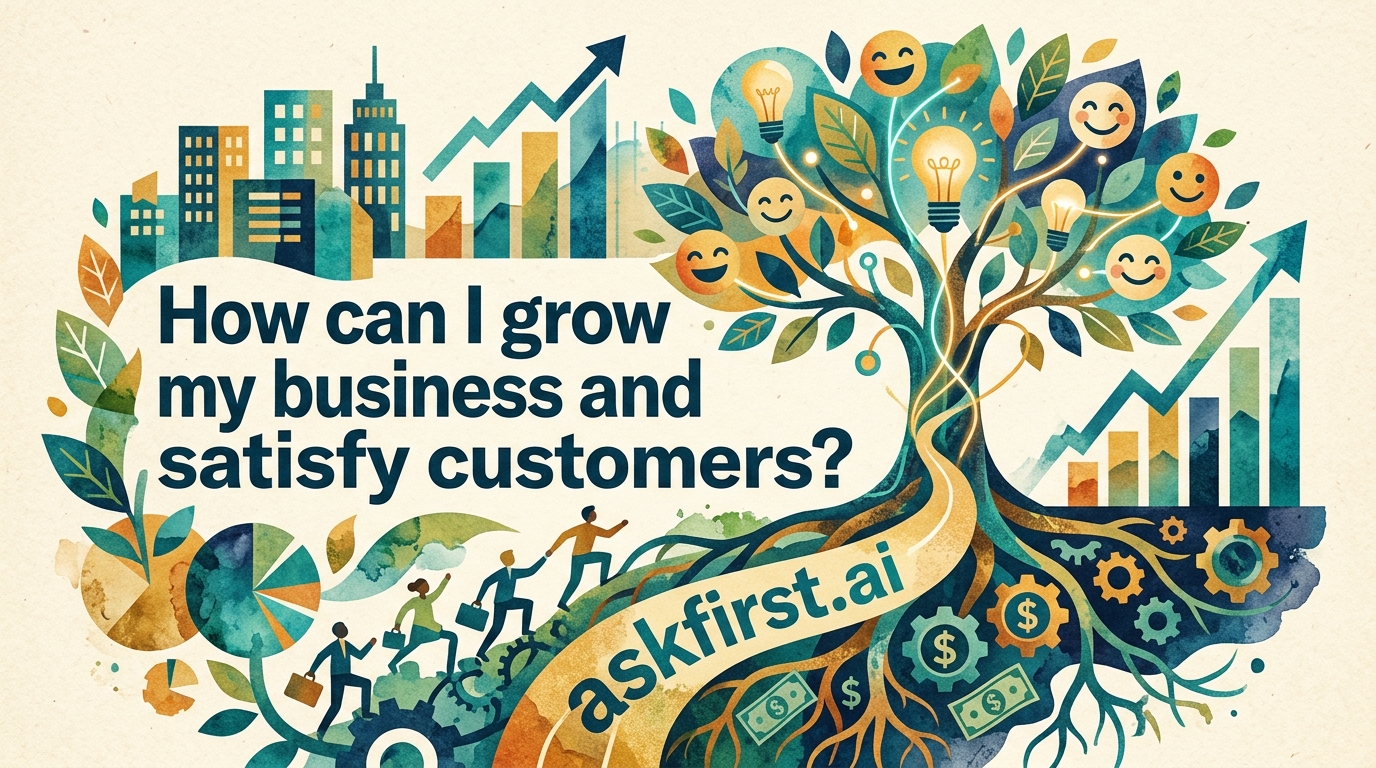
Achieving sustainable business growth while maintaining high levels of customer satisfaction requires a dual-focus strategy. You must balance aggressive market expansion with a commitment to service excellence. This guide explores the multifaceted approach required to scale effectively in the modern economic landscape.
I. Strategic Foundations for Business Growth
Growth is rarely accidental; it is the result of deliberate planning and data-driven decision-making.
1. Market Penetration and Expansion
- Market Research: Utilize SWOT analysis (Strengths, Weaknesses, Opportunities, Threats) to identify gaps in your current market.
- Diversification: Explore new product lines or services that complement your existing offerings.
- Digital Transformation: Invest in automation and CRM (Customer Relationship Management) software to streamline operations, allowing your team to focus on high-value tasks rather than manual data entry.
2. Scalability and Infrastructure
To grow, your internal processes must be repeatable. Develop Standard Operating Procedures (SOPs) for every department. As you scale, invest in cloud-based infrastructure to ensure your systems can handle increased traffic and transaction volumes without performance degradation.
II. Mastering Customer Satisfaction
Customer satisfaction (CSAT) is the primary engine of long-term profitability. Satisfied customers become brand advocates, reducing your Customer Acquisition Cost (CAC) through organic referrals.
1. The Feedback Loop
You cannot satisfy a customer if you do not understand their pain points.
- Surveys: Implement Net Promoter Score (NPS) and CSAT surveys at key interaction touchpoints.
- Active Listening: Monitor social media and review platforms (Google, Yelp, Trustpilot) to identify systemic issues.
- Closing the Loop: When a customer complains, resolve the issue publicly (if appropriate) and privately, ensuring they feel heard and valued.
2. Personalization and Customer Experience (CX)
In 2026, personalization is a baseline expectation. Leverage AI-driven analytics to provide tailored recommendations. A customer who feels "known" by a brand is significantly more likely to remain loyal.
III. Practical Implementation Guide: A Step-by-Step Approach
Follow these steps to synchronize your growth with your service standards:
- Audit Current Performance: Analyze your sales funnels and churn rates. Where are you losing customers?
- Define Your Value Proposition: Ensure your marketing message aligns with the actual experience the customer receives.
- Empower Your Employees: Front-line staff are the face of your business. Provide them with the authority to resolve issues on the spot without needing manager approval.
- Leverage Data: Use predictive analytics to anticipate customer needs before they arise.
- Iterate: Business environments change rapidly. Conduct quarterly reviews of your growth metrics and customer sentiment reports.
IV. Future Trends and Challenges
The future of business growth lies in Ethical AI and Sustainability. Modern consumers increasingly prioritize brands that demonstrate environmental responsibility and transparency. By integrating these values into your growth strategy, you differentiate your brand in a crowded marketplace.
Pros of these strategies: Increased market share, higher Customer Lifetime Value (CLV), and greater brand equity.
Cons: High initial investment in technology and potential culture friction during organizational scaling.
By focusing on operational excellence and treating customer satisfaction as a core KPI, you create a robust foundation for long-term, scalable success.