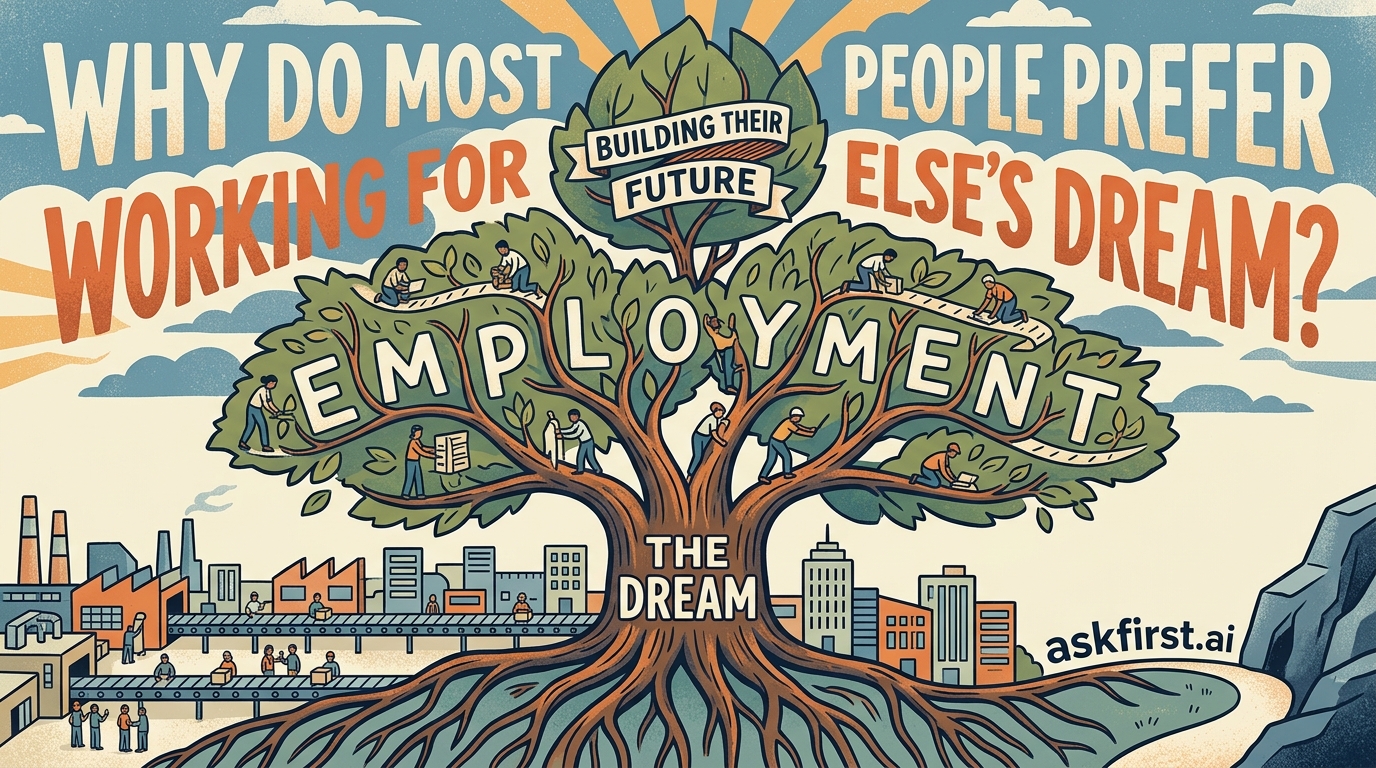
The Psychology of Security: Why Employment Remains the Default Path
Many individuals harbor a subconscious preference for the stability of employment over the uncertainty of entrepreneurship. While society often glorifies the "hustle" of the founder, the vast majority of the workforce thrives within established organizational frameworks. Understanding this dynamic requires examining the psychological, structural, and economic factors that underpin this choice.
The Evolutionary Need for Security
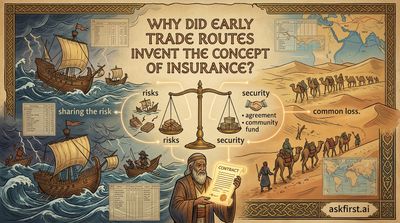
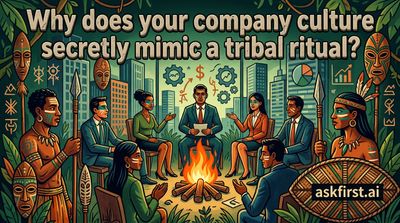
From a psychological perspective, the human brain is hardwired for survival, often prioritizing predictable outcomes over high-risk opportunities. Evolutionary biology suggests that ancient human groups survived by cooperating within a tribe, where collective labor provided consistent food and shelter. Today, the corporation acts as the modern "tribe." The promise of a fixed paycheck, health insurance, and structured career ladders triggers a sense of safety that is deeply appealing to the human amygdala, which detects and mitigates threats. Entrepreneurship, by contrast, introduces high levels of cortisol-inducing unpredictability, which many find inherently stressful.
Cognitive Load and Decision Fatigue
Running a business entails a massive cognitive load. Entrepreneurs must manage marketing, product development, legal compliance, and financial strategy simultaneously. For most people, the "dream" of business ownership is outweighed by the reality of constant decision fatigue. Working for an employer allows individuals to focus on specific, mastered skills. This division of labor is the bedrock of industrial productivity. By specializing in one role—such as engineering, accounting, or design—employees achieve professional excellence without the existential burden of managing every aspect of a business lifecycle.
The Myth of Total Freedom
There is a common misconception that working for oneself equals total freedom. In reality, entrepreneurs are often beholden to a wider array of "bosses," including investors, regulatory bodies, and fickle consumer markets. A structured work environment often provides clearer boundaries between personal and professional life. For many, a job is a tool that facilitates a lifestyle, rather than being the lifestyle itself. By trading labor for capital within a structured hierarchy, individuals gain the financial predictability required to pursue personal interests, family commitments, and hobbies outside of work hours.
Social Proof and Risk Mitigation
Societal structures are heavily optimized for the employee model. Educational systems are largely designed to produce skilled workers, and financial institutions prioritize lending to individuals with consistent employment history. Choosing the path of the employee is an act of aligning with systemic risk-mitigation strategies. By participating in someone else's dream, an individual effectively outsources the most volatile risks—such as market fluctuation and operational failure—to the entity owner. This collaborative model has successfully scaled global civilization for centuries, providing a reliable pathway for middle-class prosperity.