The Hidden Geometry of Success: How Desk Placement Shapes Your Career Path
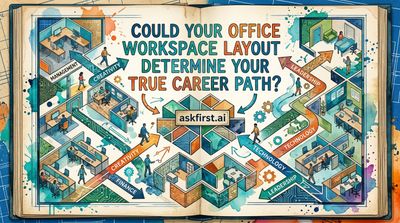
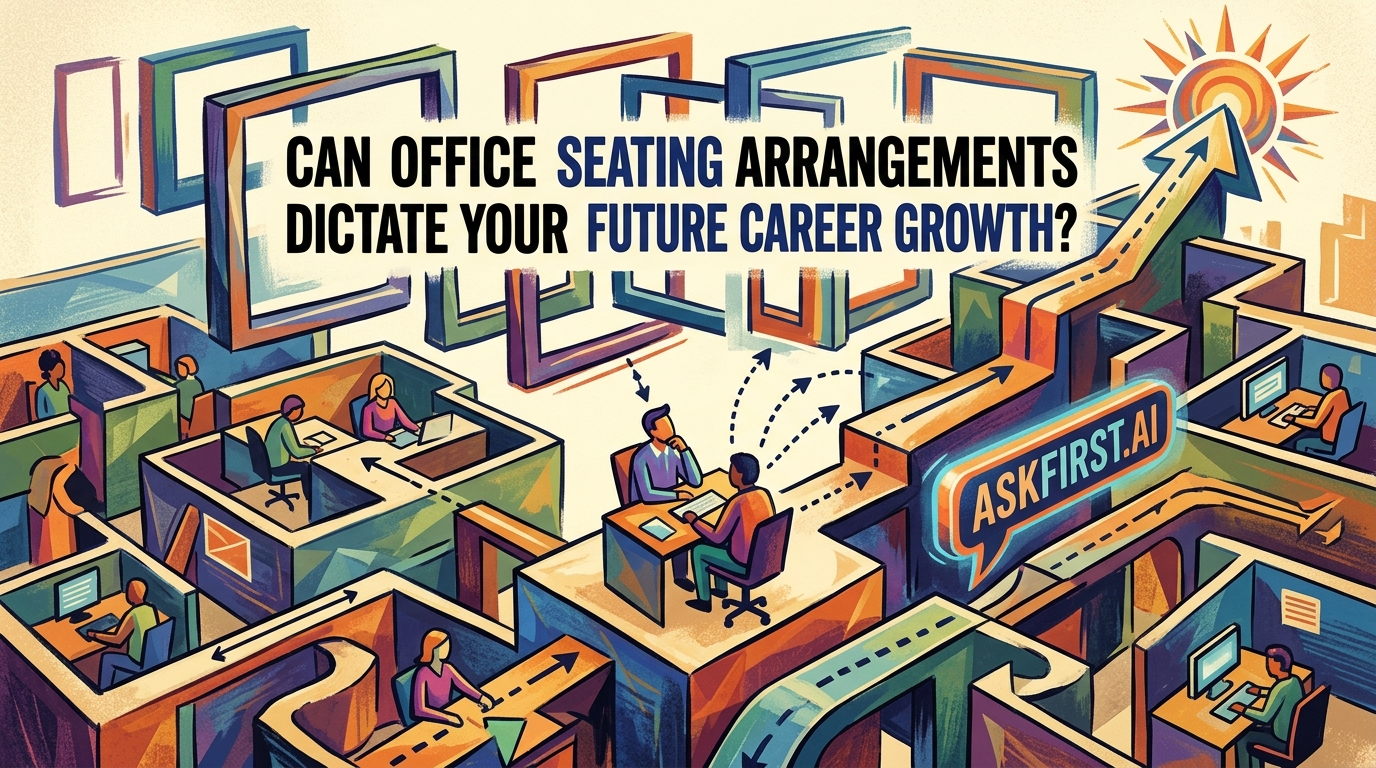
Modern organizational psychology suggests that the physical environment is not merely a backdrop for labor but an active participant in professional trajectory. While the digital age prioritizes remote connectivity, the physical office remains a powerful social laboratory. Strategic seating placement often acts as a silent catalyst for visibility, collaboration, and perceived authority.
The Proximity Effect and Visibility
Research in organizational behavior consistently demonstrates that proximity to leadership is a significant factor in career advancement. This phenomenon, often termed "proximity bias," indicates that employees stationed in high-traffic zones or near key decision-makers are more likely to be considered for promotions. When executives see team members interacting with stakeholders or tackling problems in real-time, those individuals naturally remain "top-of-mind" during merit discussions.
- High-Visibility Zones: Desks located along main thoroughfares or near central hubs allow for spontaneous interactions.
- The Peripheral Trap: Isolated cubicles or corners can diminish social capital, leading to a loss of organizational influence.
Seating as a Signal of Social Capital
Beyond simple visibility, where one sits often serves as an architectural signal of importance. In many corporate hierarchies, the location of a workstation correlates with an individual's status. For instance, seating that affords a view of the entrance or the room’s center conveys a sense of "territorial dominance," which psychologists link to increased confidence and assertive leadership styles. This is not about vanity; it is about the psychology of space. When an individual feels strategically placed, their behavior often shifts to mirror the expectations of that environment, leading to increased output and leadership signaling.
Overcoming the Architecture of Stagnation
Not every employee can be placed next to a CEO, nor should they desire to be. The key to navigating office geography is intentionality. For those in less optimal seating, the strategy lies in becoming a "network bridge." By choosing to conduct meetings in public lounge areas or volunteering for cross-departmental task forces, employees can transcend the limitations of their physical coordinates.
- Map the Social Hubs: Identify where power and information flow in your specific office layout.
- Optimize Interaction Frequency: Ensure your desk is not a barrier to social exchange.
- Create Your Own Geography: Use communal spaces to break out of physical silos and connect with diverse stakeholders.
Conclusion: Mastering the Environment
Ultimately, while desk placement is not the sole determinant of success, it functions as an environmental lever. Exceptional talent can overcome poor positioning through grit and networking, but being aware of how physical space influences professional perception provides an undeniable competitive edge. Success requires mastering the internal geography of an organization just as much as mastering the core technical skills of the role. By treating office seating as a strategic asset rather than a static constraint, professionals can significantly enhance their organizational footprint and future-proof their career trajectory.