Do Dogs Dream Like Humans? The Science of Canine Slumber
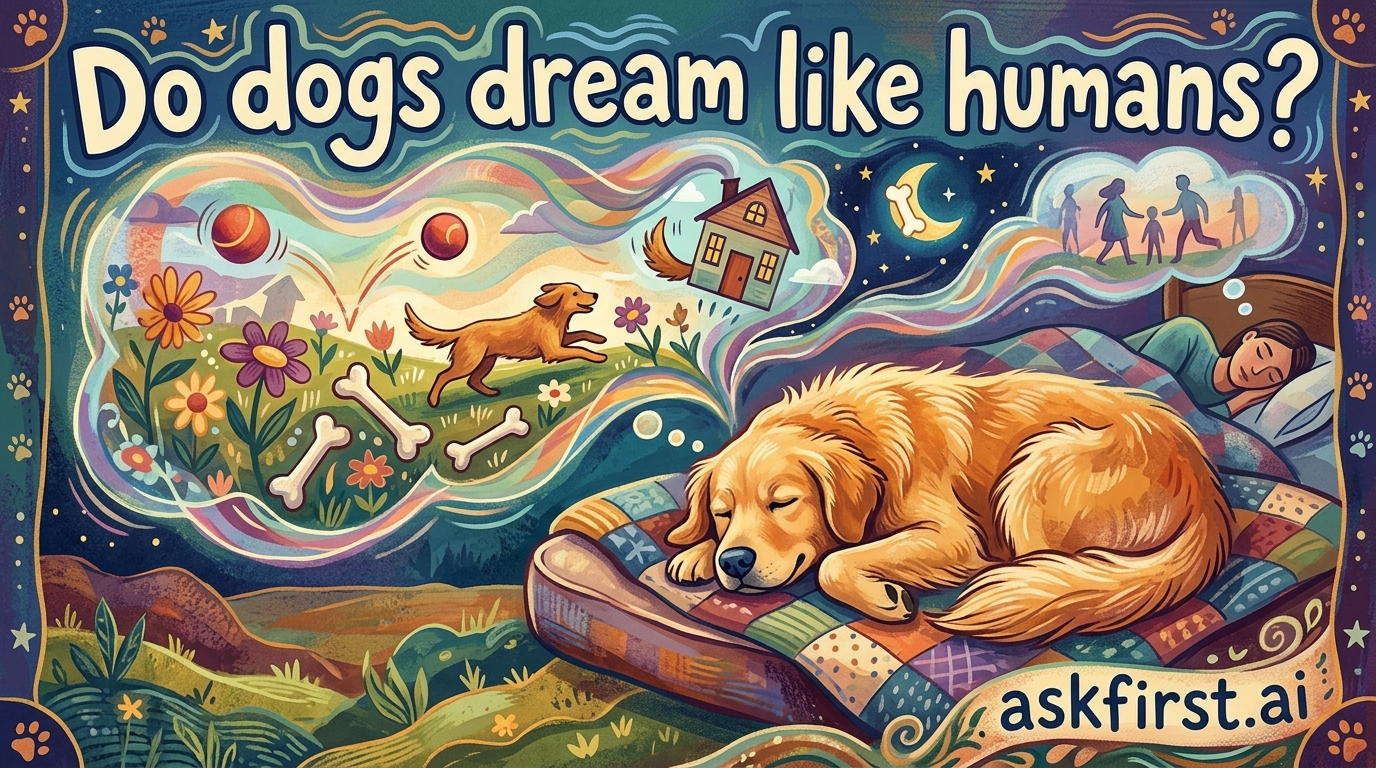
The question of whether dogs dream like humans has fascinated pet owners and neuroscientists for decades. While we cannot ask a dog to recount its dreams, extensive research into canine neurology and sleep architecture suggests that yes, dogs do dream, and their dreaming processes mirror those of humans in several key ways.
The Neurology of Canine Sleep
Dogs, much like humans, are polyphasic sleepers, but they follow a similar biological pattern during rest. Mammalian sleep is divided into two primary stages: Non-Rapid Eye Movement (NREM) and Rapid Eye Movement (REM).
- NREM Sleep: This is the initial "slow-wave" stage where the body relaxes, blood pressure drops, and brain activity slows down.
- REM Sleep: This is the stage where dreaming occurs. During REM, the brain becomes highly active, and the body experiences muscle paralysis to prevent the dreamer from acting out their dreams.
Studies using electroencephalograms (EEGs) have demonstrated that dog brain waves during sleep are strikingly similar to those of humans. When a dog enters the REM stage, their brain exhibits the same bursts of electrical activity associated with vivid dreaming in people.
Behavioral Indicators of Dreams
If you have ever watched your dog sleep, you have likely witnessed the physical manifestations of their dreams. Common indicators include:
- Twitching or "Running": Rapid, involuntary movements of the paws or legs suggest the dog is dreaming about chasing prey or running in a park.
- Vocalizations: Soft whimpering, muffled barks, or growls often occur during REM sleep, indicating an emotional response to a dream scenario.
- Rapid Eye Movement: Beneath the eyelids, a dog's eyes may dart back and forth, a hallmark of REM sleep in all mammals.
What Do Dogs Dream About?
While we cannot know the content of a dream, researchers posit that dogs dream about their daily experiences. Because dogs are deeply social and sensory-driven creatures, their dreams likely revolve around:
- Social Interactions: Playing with their owners or other dogs.
- Instinctual Activities: Chasing squirrels, sniffing trails, or exploring familiar territories.
- Emotional Processing: Consolidating memories of training sessions or stressful encounters.
Pros and Cons of Dreaming
Dreaming is not merely a recreational activity for the brain; it is essential for cognitive health.
- Pros: Dreaming helps with memory consolidation, emotional regulation, and learning. It allows the dog to "replay" information gathered throughout the day, reinforcing neural pathways.
- Cons: Occasionally, dogs may experience "nightmares." If a dog is growling or appears distressed, it is usually best to let them wake up naturally rather than startling them, as a confused dog might react with an accidental nip.
Future Trends and Research
Modern sleep studies are now utilizing advanced neuroimaging to map canine brain activity during sleep more precisely. By understanding canine sleep cycles, veterinarians are gaining better insights into canine epilepsy and cognitive dysfunction syndrome (CDS). As we continue to bridge the gap between human and canine neuroscience, we confirm that our pets share much more of our inner lives than previously imagined. They are not just our companions; they are sentient beings with a complex, vivid interior world.