The Symphony of Affection: Why Music Mirrors Falling in Love
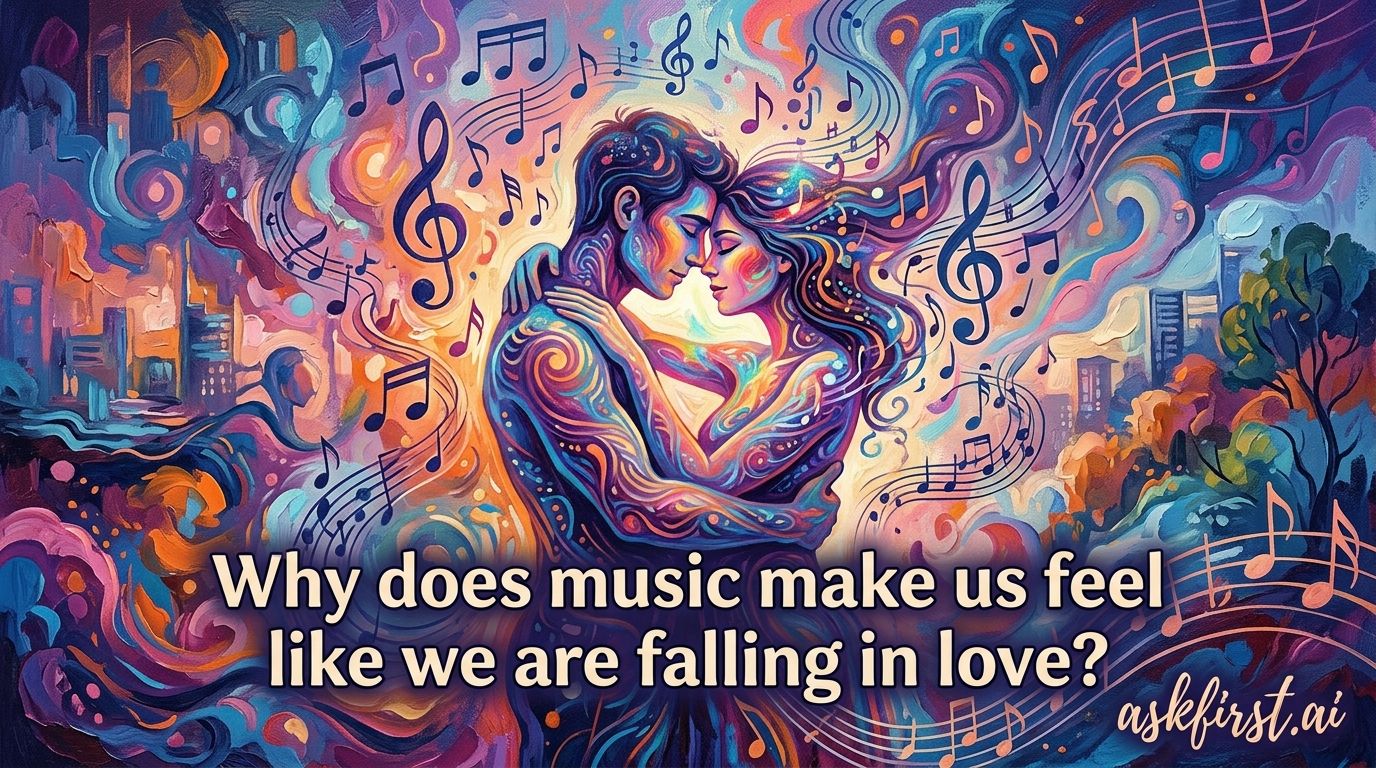
Music possesses a profound ability to manipulate human neurochemistry, often replicating the complex physiological and emotional states associated with romantic attraction. When listeners engage with a favorite melody, the brain initiates a cascade of neurochemical reactions that mirror the early stages of romantic love, creating a powerful sense of intimacy, euphoria, and connection.
The Neurochemical Connection
At the center of this experience lies dopamine, the neurotransmitter fundamentally linked to reward, motivation, and pleasure. Research published in journals like Nature Neuroscience suggests that the brain releases dopamine both during the anticipation of a musical peak and the climax itself. This process is nearly identical to the dopamine spikes observed when individuals experience the excitement of a new romantic interest. Music essentially hacks the reward system, making the listener feel a sense of exhilaration and longing that mimics the intensity of a crush.
Why We Feel 'Love' Through Sound
Beyond dopamine, music influences the release of oxytocin, often dubbed the 'bonding hormone.' This chemical is primarily responsible for the deep sense of attachment and social connection humans feel during intimate interactions. Listening to resonant, harmonious sounds can stimulate oxytocin production, which helps explain why music is often used to soothe social anxieties or build collective bonds during ceremonies. By triggering this release, music creates a synthetic environment of emotional safety and intimacy, tricking the brain into perceiving the presence of a companion.
The Psychology of Anticipation
Falling in love is frequently characterized by the 'tension and release' cycle, where the uncertainty of a new relationship creates a hunger for resolution. Music utilizes a similar structure through melodic progression. Expert musicologists identify that anticipation—waiting for a chord to resolve or a melody to reach its tonic center—creates a psychological tension that the brain craves. When the music resolves, the satisfaction felt is chemically similar to the relief of a long-awaited romantic interaction. This cyclical structure keeps the listener emotionally engaged, much like the push-and-pull dynamics of dating.
Emotional Resonance and Memory
The phenomenon is further reinforced by the brain’s tendency to encode musical memories in the hippocampus and amygdala. These structures process long-term memory and emotion. Because music is often tied to significant life events, the subconscious mind associates specific compositions with the sensations of warmth, affection, or vulnerability. Consequently, hearing a familiar song can pull the listener back into a state of 'emotional flashback,' inducing the heart-pacing excitement or the gentle melancholy often associated with romantic feelings. Through these intricate biological mechanisms, music serves as an auditory bridge, allowing humans to experience the profound physiological hallmarks of love, whether or not another person is actually present.