The Science of Eccentricity: Unlocking Genius Through Unconventional Habits
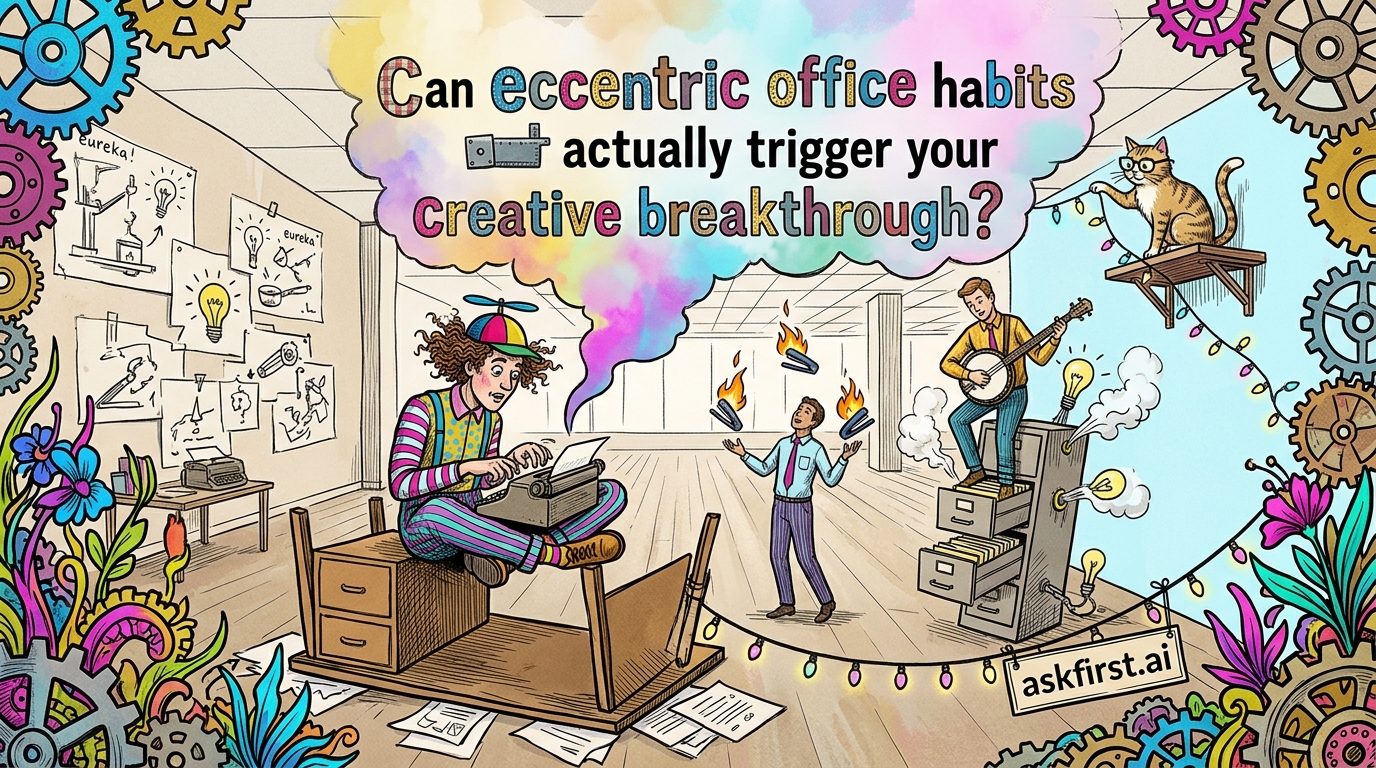
Creativity is often misunderstood as a lightning-strike moment of genius. However, research in cognitive psychology suggests that creative breakthroughs are frequently the result of specific environmental cues and unconventional behavioral rituals. When individuals break away from standard workplace norms, the brain is forced to exit 'autopilot' mode, activating the prefrontal cortex in ways that foster divergent thinking.
The Cognitive Basis for Unusual Rituals
The brain thrives on routine, but it also experiences 'habituation'—the process of ignoring repetitive stimuli. By introducing eccentric habits, such as pacing while brainstorming, using specific color-coded sticky notes, or working at non-traditional hours, the mind bypasses these cognitive blind spots. This phenomenon, known as 'cognitive disinhibition,' allows for the connection of unrelated concepts, a core component of innovation.
- The Pacing Effect: Research indicates that movement increases blood flow to the brain, enhancing neurogenesis and executive function. Walking around the office while considering a complex problem often yields solutions faster than remaining sedentary.
- Sensory Modification: Adjusting ambient lighting or listening to non-lyrical ambient soundscapes can signal the brain to shift into a 'deep work' state. These minor sensory changes act as psychological anchors, helping the mind associate specific conditions with intense creative output.
Historical Precedents of Eccentricity
History is replete with innovators who relied on idiosyncratic habits to fuel their work. Steve Jobs was famous for walking meetings to stimulate conversation, while Maya Angelou famously rented hotel rooms to write in, stripping away all personal items to prevent distraction. These were not just quirks; they were deliberate strategies to induce a state of 'flow.'
Implementing Your Own Creative Rituals
To replicate these breakthroughs, one must move beyond the standard cubicle culture:
- Redefine Your Environment: Shift your furniture orientation or introduce a specific tactile object to hold during brainstorming. The physical change alerts the brain to a shift in task priority.
- Embrace 'Low-Stakes' Chaos: Occasionally allow the workspace to become deliberately disorganized. Psychologists have found that messy environments can encourage risk-taking and the exploration of new possibilities, contrasting with the narrow focus often fostered by hyper-organized spaces.
- Temporal Displacement: Work during periods of natural alertness rather than adherence to a 9-to-5 schedule. Aligning intense cognitive tasks with one's biological chronotype significantly enhances the probability of a breakthrough.
Conclusion: The Rationality of Irrationality
While some may view eccentric habits as mere superstition, they serve a vital psychological purpose. By consciously curating an environment that challenges predictability, individuals provide the brain with the novel stimuli necessary to build new neural pathways. These habits are not just quirks; they are highly effective tools for personal and professional advancement.