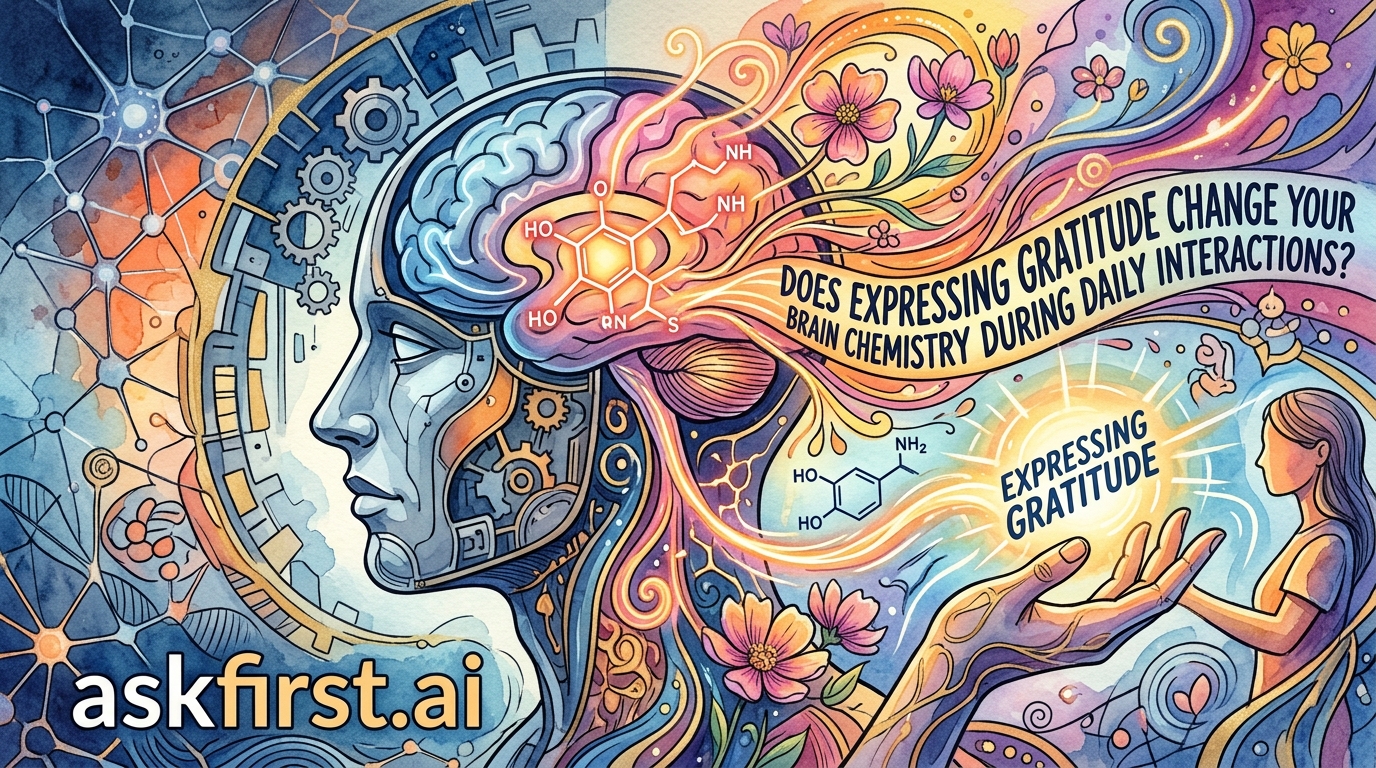
The Neuroscience of Gratitude: Rewiring Your Brain for Joy
Gratitude is far more than a social pleasantry or a polite behavior; it is a profound catalyst for neurological transformation. When individuals consciously practice gratitude, they initiate a cascade of neurochemical changes that fundamentally alter brain function, shifting the mental landscape from a state of survival-based stress to one of flourishing growth. This phenomenon is supported by substantial research in neuroscience and positive psychology.
The Neurochemical Cascade
At the core of this transformation lies the modulation of neurotransmitters. Engaging in gratitude prompts the brain to release dopamine and serotonin, the two primary chemical messengers responsible for emotional regulation and feelings of contentment. Dopamine serves as the brain's reward system, reinforcing positive behaviors and encouraging the repetition of joyful experiences. Simultaneously, serotonin acts as a natural mood stabilizer, helping to reduce anxiety and promote overall well-being. By focusing on what is going well, the brain effectively trains itself to seek out positivity in daily life, an effect often referred to as 'attentional bias.'
Structural Changes in the Brain
Research using functional Magnetic Resonance Imaging (fMRI) has revealed that consistent gratitude practice can actually lead to structural changes. Studies published in journals such as NeuroImage highlight increased activity in the medial prefrontal cortex—the area associated with moral cognition, social bonding, and value-based decision making. As individuals exercise gratitude, neural pathways linked to these areas become stronger and more efficient.
Key benefits include:
- Reduced Cortisol Levels: Regularly expressing appreciation can suppress the production of cortisol, the primary stress hormone, thereby calming the amygdala and lowering physiological arousal.
- Enhanced Emotional Regulation: By strengthening the prefrontal cortex, gratitude enables a better top-down regulation of emotions, making it easier to handle frustrating or stressful situations with a clear head.
- Neural Plasticity: The consistent reinforcement of appreciative thoughts creates new neural pathways, essentially 'rewiring' the brain's baseline disposition toward positivity rather than negativity.
The Ripple Effect of Daily Interactions
When these internal changes occur, they naturally manifest in daily interactions. A brain bathed in dopamine and serotonin is inherently more empathetic and patient. This biochemical state lowers defensiveness during interpersonal conflict, allowing for more authentic communication and stronger social bonds. Consequently, the act of expressing gratitude creates a positive feedback loop: as interactions improve, the brain receives further reinforcement, solidifying the neurochemical shifts. This practice acts as a bridge between internal cognitive health and external relationship quality, proving that small, intentional moments of thankfulness hold the power to permanently optimize brain architecture for sustained happiness and resilience.