The Rhythmic Pulse: How Music Dictates Your Biological Heartbeat
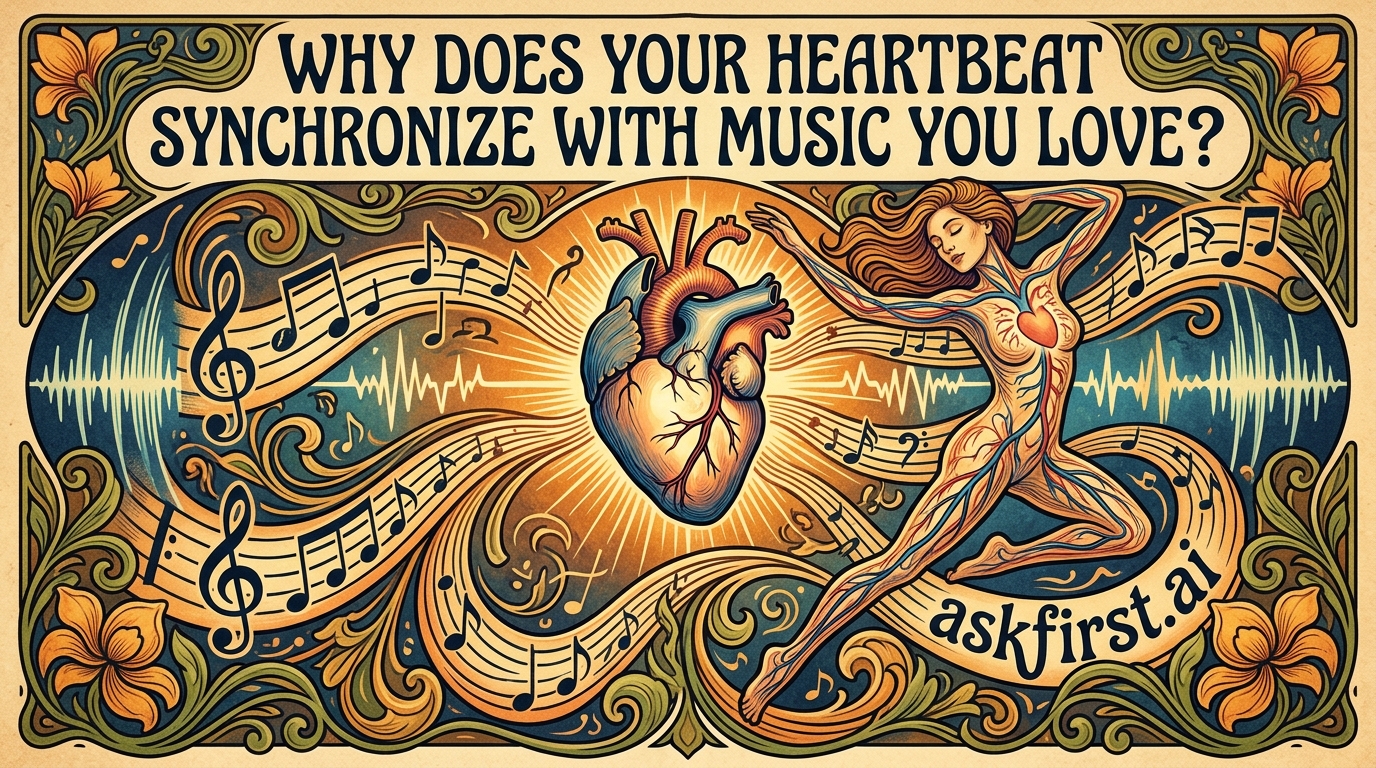
When a favorite melody begins to play, it is not merely the mind that reacts; the body undergoes a profound physiological shift. Research indicates that the human cardiovascular system possesses an innate tendency to entrain, or synchronize, with external rhythmic stimuli. This phenomenon, known as cardiovascular entrainment, explains why the heart often aligns its tempo with the beats per minute (BPM) of auditory input.
The Mechanisms of Biological Resonance
The synchronization process is governed by the autonomic nervous system, which bridges the gap between auditory processing in the brain and systemic physiological functions. As music enters the auditory cortex, the brain identifies recurring patterns and rhythmic structures. If the tempo aligns with or mirrors a resting heart rate, the body often attempts to match this frequency. This happens because the brain perceives the rhythm as a predictable stimulus, prompting the release of neurotransmitters like dopamine and serotonin, which modulate the heart's pace.
- Dopamine Release: Anticipatory beats trigger pleasure centers, causing a minor spike in sympathetic arousal.
- Autonomic Regulation: The parasympathetic nervous system works to regulate the heart based on the intensity of the sound waves.
- Vagal Tone: Rhythmic musical engagement can improve heart rate variability, which is a key marker of cardiovascular health.
Why Love for a Track Matters
Personal preference acts as a critical mediator in this process. When music is labeled as "loved" or "familiar," the emotional significance creates a stronger neural response. Studies conducted by the British Academy of Sound Therapy suggest that music which holds personal value lowers cortisol levels—the body's primary stress hormone—allowing for a more seamless transition into rhythmic synchronization. Unlike jarring or unfamiliar noises that induce a "fight-or-flight" spike in the heart rate, beloved music facilitates a calm state of coherence. This state of physiological harmony is often why specific tracks feel "relieving" or "grounding" during high-stress periods.
Scientific Implications
This synchronization is not just a parlor trick of the brain; it has tangible clinical applications. In rehabilitative medicine, rhythmic auditory stimulation is used to help patients with movement disorders or post-stroke recovery. By syncing a heartbeat to a steady, rhythmic beat, researchers have observed improved gait consistency and metabolic efficiency. Furthermore, the synchronization phenomenon highlights the deep evolutionary bond between humans and sound, suggesting that rhythmic patterns have been essential for communal bonding and social cohesion since ancient times. By adjusting to the music we love, our internal clock effectively dances in tandem with the art we consume, proving that the boundary between music and biology is far more permeable than previously imagined.