The Science of Cyanosis: Why Skin Turns Purple in Cold Weather
When the human body is exposed to extreme cold, the skin often takes on a bluish or purplish hue. This phenomenon, medically known as cyanosis, is a physiological response designed to prioritize the survival of vital internal organs over the warmth of the peripheral extremities.
The Physiological Mechanism: Vasoconstriction
The primary driver behind this color change is vasoconstriction. When cold receptors in the skin detect a drop in ambient temperature, the hypothalamus triggers the sympathetic nervous system to constrict the blood vessels located near the skin's surface.
- Heat Conservation: By narrowing these peripheral vessels, the body reduces the volume of warm blood flowing to the skin, where heat would otherwise be lost to the environment through radiation.
- Redirection: The blood is redirected toward the core of the body—the heart, lungs, and brain—to maintain a stable internal temperature (homeostasis).
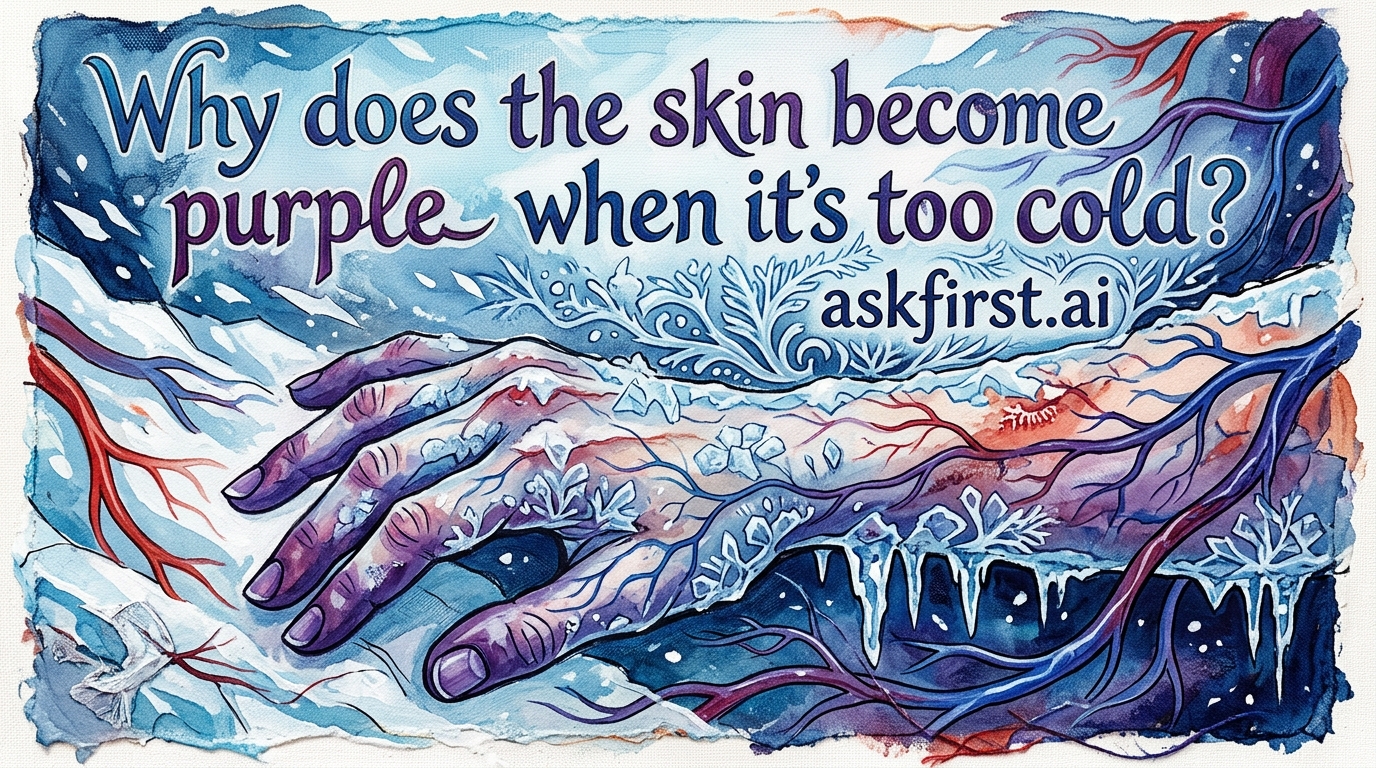
- Deoxygenation: As blood flow to the extremities (fingers, toes, nose, and ears) slows down, the hemoglobin in the red blood cells releases its oxygen to the surrounding tissues. Deoxygenated hemoglobin is darker, appearing deep red or purple, which reflects through the translucent layers of the skin as a blue or violet tint.
Factors Influencing Skin Discoloration
Not everyone reacts to cold in the same way. Several variables influence the severity of the discoloration:
- Skin Tone: Cyanosis is most visible in people with lighter skin. In individuals with darker skin tones, the discoloration may appear as a gray or ash-like tint, making it harder to detect visually.
- Circulatory Health: Individuals with conditions like Raynaud’s Disease experience exaggerated vasoconstriction, leading to extreme color changes—often moving from white (lack of blood) to blue (deoxygenation) and then bright red (reperfusion).
- Body Fat and Muscle: Subcutaneous fat acts as an insulator. Individuals with less body fat or muscle mass may experience faster heat loss and more rapid onset of cyanosis.
Practical Guide: When to Be Concerned
While mild purple skin is a normal biological response to cold, it can escalate into dangerous territory.
- Mild Cold Stress: If the skin is purple but remains warm to the touch and returns to a normal color upon rewarming, it is generally a standard protective response.
- Frostnip/Frostbite: If the skin becomes numb, waxy, or hard, you may be experiencing frostbite. Do not rub the skin. Instead, move to a warm environment and use lukewarm (not hot) water to gradually rewarm the area.
- Emergency Indicators: If the entire body feels cold, you experience shivering that stops, confusion, or slurred speech, seek medical attention immediately. These are signs of hypothermia.
Future Trends and Prevention
Modern research into thermoregulation focuses on smart textiles that adapt to temperature changes, potentially preventing extreme peripheral cooling before it occurs. For now, the most effective prevention remains the "layering" method: wearing moisture-wicking base layers, insulating mid-layers, and windproof outer shells to trap heat and prevent the rapid cooling that triggers peripheral cyanosis. By maintaining core warmth, the body is less likely to sacrifice the circulation of the extremities.