The Psychology of Fictional Loss: Why Imaginary Goodbyes Hurt
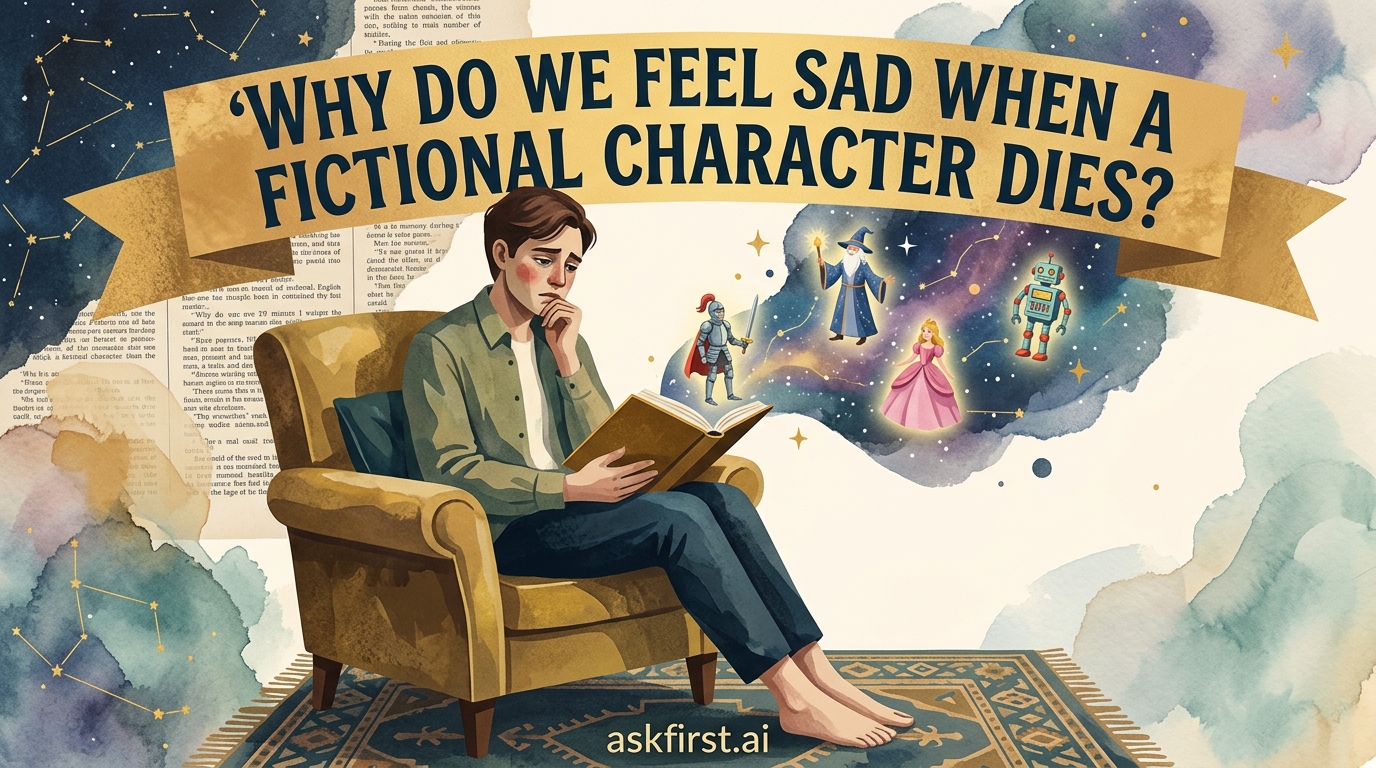
Humans possess a remarkable psychological capacity to bridge the gap between reality and imagination. While the brain logically understands that a character in a book or on screen is merely ink on paper or a sequence of pixels, the emotional centers of the brain often fail to distinguish between real social connections and those formed through narrative engagement.
The Mechanism of Parasocial Attachment
At the core of this phenomenon is the concept of parasocial interaction. When readers or viewers follow a narrative arc, they invest significant time and cognitive energy into observing the character’s growth, motivations, and moral struggles. This consistent exposure triggers the same social brain networks used to manage real-world relationships. Essentially, the mind builds a mental model of the character that functions much like a long-distance friendship, complete with expectations, affection, and investment.
Mirror Neurons and Empathy
Empathy plays a pivotal role in these experiences. Human beings are equipped with mirror neurons, which allow individuals to "simulate" the internal states of others. When a story depicts a character suffering or losing their place in the narrative, the audience’s brain engages in a process of emotional mirroring. Research into cognitive psychology suggests that when a character experiences a significant transition—such as their exit from a story—the brain processes this as a form of social loss. This is not merely pretend sadness; it is a genuine neurobiological reaction. The hypothalamus and limbic system, which govern emotional responses, release chemicals such as cortisol and oxytocin, mirroring the physiology of mourning a real-world acquaintance.
Why We Seek These Emotional Experiences
Despite the discomfort of "fictional grief," audiences actively seek out stories that elicit such powerful responses. This can be explained through several psychological frameworks:
- Safe Emotional Training: Fiction provides a controlled environment to practice empathy and resilience. By experiencing loss within the safe container of a story, individuals learn to process complex emotions without the immediate stakes of real-world catastrophe.
- The Narrative Transcendence: Stories offer a way to explore themes of mortality and existence that might be too heavy to contemplate directly in daily life. A character's departure often serves as a catalyst for the audience to reflect on their own values and legacies.
- Catharsis: As defined by Aristotle, the release of tension through emotional expression is highly satisfying. Watching a story conclude often allows for a therapeutic release of built-up tension, known as emotional catharsis.
Ultimately, the sorrow felt during a character's final arc is a testament to the sophistication of the human imagination. It reveals that the brain does not merely consume media; it participates in it, forging meaningful, albeit intangible, connections that enrich the human experience. Understanding this link underscores the profound power of storytelling to expand the heart, even when that heart is breaking for someone who never truly existed.