The Hunger of the Skin: Why Human Touch is a Biological Necessity
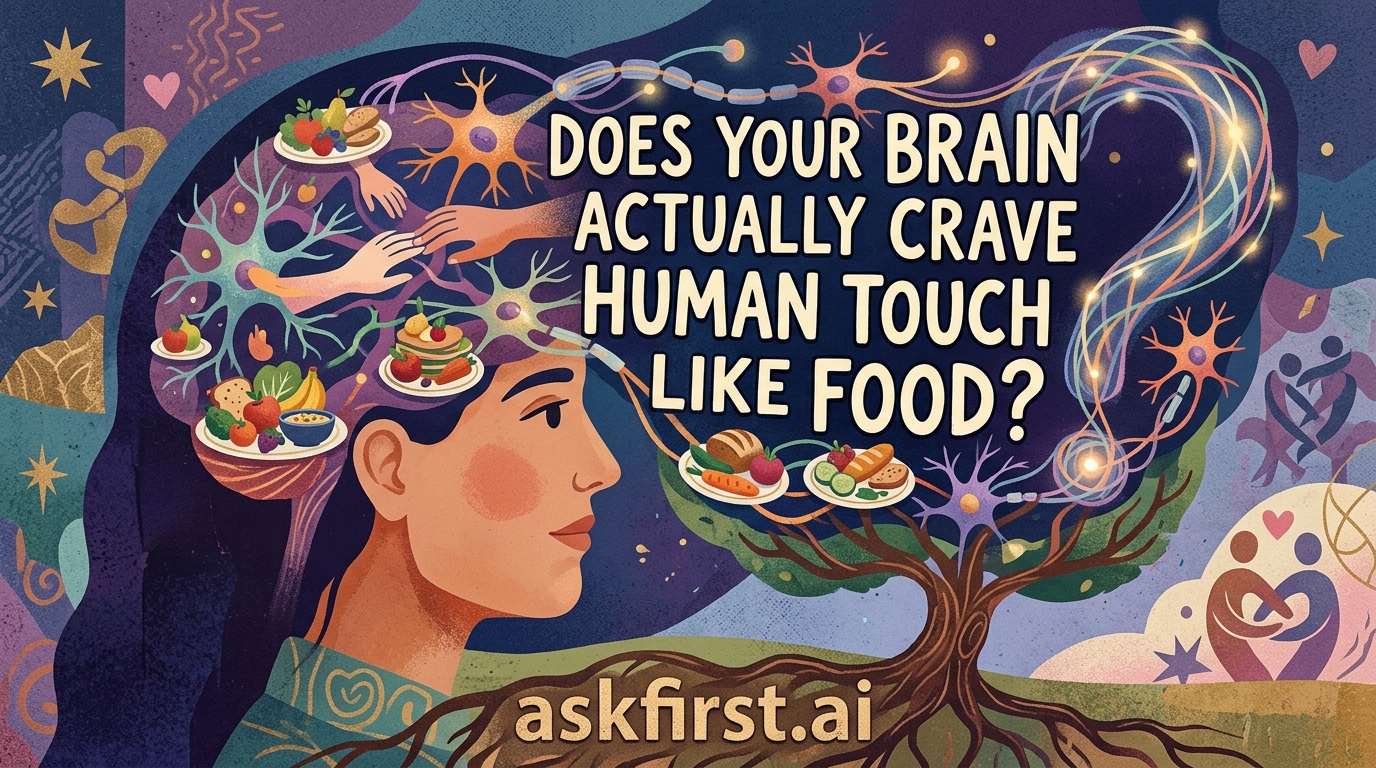
Recent advancements in neuroscience have unveiled a profound truth about the human experience: the brain processes the lack of physical touch in remarkably similar pathways to how it processes hunger. This phenomenon is often referred to as 'touch hunger' or 'skin hunger,' a physiological craving that suggests human contact is not merely a social luxury but a fundamental nutritional requirement for the brain.
The Neurobiology of Connection
When skin-to-skin contact occurs, the brain releases a cocktail of neurochemicals, most notably oxytocin, often dubbed the 'cuddle hormone.' This chemical plays a vital role in social bonding, stress reduction, and trust. Research, such as the seminal studies on touch deprivation in primates conducted by Harry Harlow in the 1950s, demonstrated that social isolation and lack of physical comfort led to severe developmental and psychological deficits. Even when provided with basic biological sustenance, organisms deprived of tactile comfort fail to thrive, indicating that touch is a core sensory input necessary for neural development.
The Brain's Hunger Circuitry
Modern imaging studies suggest that the somatosensory cortex—the area of the brain responsible for processing touch—remains hyper-sensitive when an individual is deprived of physical contact. When touch occurs, these areas fire in a way that provides a sense of regulation to the limbic system, which controls emotions. Without this input, the nervous system enters a state of hyper-arousal, leading to increased levels of cortisol, the body’s primary stress hormone. This mimics the body’s response to nutrient deficiency, where the brain continuously sends 'search' signals to maintain homeostasis.
Beyond Simple Comfort
Human touch acts as an external regulator for the human nervous system. Key physiological impacts include:
- Blood Pressure Regulation: Physical touch from a trusted person can lead to an immediate, measurable reduction in heart rate and blood pressure.
- Pain Modulation: The gate control theory of pain suggests that sensory input, such as a gentle touch, can inhibit pain signals from reaching the brain.
- Immune System Enhancement: Frequent, positive physical contact has been correlated with higher white blood cell counts, bolstering the body's ability to resist infection.
Conclusion: The Biological Mandate
Viewing touch as a 'nutrient' changes the perspective on mental health and societal wellness. Just as the brain demands glucose for fuel, it demands interpersonal contact for stability. Understanding this biological drive underscores the importance of intentional connection in daily life. Whether through handshakes, hugs, or simple proximity, the human brain is hard-wired to perceive touch as an essential signal of safety and belonging. Far from being a soft, emotional preference, human touch is an anchor for psychological and biological survival, ensuring that the brain operates at its optimal capacity.