The Hidden Puppet Master: How Your Gut Microbiome Shapes Your Decisions
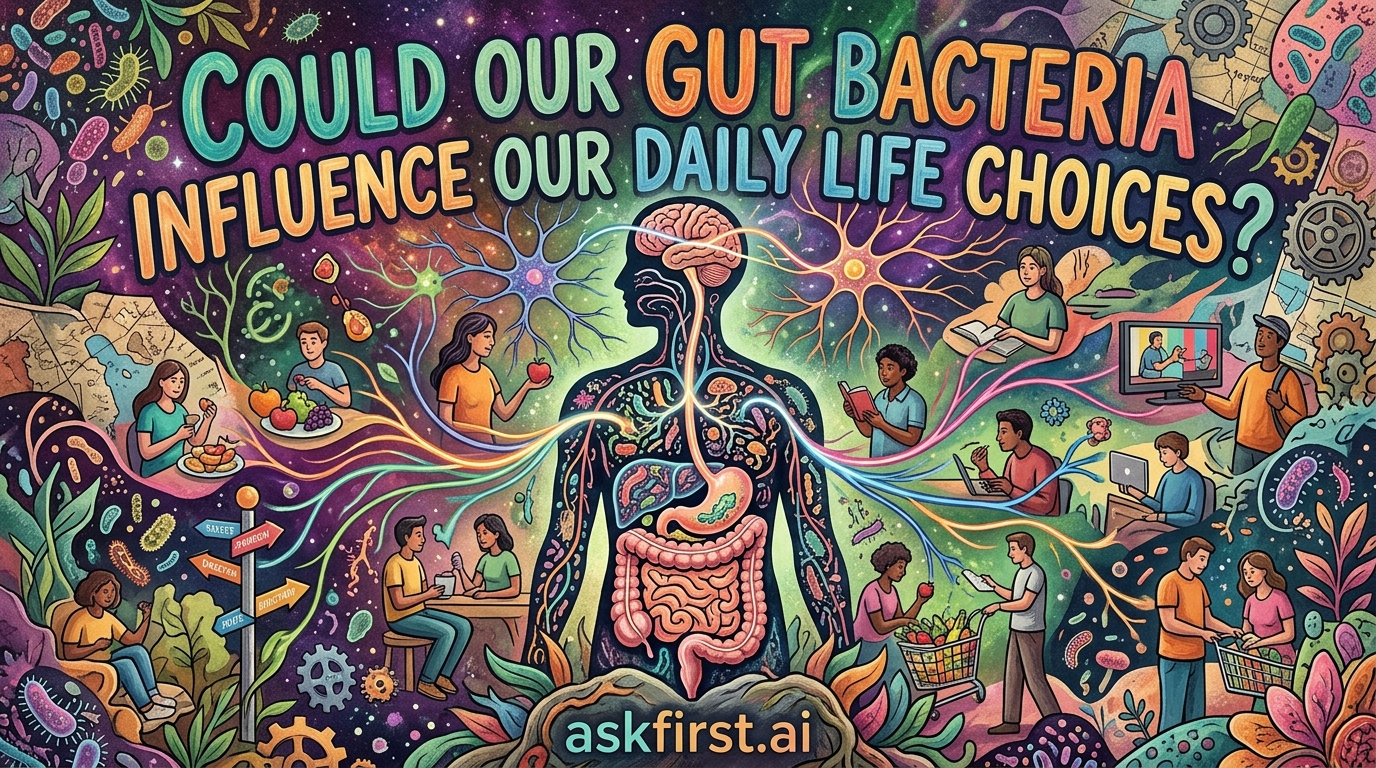
Recent scientific breakthroughs have fundamentally altered the understanding of human agency, revealing that the trillions of microbes living within the digestive tract, known as the gut microbiome, play a surprisingly active role in shaping behaviors and decision-making processes. This internal ecosystem functions less like a passive passenger and more like a sophisticated biochemical control center, communicating constantly with the brain via the gut-brain axis.
The Biochemical Bridge
The gut-brain axis is a bidirectional communication network involving the nervous system, the endocrine system, and the immune system. Bacteria produce a variety of neuroactive compounds, including neurotransmitters like serotonin, dopamine, and gamma-aminobutyric acid (GABA). In fact, approximately 90% of the body's serotonin—a chemical messenger critical for mood regulation and social behavior—is synthesized in the gut. When the microbial composition shifts, these chemical signals change, potentially altering cravings, stress responses, and even risk-taking behavior.
Influencing Everyday Choices
Research suggests that gut bacteria may influence food choices through "nutritional manipulation." By producing specific proteins that alter the host's taste receptors or mood, microbes can encourage the consumption of nutrients they need to thrive. For instance, certain strains of bacteria proliferate when fed high-sugar diets, subsequently sending signals to the brain that increase sugar cravings. By satisfying these cravings, the host creates an environment optimized for that specific microbe's survival.
Beyond food, these microbes influence social decision-making. Studies in animal models have demonstrated that mice depleted of specific gut bacteria exhibit altered social behaviors, showing reduced preference for social interaction. While direct human behavior is vastly more complex due to cultural and cognitive factors, the biological foundation provided by the microbiome suggests that the predisposition toward specific social engagements or even impulsive reactions might be tethered to microbial signaling.
Cultivating a Healthy Cognitive Environment
The ability to influence choices is not necessarily a loss of free will, but rather an additional layer of biological influence that humans can actively manage. Through intentional lifestyle choices, individuals can modulate their microbial composition. Key strategies include:
- Fiber Diversity: Consuming a wide array of plant-based foods feeds diverse microbial populations, promoting a more balanced ecosystem.
- Probiotic Integration: Introducing beneficial live bacteria through fermented foods like kimchi, kefir, and yogurt can bolster gut health.
- Stress Management: High stress levels alter gut permeability, which can allow microbial toxins to affect systemic health, reinforcing the importance of mental wellness in maintaining a healthy microbiome.
While the science is still evolving, the evidence confirms that the gut is far from a silent bystander. By understanding that microbial health informs moods and cravings, individuals gain the power to make more conscious, informed decisions, effectively reclaiming agency over their own biology.