The Biological Cascade: What Happens When You Crave Sugar
When you experience an intense craving for sugar, your body is engaging in a complex neurobiological dance involving hormones, neurotransmitters, and evolutionary survival mechanisms. Understanding this process requires looking at the brain’s reward system and the physiological fluctuations that trigger the "need" for glucose.
The Neurobiology of Cravings
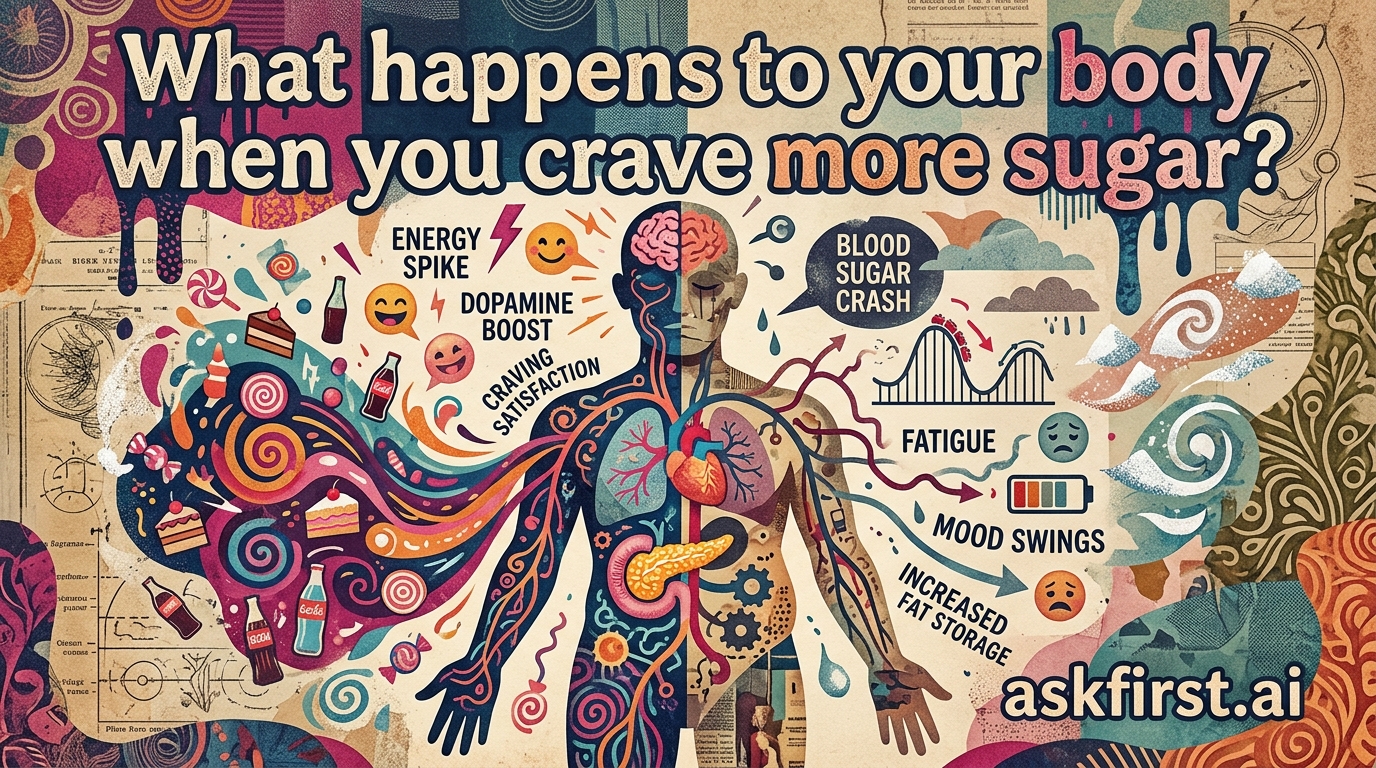
At the core of a sugar craving is the mesolimbic dopamine system. When you consume sugar, your brain releases dopamine, a neurotransmitter associated with pleasure and reward. Over time, the brain can build a tolerance to this stimulation, similar to substance addiction. When blood glucose levels dip, the brain signals a "reward deficit," prompting the hypothalamus to trigger cravings to restore dopamine levels.
The Blood Glucose Rollercoaster
The most common physical trigger is hypoglycemia or a rapid drop in blood sugar.
- Insulin Spikes: When you eat refined carbohydrates, your pancreas releases insulin to manage the influx of glucose.
- The Crash: If the insulin response is too aggressive, your blood sugar drops rapidly (reactive hypoglycemia).
- The Emergency Signal: The body perceives this sudden drop as a threat, triggering the release of cortisol and adrenaline to mobilize stored energy, which manifests as an urgent, physical craving for quick-acting fuel.
Physiological Consequences of Chronic Cravings
Consistently giving in to sugar cravings leads to a systemic cycle that impacts long-term health:
- Insulin Resistance: Constant spikes force the pancreas to work overtime. Eventually, cells become less responsive to insulin, leading to chronically high blood sugar and potential Type 2 diabetes.
- Inflammation: High sugar intake is linked to systemic inflammation, which can exacerbate joint pain, skin conditions, and cardiovascular stress.
- Microbiome Alteration: Sugar feeds specific strains of bacteria and yeast (like Candida) in the gut. These microorganisms can actually manipulate the host’s cravings by sending signals via the vagus nerve to the brain, demanding more sugar to fuel their own proliferation.
Practical Guide: Managing the Craving
If you are caught in a cycle of cravings, you can break it through strategic physiological adjustments:
- Prioritize Protein and Healthy Fats: These macronutrients slow down glucose absorption, preventing the "crash" that triggers cravings.
- Hydration: Often, the brain misinterprets mild dehydration as hunger or a need for glucose. Drink a large glass of water before reaching for a sweet snack.
- Magnesium Supplementation: Cravings for chocolate often indicate a magnesium deficiency. Incorporating nuts, seeds, or leafy greens can satisfy the body’s nutritional need without the sugar spike.
- Sleep Hygiene: Lack of sleep increases ghrelin (the hunger hormone) and decreases leptin (the fullness hormone), making you biologically primed to seek high-calorie, sugary foods.
Future Trends and Research
Emerging research suggests that GLP-1 receptor agonists—medications originally designed for diabetes—are showing efficacy in dampening the reward signals associated with food cravings. Furthermore, personalized nutrition, based on an individual's unique glucose response and microbiome profile, is the future of managing metabolic health. By understanding that a craving is not a "lack of willpower" but a biological response to metabolic instability, you can move from reactive consumption to proactive health management.