The Biology of Sweet Relief: Why Stress Triggers Sugar Cravings
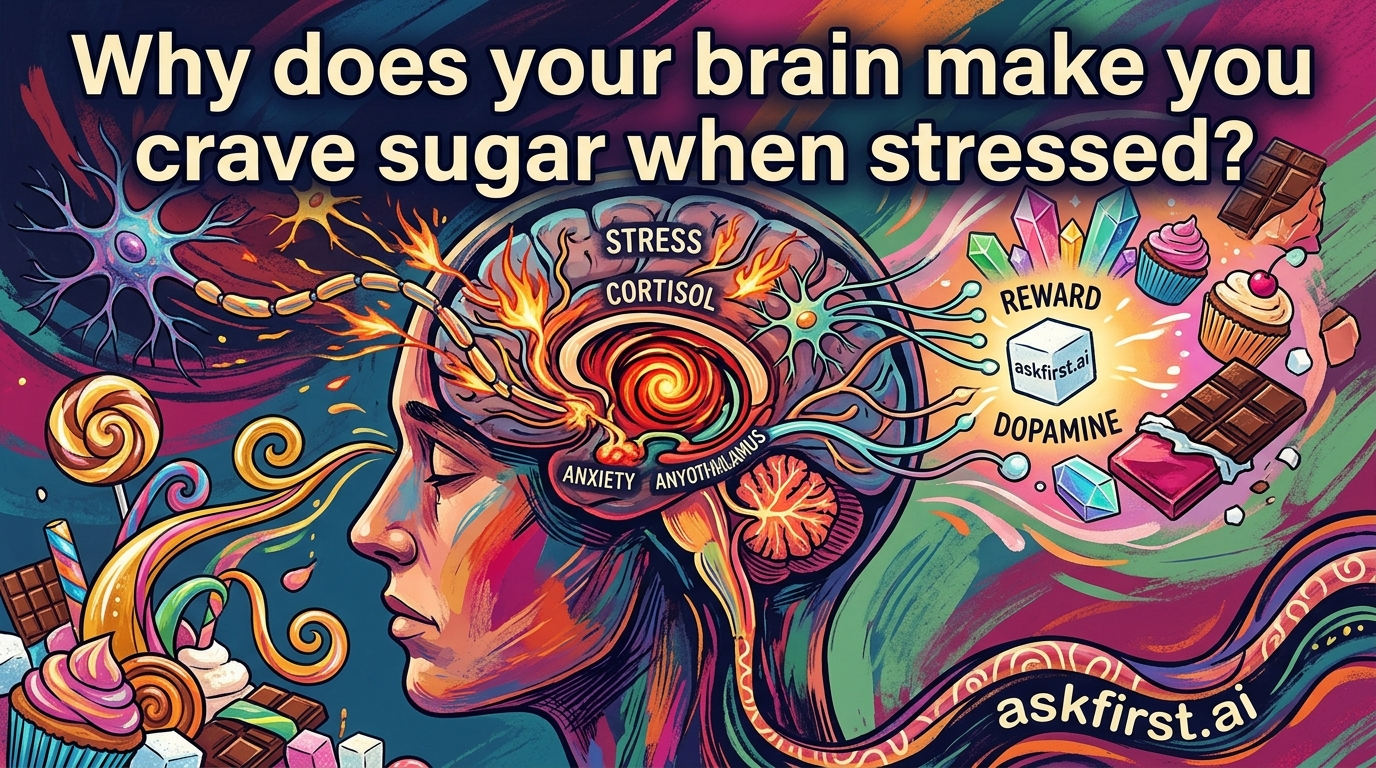
When stress strikes, the human body initiates the 'fight or flight' response, a biological mechanism designed to preserve life. This primitive reaction, orchestrated by the hypothalamic-pituitary-adrenal (HPA) axis, floods the bloodstream with cortisol. While this was historically useful for escaping physical predators, modern life often results in chronic, low-grade stress. This prolonged exposure to cortisol is a primary driver behind why the brain demands quick-energy sources like sugar.
The Cortisol-Glucose Connection
Cortisol is a catabolic hormone. Its job is to ensure the body has enough fuel to respond to emergencies by increasing glucose levels in the blood. When stress levels remain chronically elevated, the body perceives an urgent need for replenishment. The brain, which consumes roughly 20% of the body’s glucose, identifies refined sugar as the fastest delivery system to counteract this energy depletion. Scientific studies published in journals such as Cell Metabolism indicate that cortisol not only triggers hunger but specifically increases the palatability of high-calorie, high-sugar foods by modulating the brain's reward centers.
Hijacking the Reward System
Sugar consumption triggers a rapid release of dopamine in the nucleus accumbens, the brain’s pleasure and reward center. When an individual is stressed, the brain seeks an immediate emotional buffer. Sugary foods act as a chemical pacifier, providing a temporary sense of relief and calm. This creates a psychological feedback loop: the brain learns that sugar alleviates the discomfort of the stress response, cementing the association between emotional tension and sweet indulgence. Over time, this conditioning makes the brain 'demand' sugar as a default coping mechanism.
Evolutionary Misalignment
From an evolutionary standpoint, the drive for calorie-dense foods was a survival advantage. Ancestral humans who prioritized high-energy foods had a higher likelihood of surviving periods of famine. In the modern world, where high-fructose corn syrup and processed snacks are ubiquitous, this ancient mechanism is maladaptive. The brain still functions as if it needs to store fat for the next winter, but it is trapped in an environment of constant accessibility. This creates a physiological conflict where the brain is constantly incentivizing the consumption of simple carbohydrates even in the absence of genuine physical hunger.
Breaking the Cycle
Understanding that this is a hardwired physiological response rather than a lack of willpower is the first step toward behavioral change. To manage stress-induced cravings, experts suggest:
- Prioritizing Complex Carbohydrates: Foods like oats and legumes provide a steady release of energy without the dramatic insulin spikes associated with sugar.
- Increasing Protein Intake: Protein helps stabilize blood sugar levels and increases satiety, reducing the physiological urge to reach for snacks.
- Mindful Stress Reduction: Techniques such as deep-breathing exercises or physical activity can provide the same dopaminergic reward as sugar, without the negative metabolic consequences.
By identifying the biological signals, individuals can replace unhealthy sugar loops with sustainable habits that support mental and physical health long-term.