The Symphony of Romance: Why Music Mimics Falling in Love
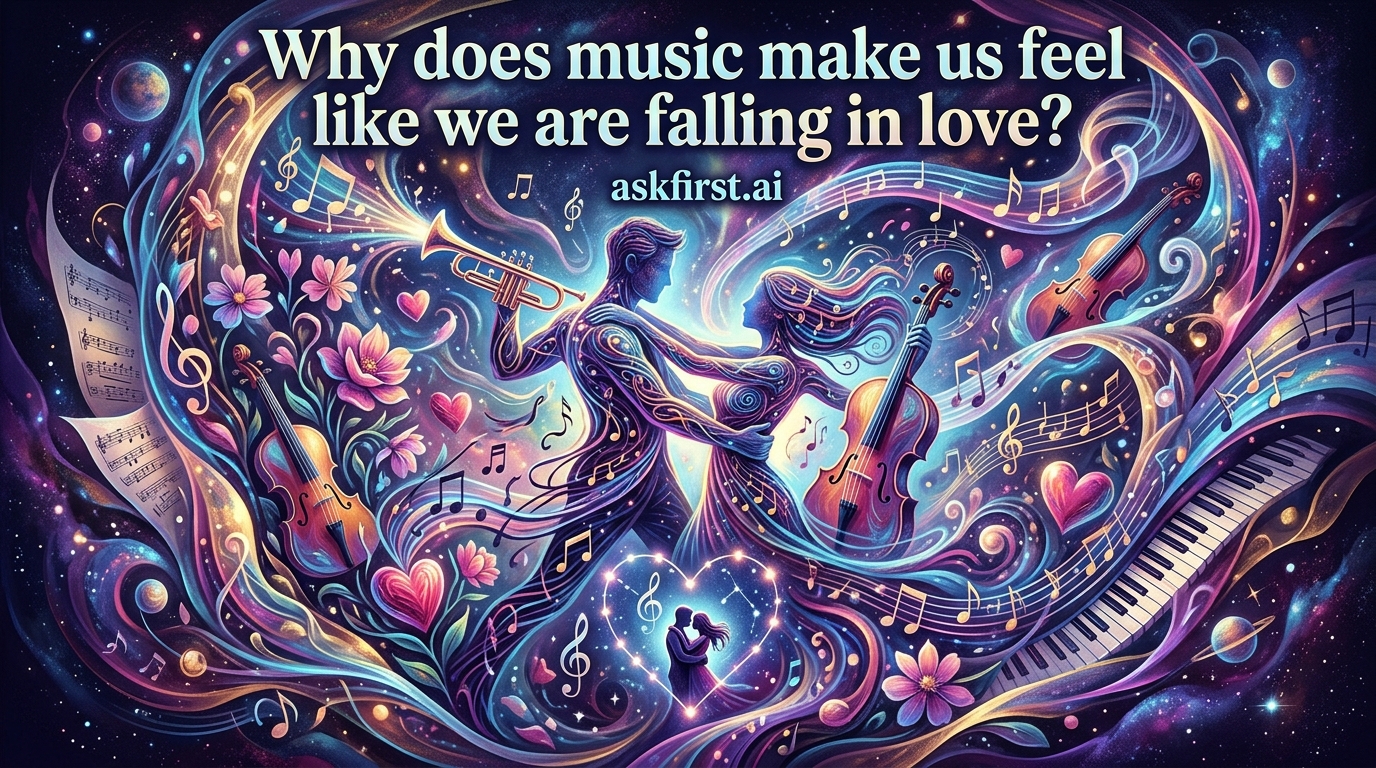
Music has an uncanny ability to bypass rational thought and strike directly at the emotional core of the human brain. The physiological and psychological sensations elicited by a profound piece of music—racing heart, heightened sensitivity, and a sense of euphoria—are nearly identical to the biological markers of falling in love. This fascinating phenomenon occurs because music engages the same neurochemical reward systems that dictate human attachment and romantic attraction.
The Neurochemistry of Connection
When listeners engage with music that they perceive as beautiful, the brain triggers a significant release of dopamine. This neurotransmitter is the same chemical involved in the reward and motivation circuits that drive romantic passion. According to research by Dr. Valorie Salimpoor at McGill University, the brain experiences 'anticipatory' dopamine release during the buildup of a song, mirroring the nervous, excited anticipation of waiting for a romantic partner.
Furthermore, the release of oxytocin, often referred to as the 'cuddle hormone,' is frequently observed during synchronized listening experiences or emotional musical peaks. This hormone fosters feelings of trust and intimacy, bridging the gap between an abstract melody and the grounded feeling of falling for another person.
Psychological Mirrors and Emotional Entrainment
Beyond neurochemistry, music operates through several psychological mechanisms:
- Entrainment: The biological tendency for the human heart rate to synchronize with the rhythm and tempo of a musical piece. As the music accelerates, the body undergoes a sympathetic physical reaction similar to the excitement of a crush.
- Emotional Contagion: Human beings are naturally empathetic creatures. When music conveys a yearning or tender melody, the brain mirrors that emotional state, allowing the listener to 'feel' the sentiment as if it were their own romantic experience.
- The Narrative Arc: Music often follows a structure of tension and resolution—a cadence that mimics the emotional pursuit of a relationship, involving longing, climax, and satisfying resolution.
The Memory Anchor
Music possesses a unique ability to act as an emotional anchor. Because the auditory cortex is deeply interconnected with the hippocampus and the amygdala—the brain centers responsible for memory and emotion—songs become tethered to personal life events. When a specific track reminds an individual of a significant moment, the brain essentially replays the emotional valence of that memory. If that memory involved affection or longing, listening to the music reconstructs that physiological state of 'being in love' almost instantaneously.
Ultimately, the sensation of falling in love is a complex combination of excitement, vulnerability, and reward. By stimulating these exact pathways, music serves as a proxy for romance, allowing listeners to access the highest peaks of human emotion through the simple power of sound and rhythm.