The Eternal Nectar: Why Honey Defies the Laws of Decay
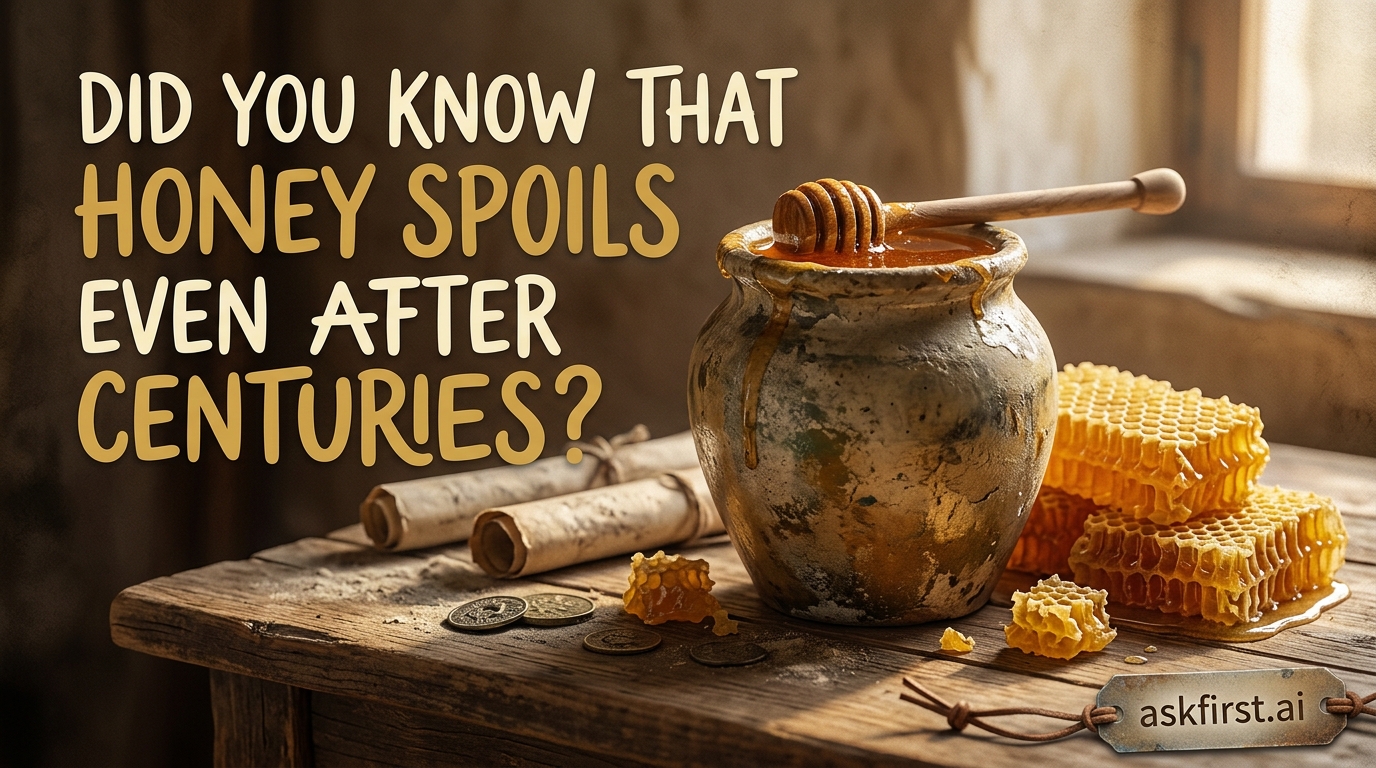
It is one of the most astonishing facts in the natural world: archaeologists excavating ancient Egyptian tombs have discovered pots of honey that are thousands of years old and remain perfectly edible. While most food products succumb to the inevitable march of decay, honey possesses a unique chemical composition that effectively halts the process of spoilage, rendering it a near-eternal substance. This phenomenon is not magic; it is the result of a precise, evolutionary synergy between bee biology and plant chemistry.
The Triple Defense Mechanism
Honey survives through a combination of three distinct factors that create a hostile environment for bacteria and microorganisms:
- Low Water Content: Honey is hygroscopic, meaning it is very low in water and high in sugar. Microorganisms need moisture to thrive; the osmotic pressure within honey draws water out of bacterial cells, effectively dehydrating and destroying them before they can colonize.
- Acidity: Honey is naturally acidic, with a pH typically ranging between 3.2 and 4.5. This level of acidity is sufficient to inhibit the growth of most bacteria and fungi that typically cause food to rot.
- Hydrogen Peroxide: Perhaps the most fascinating factor is the presence of hydrogen peroxide. When bees produce honey, they secrete an enzyme called glucose oxidase. When mixed with the nectar, this enzyme breaks down into gluconic acid and hydrogen peroxide. The hydrogen peroxide serves as a powerful antibacterial barrier, guarding the honey against spoilage.
Crystallization: A Sign of Purity, Not Spoilage
Many consumers mistakenly believe that if honey turns cloudy or grainy, it has gone bad. In reality, this process is known as crystallization. It occurs because honey is a supersaturated solution of two main sugars: glucose and fructose. Over time, the glucose molecules bond together and form crystals. This is a completely natural, physical transition that does not impact the safety or quality of the product. If honey crystallizes, it can easily be returned to a liquid state by placing the jar in a warm water bath.
The Storage Factor
While honey is technically immortal, its longevity depends heavily on proper storage. Because honey is hygroscopic, it will absorb moisture from the air if left uncovered. If the water content rises above 18 percent, the honey may begin to ferment due to the activity of yeasts. Therefore, to ensure that honey remains in its prime state for years, it must be stored in a tightly sealed container in a cool, dry place. When handled correctly, the chemical stability of honey allows it to transcend time, serving as a rare example of a natural food that truly defies the standard shelf-life expectations applied to most perishable goods.