The Biological Blueprint: Can Your Personality Predict Longevity?
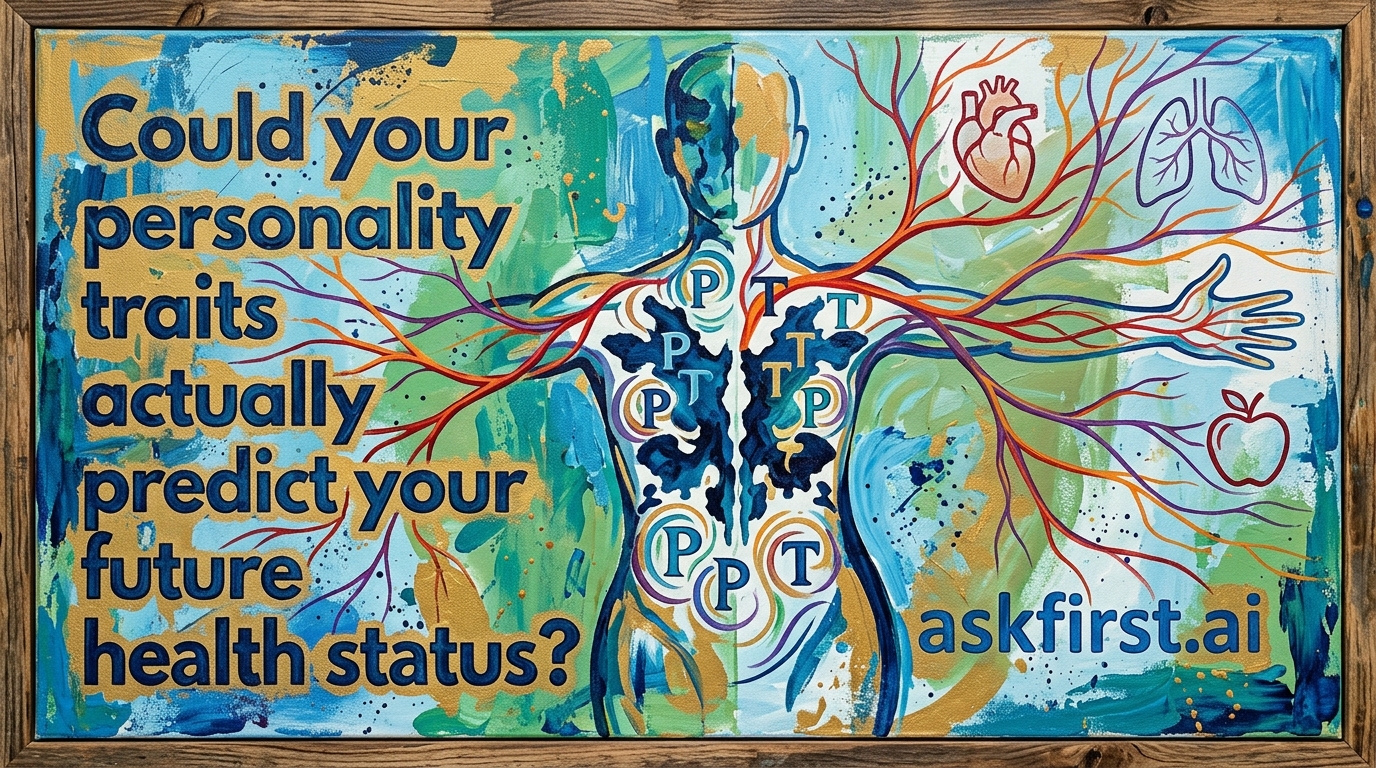
Scientific research has increasingly demonstrated that personality traits serve as significant markers for long-term health outcomes. Far from being mere abstract behavioral tendencies, psychological patterns are deeply intertwined with physiological regulation, immune response, and lifestyle choices. By understanding the "Big Five" personality traits—Openness, Conscientiousness, Extraversion, Agreeableness, and Neuroticism—researchers can identify potential health trajectories decades in advance.
The Power of Conscientiousness
Conscientiousness is arguably the most potent predictor of physical health among the personality traits. High-conscientiousness individuals tend to be organized, disciplined, and goal-oriented. These traits translate directly into positive health behaviors: consistent medication adherence, balanced nutrition, and regular exercise. Studies published in journals like Psychological Science suggest that people scoring high in conscientiousness exhibit lower levels of systemic inflammation and better cardiovascular profiles. They are structurally more likely to prioritize preventative care, thereby avoiding the onset of chronic lifestyle-related ailments.
The Impact of Neuroticism and Emotional Stability
Conversely, high levels of neuroticism—characterized by a tendency toward anxiety, mood instability, and negative emotional reactivity—are often linked to poorer health outcomes. Prolonged exposure to psychological stress triggers the HPA (hypothalamic-pituitary-adrenal) axis, leading to chronic elevation of cortisol. While essential for short-term survival, sustained cortisol output can suppress immune function and contribute to hypertension and metabolic dysregulation. However, emotional stability serves as a protective buffer, allowing individuals to navigate stress without the same physiological wear and tear, often referred to as "allostatic load."
Social Connection and Extraversion
Extraversion is frequently associated with robust social support networks, which are crucial for physical health. Individuals with higher extraversion scores often maintain larger, more active social circles, which provide buffering against stress and isolation. Research indicates that strong social integration is as significant for longevity as physical fitness. These individuals benefit from positive reinforcement from peers and increased engagement in diverse activities, which promotes cognitive vitality as one ages.
The Role of Openness and Agreeableness
Openness to experience is linked to intellectual curiosity and engagement with the world, traits that are often correlated with superior cognitive reserve. Agreeableness, while sometimes less directly tied to physical parameters, fosters high-quality interpersonal relationships, which contribute to a lowered heart rate and improved stress recovery. Both traits influence how an individual interacts with their environment, which in turn influences their environmental stressors and overall well-being.
Conclusion: Mind and Body Integration
While personality is not a deterministic "death sentence" or a guaranteed path to eternal health, it acts as a compass for one's physical trajectory. Recognizing these inherent tendencies allows for targeted behavioral adjustments. By fostering habits associated with high conscientiousness, such as better planning, or managing the triggers of neuroticism through mindfulness, individuals can actively shape their future health outcomes. Personality is an evolving asset, and conscious development of these traits can lead to significantly enhanced longevity.