The Future of Medicine: Bio-Printing Custom Organs
The landscape of modern medicine is shifting rapidly as researchers move from traditional transplantation methods to the revolutionary field of bioprinting. While fully functional, complex human organs like hearts or livers are not yet ready for mass clinical implementation, the technology is advancing at an unprecedented pace.
The Mechanism of Bio-printing
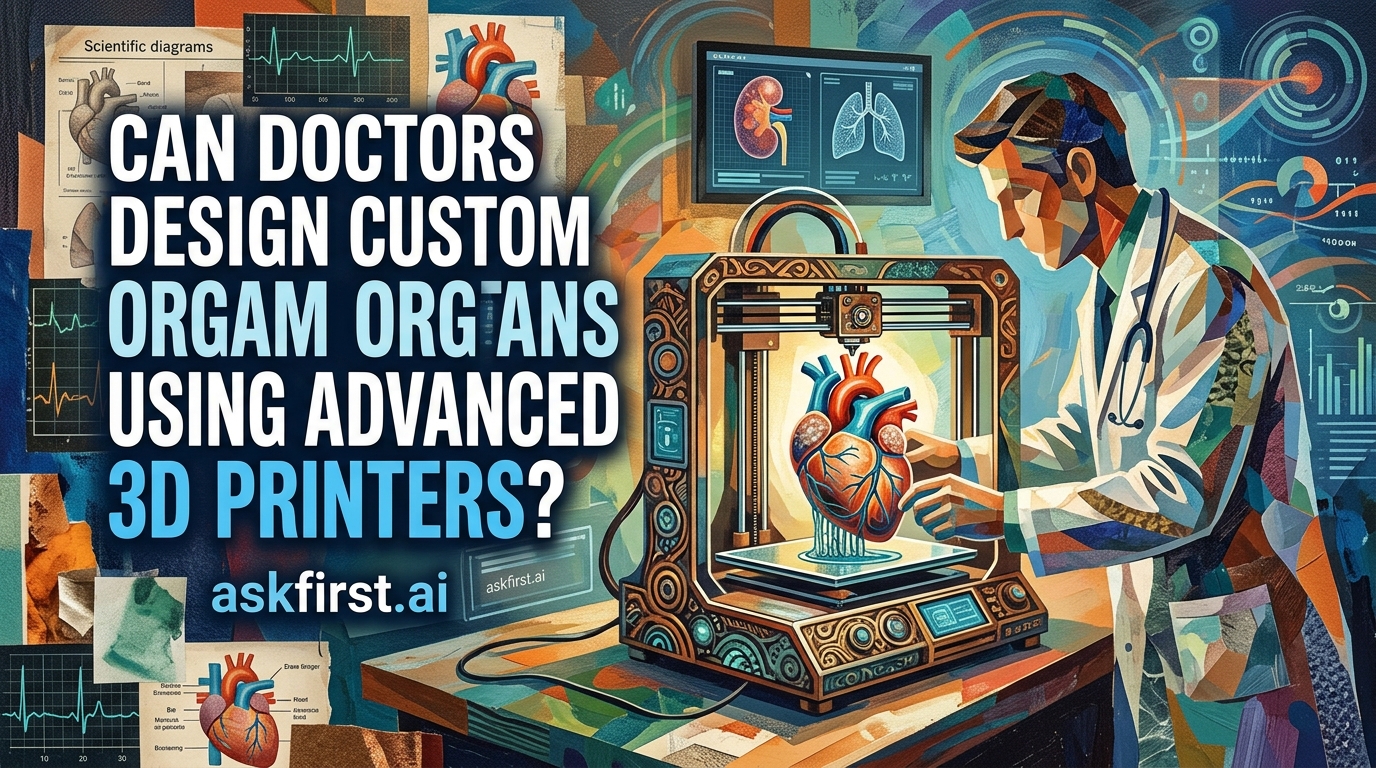
Bioprinting utilizes a technology similar to standard 3D printing but replaces plastic or metal filaments with bio-inks. These bio-inks are composed of living cells, growth factors, and biocompatible scaffolds that mimic the extracellular matrix of human tissues.
- Cell Harvesting: Scientists extract specific patient cells, such as stem cells or specialized tissue cells, which prevents immune system rejection.
- Layering Process: The printer deposits these bio-inks layer-by-layer to build a three-dimensional architecture that mirrors the natural anatomy of the patient.
- Maturation: Post-printing, the structure is placed in a bioreactor, which provides the necessary chemical and physical signals to encourage the cells to mature into functional, vascularized tissue.
Current Capabilities and Success Stories
Significant breakthroughs have already occurred in the fabrication of smaller, less complex tissues. Surgeons are currently utilizing 3D-printed scaffolds to reconstruct bone defects and cartilage. For example, 3D-printed titanium structures are often combined with a patient’s own bone marrow cells to accelerate healing in complex facial reconstructive surgeries. Researchers have also successfully printed simple vascular networks that mimic blood vessel pathways, which are essential for keeping thick tissues alive.
Overcoming the Vascularization Challenge
One of the most significant obstacles in creating solid organs is vascularization. Without a dense network of micro-vessels to transport oxygen and nutrients, the center of a printed organ would undergo necrosis. However, innovation in sacrificial hydrogels now allows researchers to print complex, branching channel systems that can be dissolved to leave behind open vessels. This allows oxygen and nutrients to diffuse throughout the entire organ structure effectively.
Future Implications
The ultimate goal of this technology is to eliminate the global shortage of donor organs. By designing custom organs using a patient’s own biological material, the need for life-long immunosuppressive drugs could vanish. While regulatory approval and long-term safety studies remain necessary, the transition from simple tissues to complex, life-saving organs is a logical evolution of science. This technology promises a future where the body can potentially repair itself using its own genetic blueprints, marking a historic turning point in human health and longevity. As computing power and material science continue to converge, the dream of on-demand organ manufacturing becomes increasingly tangible for future generations.