The Chromatic Pulse: How Your Room Color Impacts Biology
Color psychology is not merely an aesthetic preference; it is a physiological interaction between environmental stimuli and the human nervous system. Research suggests that specific spectral wavelengths influence the autonomic nervous system, which governs heart rate and vascular tension. While color perception is subjective, universal patterns in how the brain processes hue, saturation, and brightness provide a fascinating glimpse into how home decor affects internal health metrics.
The Calming Effect of Cool Hues
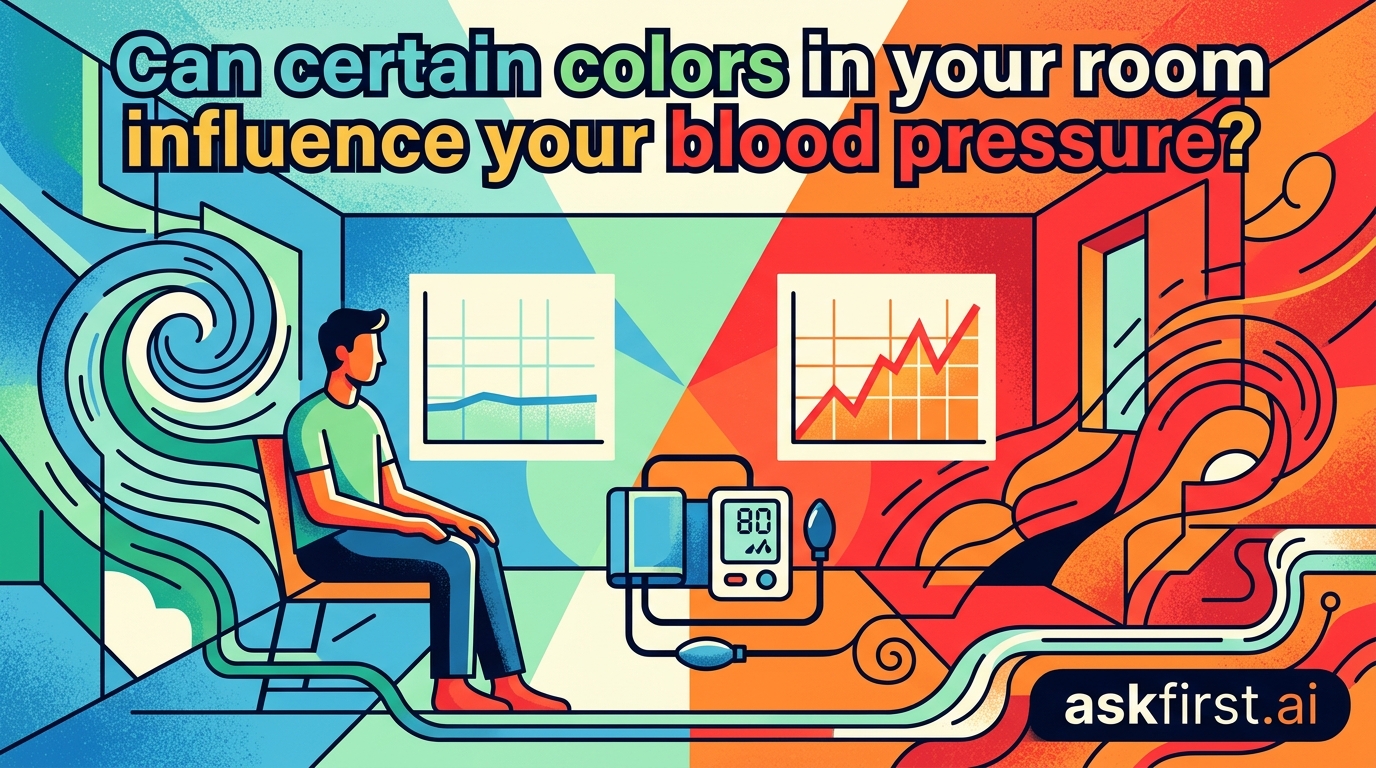
Cool colors—specifically blues, greens, and soft lavenders—are frequently associated with parasympathetic nervous system activation. Blue, for instance, has been documented in various architectural studies to lower pulse rates and reduce blood pressure compared to warm, stimulating colors. The theory suggests that because blue wavelengths are abundant in natural, peaceful environments like the sky and ocean, the human brain interprets these signals as safety and tranquility. Incorporating soft, muted blues into high-stress areas like bedrooms or home offices can foster an environment conducive to vascular relaxation.
The Energizing Impact of Warm Tones
Conversely, warm spectrum colors such as vibrant reds, oranges, and deep yellows are linked to increased arousal. Studies in environmental psychology indicate that these colors can stimulate the sympathetic nervous system, potentially leading to a mild elevation in heart rate and blood pressure. The "arousal hypothesis" suggests that these colors are evolutionarily tied to danger (fire, blood, aggressive animal markings), which triggers a subtle, unconscious "alert" state. While ideal for active spaces like exercise rooms or creative studios, using high-saturation red in a bedroom may counteract efforts to unwind at the end of the day.
The Role of Saturation and Brightness
It is not just the hue, but the intensity that matters. Bright, neon versions of any color demand more neural processing power, which can be taxing. High-saturation environments often result in increased cognitive load, which is indirectly linked to physiological stress markers. Conversely, desaturated colors—often referred to as "earthy" or "muted" tones—tend to be perceived as less threatening and more grounding, regardless of whether they fall on the warmer or cooler side of the spectrum.
Strategic Environmental Design
To optimize a room for health, consider the intended function of the space:
- For Relaxation: Utilize muted blues, sage greens, or soft neutrals. These colors minimize visual noise and support lower physiological arousal.
- For Productivity: Consider soft yellows or warm neutrals, which provide energy without the extreme agitation caused by saturated reds.
- Avoid: Large expanses of high-saturation neon colors in spaces intended for rest, as these consistently test as physiological stimulants.
Ultimately, while paint color is not a replacement for medical intervention, it is a significant environmental factor. By understanding the link between color and physiological response, one can curate a home that actively supports long-term physical well-being.