The Silent Guardian: Decoding Your Body’s Hidden Intuition
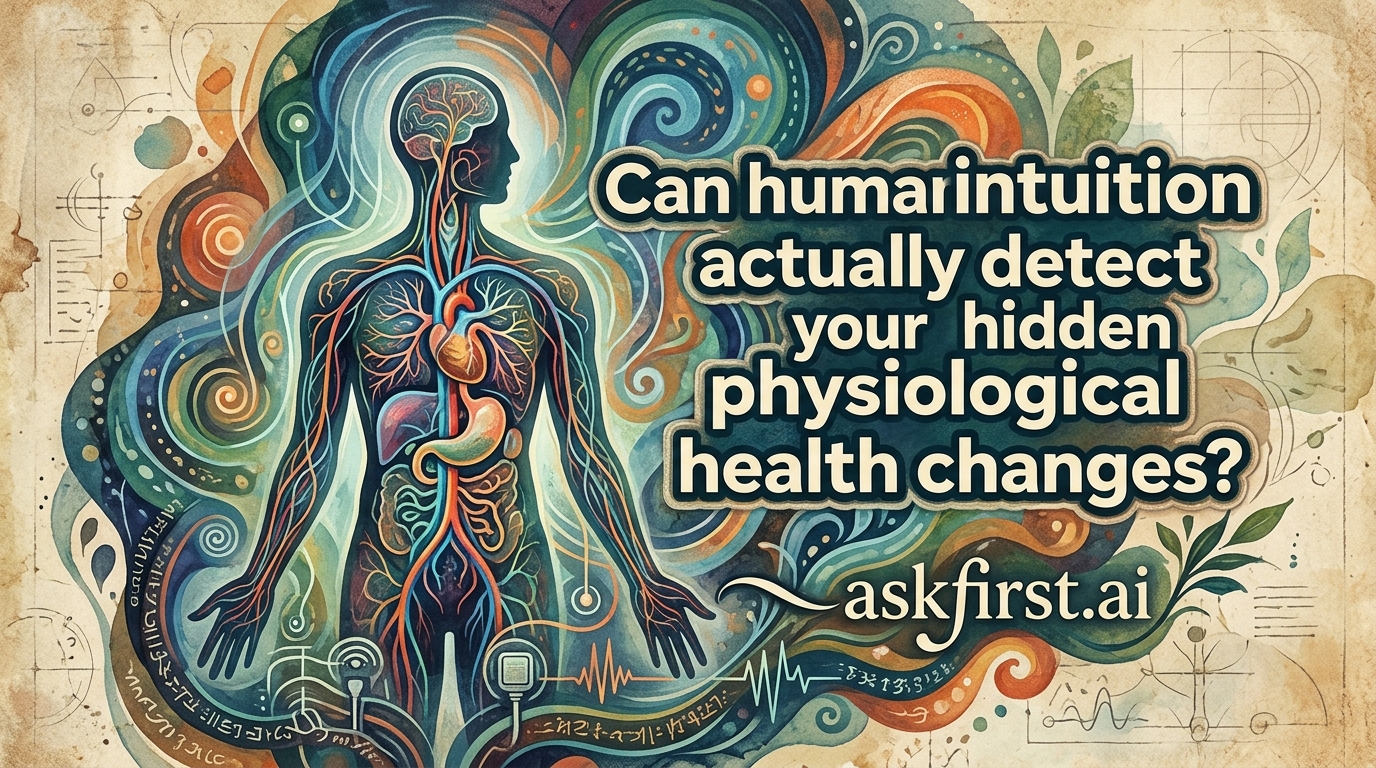
Human intuition is often dismissed as a mere feeling or a flight of fancy, yet emerging neurobiological research suggests it acts as a highly sophisticated, silent sensor for physiological shifts. Far from being magic, this "gut feeling" is the result of interoception—the brain's ability to sense and process the internal state of the body. When subtle health changes occur, the brain often registers these shifts through non-conscious pathways long before the conscious mind acknowledges symptoms.
The Neurobiology of the Gut-Brain Axis
The connection between the gut and the brain is not merely figurative; it is a bidirectional communication network involving millions of neurons. The vagus nerve serves as a superhighway, relaying signals from internal organs directly to the brain. When an individual experiences an unexplained sense of "something being wrong," it is frequently the amygdala and the insular cortex interpreting real-time data about metabolic stress, hormonal fluctuations, or early-stage inflammation that the conscious mind has yet to identify as a specific health issue.
How Interoception Protects the Body
Interoceptive accuracy refers to how effectively a person perceives internal physical sensations like heartbeat, breath, or abdominal tension. Those with higher interoceptive awareness often report "sensing" changes before they manifest as objective illness. This is characterized by:
- Subliminal Detection: The brain identifies minor deviations in cortisol levels or blood pressure, translating these into a vague feeling of unease.
- Behavioral Shifts: Intuition often manifests as sudden cravings or aversions, which researchers hypothesize may be the body’s attempt to self-correct nutritional or mineral imbalances.
- Predictive Processing: The brain uses Bayesian inference, constantly comparing incoming sensory data against models of expected homeostasis. When the data does not match the expectation, the brain flags an error, which we perceive as an intuitive hunch.
Scientific Context and Practical Application
While intuition is a powerful diagnostic tool, it is not a replacement for clinical evaluation. Studies on professional athletes and high-performance individuals show that those who trust their physical cues tend to avoid injury by slowing down when their bodies signal internal strain. By documenting these intuitive "hits" alongside objective health metrics, individuals can learn to calibrate their awareness. If one feels a persistent, illogical sense of malaise despite good external indicators, it is a scientifically backed signal to engage in self-care or consult a medical professional for a comprehensive check-up.
Ultimately, learning to tune into these silent signals is an essential skill for long-term vitality. By honoring the body's subtle warnings, we bridge the gap between biological necessity and conscious awareness, transforming the ephemeral "hunch" into a practical instrument for preventative health management.