The Biological Reality of Post-Mortem Growth
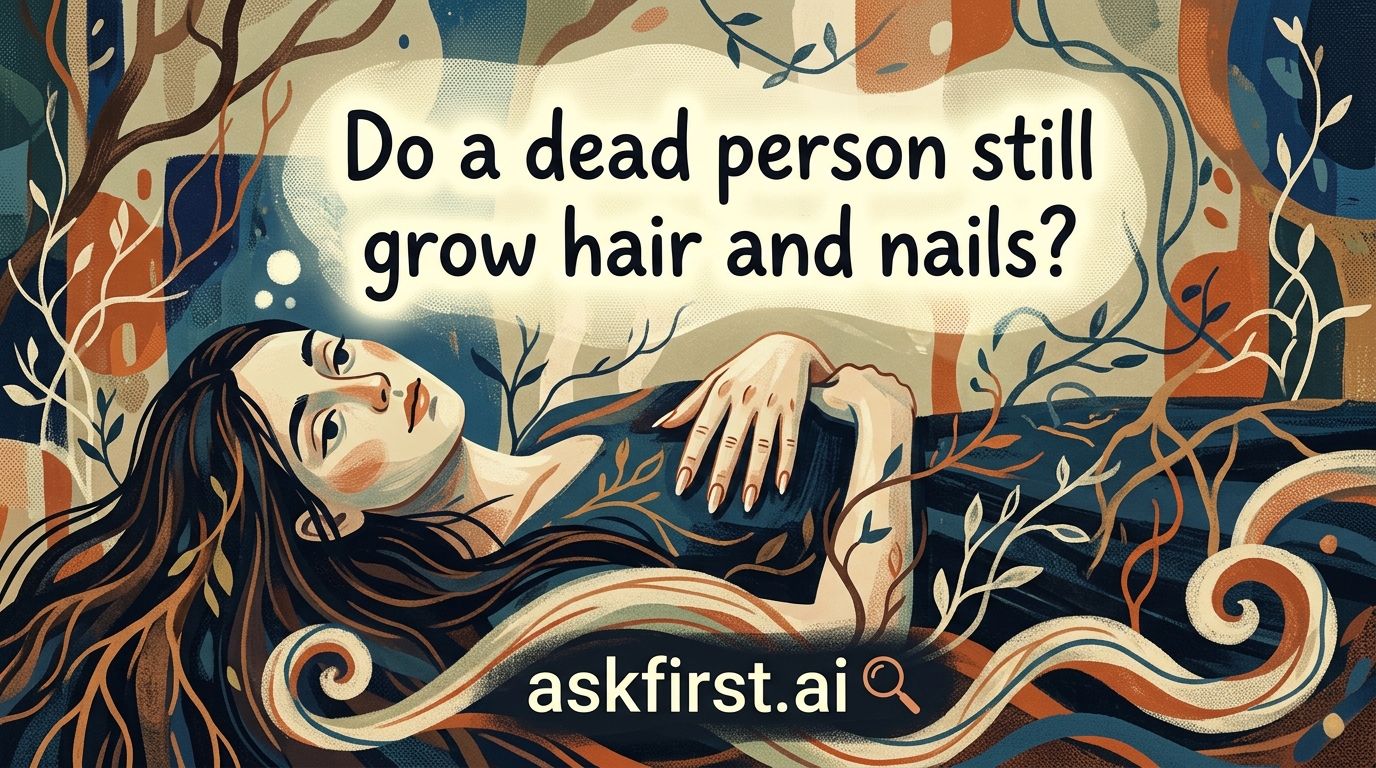
A prevalent urban legend suggests that after a person dies, their hair and fingernails continue to grow for several days or even weeks. This misconception is a staple of horror literature and folklore, often used to create macabre imagery of the deceased. However, from a biological and forensic perspective, this phenomenon is an optical illusion caused by the process of decomposition.
The Biological Mechanism of Growth
For hair and nails to grow, the human body must produce new cells. This process requires a complex biological system involving:
- Glucose metabolism: The conversion of nutrients into energy.
- Cellular division: The process of mitosis, where cells replicate.
- Hormonal regulation: Specifically, the presence of oxygen and hormones like testosterone and growth hormone.
Upon death, the heart stops pumping oxygenated blood to the tissues. Without oxygen, cellular respiration ceases, and the body’s metabolic processes come to a complete, irreversible halt. Consequently, the biological "machinery" required to produce keratin—the protein that forms hair and nails—is no longer functional. Therefore, true growth of hair and nails is physiologically impossible after death.
The Illusion of Growth: Dehydration and Retraction
If the body cannot grow new tissue, why does the phenomenon appear to occur? The answer lies in the post-mortem dehydration of the skin.
1. The Shrinkage Effect
As a body begins the process of decomposition, the skin loses its moisture content and undergoes dehydration. This causes the soft tissues—specifically the epidermis (the outer layer of skin)—to shrink and pull back.
- Nails: As the skin around the nail bed dries and retracts, more of the nail shaft becomes exposed. What was previously hidden beneath the cuticle is now visible, giving the appearance that the nail has extended.
- Hair: Similarly, the skin on the scalp dehydrates and tightens. This retraction makes the hair follicles appear more prominent and can cause existing hair to stand up or appear longer as the skin "pulls away" from the base of the hair shaft.
2. Forensic Context and Observations
Forensic pathologists and morticians frequently encounter this observation. It is a predictable stage of the taphonomic process. In the days following death, the body’s soft tissues lose turgor pressure. This is particularly noticeable in the face, hands, and feet. Because the nail and hair matrices are composed of dead, keratinized cells, they do not retract at the same rate as the living skin cells, which are largely composed of water. This differential rate of dehydration is what creates the visual "growth" effect.
Summary of Pros and Cons of the Myth
- Pros of the Myth: It has served as a powerful narrative device in gothic literature and film, emphasizing the "uncanny" nature of death.
- Cons of the Myth: It fosters scientific illiteracy regarding human physiology and the realities of the decomposition process.
Conclusion
In summary, while the visual evidence may seem compelling to the untrained eye, there is no scientific basis for post-mortem growth. Once the circulatory system ceases, the body enters a state of entropy. The perceived growth of hair and nails is merely an optical illusion resulting from the dehydration and subsequent recession of the skin. Understanding this process is vital for those in the medical and forensic fields to accurately assess the time since death during an investigation.