The Rhythmic Resonance: Why Your Heart Follows the Beat
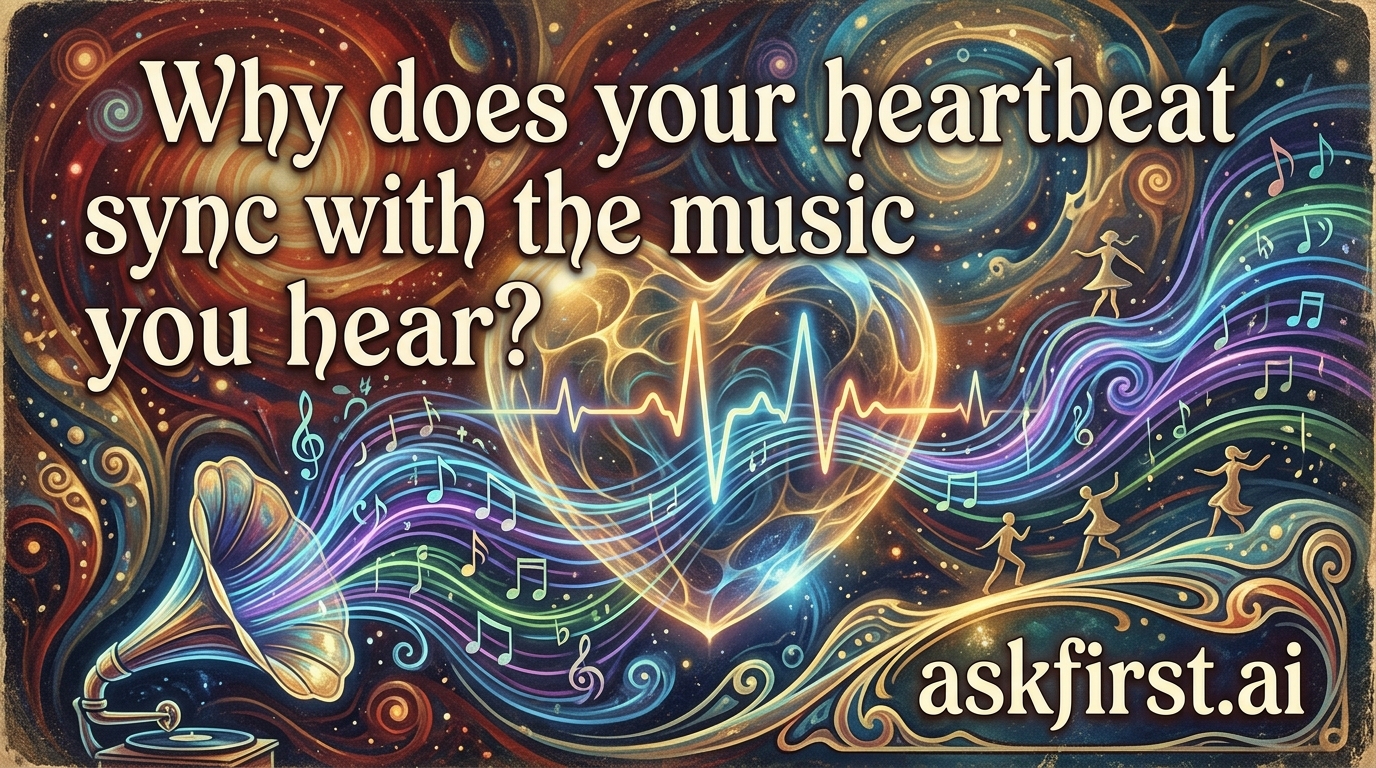
Human biology possesses an innate, often unconscious desire to align internal rhythms with external stimuli. When listening to music, the cardiovascular system frequently undergoes "entrainment," a process where physiological oscillators, such as heart rate and respiration, synchronize with the tempo of the sound. This phenomenon bridges the gap between auditory processing and autonomic regulation.
The Mechanism of Entrainment
The synchronization between music and the heart is primarily mediated by the autonomic nervous system (ANS). Music acts as a sensory input that the brain processes, triggering emotional and physiological responses. Research in music therapy, such as studies published in the Journal of Music Therapy, indicates that faster tempos increase arousal, leading to elevated heart rates, while slower, rhythmic compositions induce relaxation. The brain perceives the beat and anticipates its recurrence, prompting the ANS to adjust the heart rate to match the cadence. This is not a conscious decision but a reflexive physiological mimicry.
Evolutionary Roots of Rhythm
The tendency to synchronize movement and physiological states with sound likely holds evolutionary significance. Early human survival often depended on group cohesion, coordinated movement, and the ability to detect environmental patterns. Rhythm provided a structure for movement, facilitating communal activities. By aligning internal biological clocks with rhythmic auditory input, the body optimizes energy expenditure and coordinates motor function. This primal connection remains deeply embedded within the human neural architecture.
The Role of Emotions and Neurochemistry
Beyond basic mechanics, music influences the heart through its powerful impact on emotions. Certain musical patterns stimulate the release of neurotransmitters, such as dopamine and oxytocin, which modulate cardiovascular responses. If music induces a state of joy or excitement, the heart naturally accelerates. Conversely, meditative soundscapes promote parasympathetic nervous system dominance, naturally slowing the heart rate to achieve a state of calm. The heart, in effect, serves as an emotional barometer, shifting its rhythm in response to the affective landscape created by the music.
Factors Influencing Sync
Several variables determine the intensity of this synchronization:
- Tempo and BPM: Higher beats per minute (BPM) correlate strongly with faster physiological acceleration.
- Familiarity: Familiar music often produces more predictable emotional responses, leading to stronger physiological alignment.
- Personal Preference: Music that an individual finds highly pleasurable facilitates deeper synchronization through positive affective response.
- Current State: An individual’s existing physiological state, such as stress levels, heavily influences how much the music can modulate the heart rate.
Understanding this dynamic reveals that music is far more than an aesthetic experience; it is a profound biological regulator. The synchronicity between external rhythm and internal pulse demonstrates the intricate and deeply connected nature of human physiology, psychology, and the auditory world, highlighting how sound shapes the body's functional reality.