The Chronobiology of Illness: Why Time Slows Down When You Are Unwell
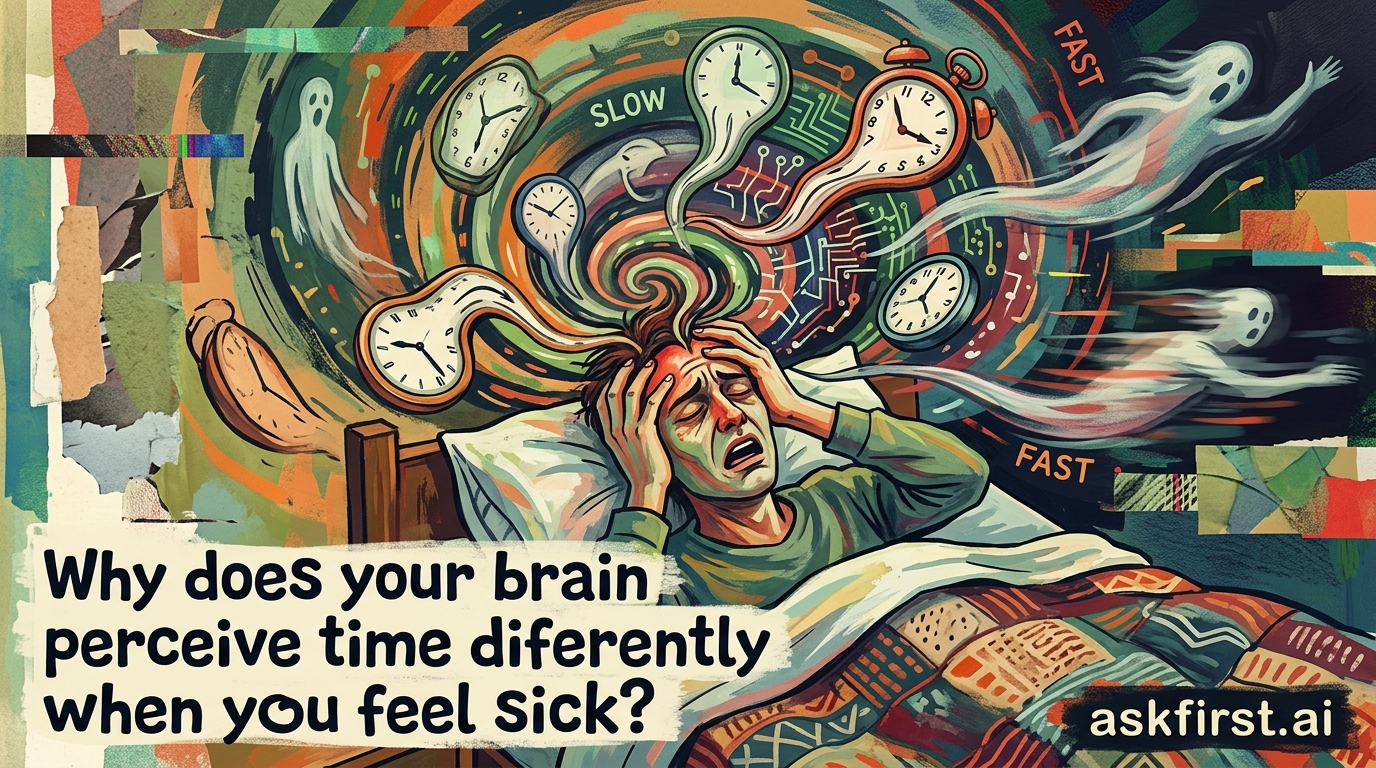
When the human body falls ill, the subjective experience of time often shifts dramatically. While a clock on the wall ticks at a steady cadence, the internal pacemaker of the brain appears to stall, making minutes feel like hours. This phenomenon is rooted in the complex interplay between neurochemistry, immune responses, and cognitive attention.
The Role of Interoception and Attention
Healthy individuals generally exist in a state of 'automatic' functioning, where bodily processes occur beneath the threshold of conscious awareness. However, illness triggers a shift toward heightened interoception—the brain's internal monitoring of bodily states. When physical discomfort arises, the brain allocates significant cognitive resources to tracking internal signals like inflammation, temperature fluctuations, and metabolic distress. This increased focus on 'the self' forces the brain to process more information per second than during normal, task-oriented activities. Because the brain uses the amount of encoded information as a proxy for the duration of an event, an overflow of data about physical misery leads to the perception that time is expanding.
The Cytokine Effect on Neural Pacemakers
Modern neuroscience identifies immune-signaling molecules, specifically cytokines, as primary drivers of this temporal distortion. When the immune system detects a pathogen, it releases pro-inflammatory cytokines such as interleukin-1 and tumor necrosis factor. These molecules travel to the brain and influence the functioning of the basal ganglia and the insular cortex, regions heavily involved in temporal processing.
- Cognitive Load: Inflammation-induced fatigue reduces working memory capacity, forcing the brain to focus intently on managing internal distress.
- Neural Synchronization: Cytokine surges can alter the rhythm of neural oscillations, potentially slowing down the internal clock frequency that the brain uses to measure time intervals.
Essentially, the brain enters a 'survival mode' characterized by hyper-vigilance toward discomfort, which fundamentally alters the neural architecture of temporal perception.
Evolutionary Purpose: The Sickness Behavior
From an evolutionary perspective, the distortion of time during illness is not a malfunction but a feature. This 'sickness behavior'—including lethargy, social withdrawal, and time dilation—encourages the organism to minimize physical activity and conserve metabolic energy for immune defense. By making time feel longer and exertion feel more taxing, the brain nudges the body to prioritize rest. Research suggests that this psychological state serves as a biological signal to retreat, heal, and recover without the interference of unnecessary stimuli or movement.
Ultimately, the sensation of slowed time is a sophisticated neural mechanism designed to enforce the physiological stillness required for deep healing. By focusing the subject on their own state of being, the brain effectively protects the body until homeostasis is restored.