The Physiological Marvel: How Laughter Supercharges Your Oxygen Levels
Laughter is often categorized as a social lubricant or a mechanism for stress relief, but modern medical research indicates that the act of genuine laughter serves as a potent physiological stimulus. When an individual laughs, a series of complex biological reactions occur, significantly impacting respiratory function and oxygen delivery throughout the cardiovascular system. Contrary to the belief that laughter is merely an emotional outlet, it acts as a functional exercise that enhances systemic oxygenation.
The Mechanics of Laughter and Respiration
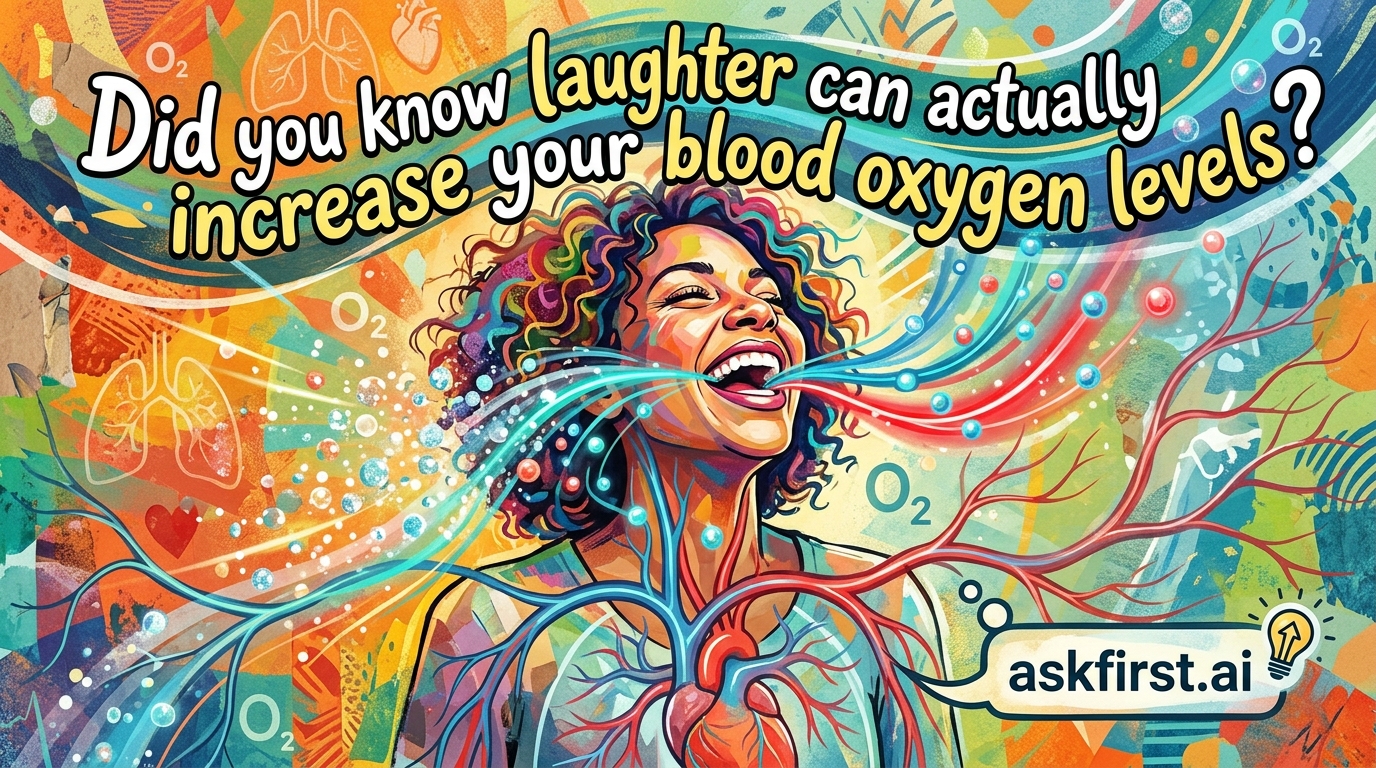
During a bout of hearty laughter, the body experiences a distinct change in respiratory patterns. A laughter episode typically begins with a deep, reflexive inhalation, followed by a series of short, choppy exhalations. This process creates an effect similar to cardiovascular exercise, such as brisk walking or jogging, by forcing the lungs to clear out residual air. By emptying the lungs of stale air, the subsequent inhalation of fresh, oxygen-rich air is significantly more efficient. This increased exchange of gases allows for a higher volume of oxygen to reach the bloodstream, thereby improving overall oxygen saturation levels.
Cardiovascular and Neurological Synergy
Beyond respiratory mechanics, laughter exerts a profound influence on the cardiovascular system. As one laughs, the heart rate increases momentarily, which stimulates blood circulation and improves the transport of oxygen to peripheral tissues. Research published in organizations such as the American Heart Association has noted that laughter triggers the endothelium—the inner lining of blood vessels—to relax and dilate, or expand. This vascular dilation further assists in delivering oxygenated blood more effectively to vital organs and muscle groups.
Moreover, laughter triggers the release of endorphins, the body's natural feel-good chemicals. These neurotransmitters promote a state of physiological calm, which offsets the detrimental effects of cortisol, a stress hormone that can constrict blood vessels and impair oxygen distribution. By fostering an environment of reduced muscular tension, laughter ensures that oxygen delivery is not hindered by vasoconstriction or stress-related respiratory suppression.
Practical Applications for Health
Incorporating humor into a daily wellness routine serves as an accessible tool for physical optimization. Experts suggest that "laughter yoga" or simply seeking out humorous stimuli for ten to fifteen minutes daily can yield measurable benefits. These benefits include:
- Enhanced Lung Capacity: Increased alveolar ventilation helps maintain clear airways.
- Stress Reduction: Lowering systemic stress hormones improves vascular flow.
- Immune System Support: Increased circulation aids in the distribution of immune cells.
In summary, laughter is not merely a reactive social behavior but a dynamic physiological process that mirrors the benefits of light physical activity. By optimizing respiratory efficiency and supporting vascular health, laughter remains one of the simplest yet most effective biological interventions for maintaining high blood oxygen levels and sustaining long-term cardiovascular resilience.