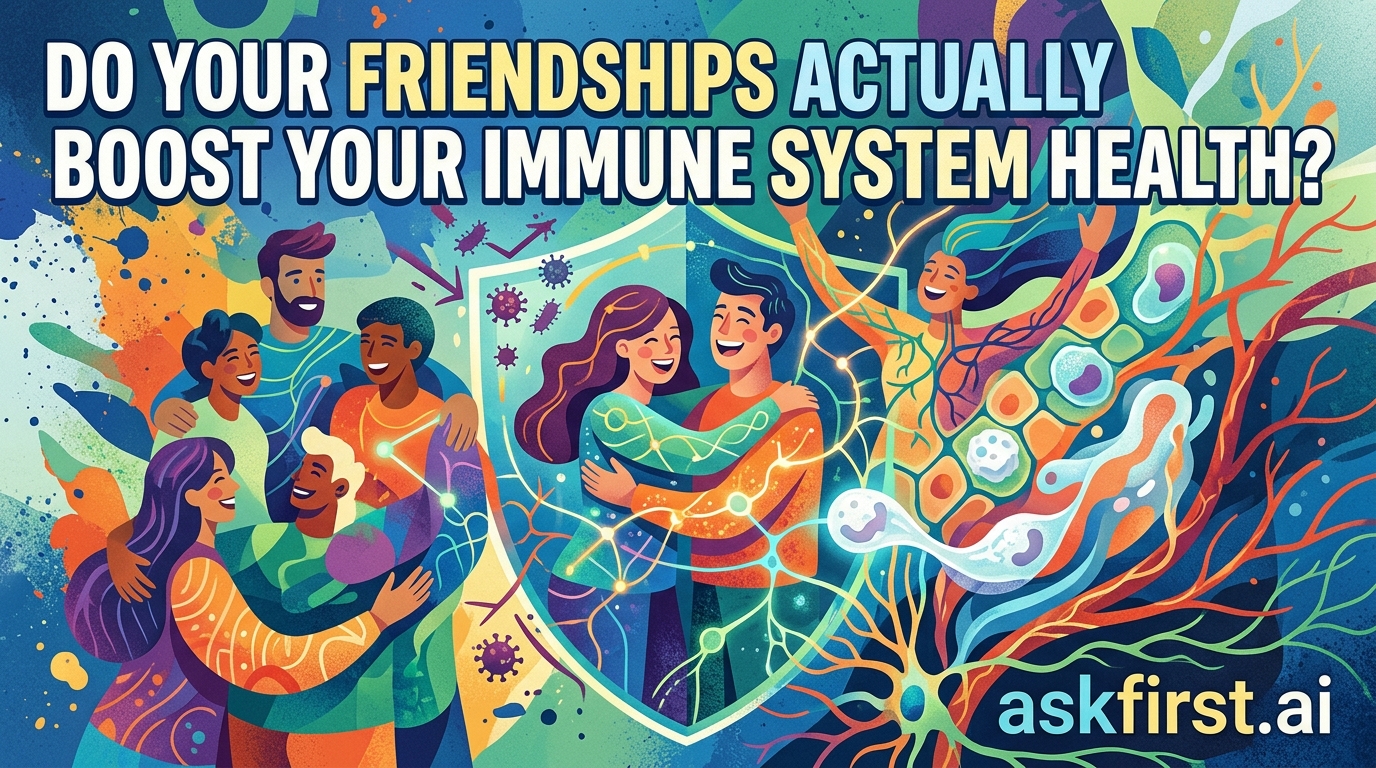
The Biology of Belonging: How Friendships Supercharge Immunity
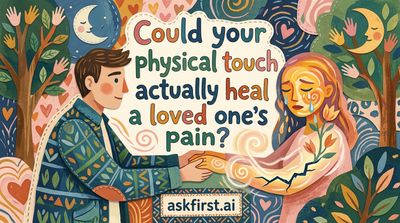
Scientific research increasingly confirms that our social circles serve as much more than emotional support networks; they function as fundamental pillars of physical biology. The phenomenon known as social regulation of gene expression indicates that deep human connections can physically alter how our bodies fight off pathogens.
The Psychoneuroimmunology Connection
At the heart of this connection lies psychoneuroimmunology, the study of how psychological processes influence the immune system. Studies conducted by institutions like the University of California, Los Angeles, demonstrate that loneliness triggers a stress response known as "fight or flight" at a molecular level. When humans feel socially isolated, the body perceives this as an existential threat, signaling the immune system to ramp up inflammation. While inflammation is essential for initial injury response, chronic systemic inflammation leads to compromised immunity and increased susceptibility to viruses.
Conversely, robust social bonds act as a "biological buffer." When individuals maintain healthy, high-quality friendships, the brain signals a state of safety. This downregulation of the stress hormone cortisol prevents the chronic inflammation typically associated with isolation. Consequently, individuals with strong social ties often exhibit higher concentrations of natural killer cells and antibody-producing cells.
Why Quality Outweighs Quantity
It is vital to distinguish between a vast digital network and high-quality, authentic connection. The biological benefits are derived from emotional intimacy, trust, and predictability. Research suggests:
- Oxytocin Release: Interacting with trusted friends triggers the release of oxytocin, a hormone that acts as a natural anti-inflammatory agent.
- Stress Buffering: Having a reliable confidant reduces the cardiovascular strain experienced during stressful life events, which indirectly supports immune efficiency.
- Behavioral Contagion: Friends often influence healthy habits, such as sleep hygiene and nutrition, which are secondary yet critical pillars of immune performance.
Evolutionary Perspectives
From an evolutionary standpoint, the human immune system was designed for group living. Historically, being alone meant being vulnerable to predators and exposure. Our bodies adapted to associate solitude with danger, preparing the immune system for potential physical trauma by prioritizing inflammatory responses. In the modern world, where we often live in physical isolation, these ancient biological pathways remain active, interpreting loneliness as a physiological emergency. By prioritizing community, we are essentially "tricking" our biology into a relaxed, restorative state where the immune system can focus on maintenance and long-term protection rather than reactive inflammatory combat.
Ultimately, friendship is not merely a social luxury; it is a metabolic requirement. Integrating regular, meaningful human interaction into daily life is a proactive strategy for biological resilience, proving that our closest companions are truly our best health partners.