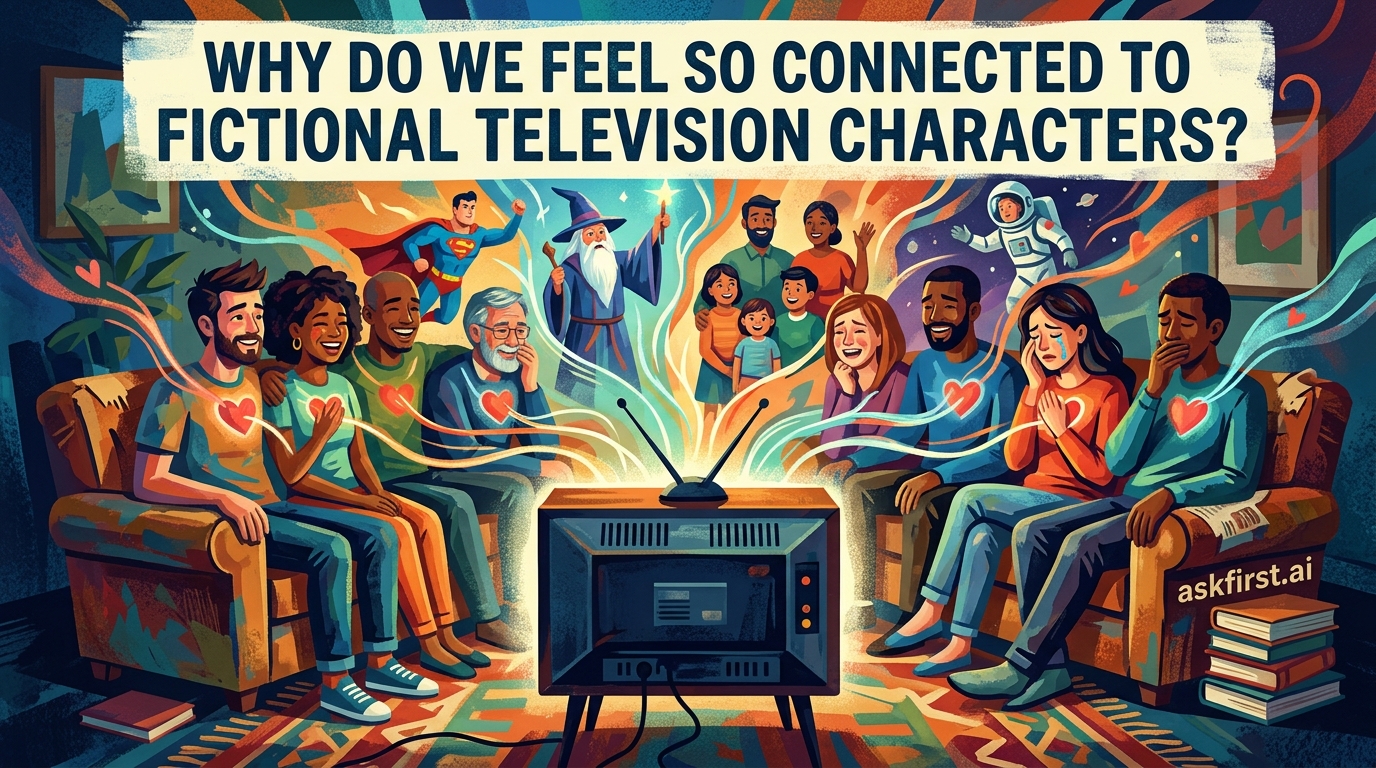
The Psychology Behind Our Connection to TV Characters
The Psychology of Parasocial Bonds: Why Fictional Characters Feel Like Friends
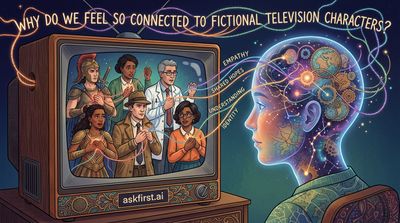
Humans possess an innate social architecture designed to foster connections, and surprisingly, this evolutionary mechanism does not distinguish between real-world peers and the figures flickering on a screen. This phenomenon is known as a parasocial relationship, a psychological term coined by Horton and Wohl in 1956 to describe the one-sided emotional intimacy viewers develop with media personas.
The Evolutionary Basis of Empathy
Our brains are hardwired for social survival. For ancestral humans, tracking the intentions, emotions, and behaviors of others was essential for group cohesion. Today, when we consume television narratives, the mirror neuron system in the brain activates as if we were physically interacting with the characters. We simulate their experiences, feel their triumphs, and mirror their grief. Because high-quality television often places characters in intense, relatable dilemmas, our brain registers these experiences as authentic personal interactions, triggering genuine emotional responses.
The Illusion of Consistency and Intimacy
Unlike real-world relationships, which can be messy, unpredictable, and demanding, fictional relationships are often structured to be rewarding. We witness these characters grow, overcome obstacles, and reveal their deepest vulnerabilities—an level of transparency that takes years to achieve in real-life friendships. This "intimacy gap" creates a sense of profound trust.
- Consistency: We know these characters better than many colleagues or acquaintances because we watch them across various life scenarios.
- Reduced Risk: A parasocial bond carries no threat of judgment or rejection, making it a safe space for viewers to process their own emotions.
- Narrative Depth: Television allows for long-form character development that fosters deep familiarity over time.
The Role of Narrative Immersion
When a story is well-crafted, viewers experience "transportation"—the psychological state of being fully immersed in a narrative world. In this state, the boundaries between self and character blur. We often use characters as conduits to explore different facets of our own identities. For instance, an introverted viewer might feel empowered by watching a courageous, extroverted character handle social conflict, effectively adopting that character's strength as a temporary coping mechanism.
A Healthy Cognitive Expansion
While critics once dismissed parasocial attachments as a sign of loneliness, modern psychological research suggests these bonds can be healthy, fulfilling, and supportive. Engaging with fictional characters can help individuals practice empathy, broaden their perspectives, and find comfort during periods of isolation. By inhabiting the lives of others—even those who exist only as code and scripts—we expand our own capacity for understanding the complexities of human nature, making our own lives feel richer and more nuanced. The connection is not merely a phantom of our imagination; it is a testament to the remarkable adaptability of the human heart and its boundless capacity for connection.