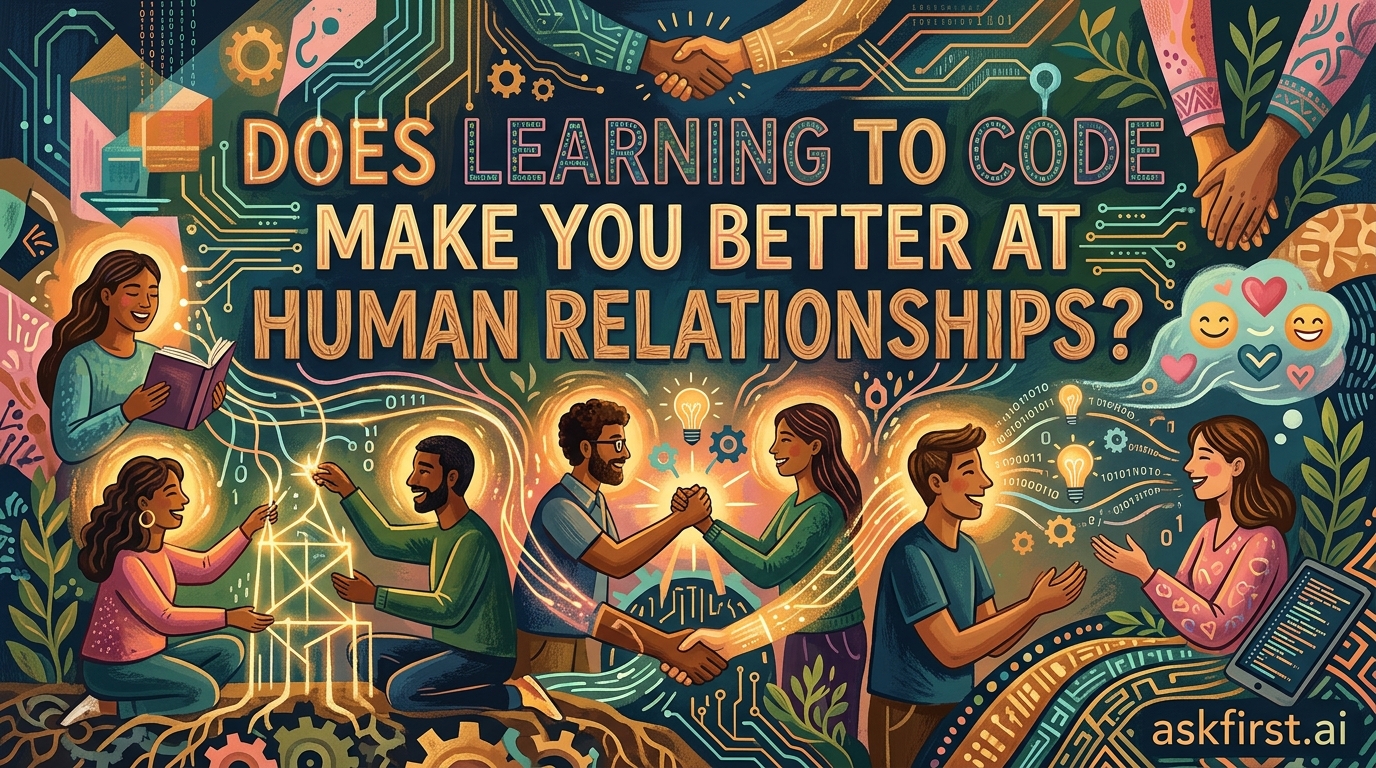
The Hidden Link: How Coding Rewires Your Social Intelligence
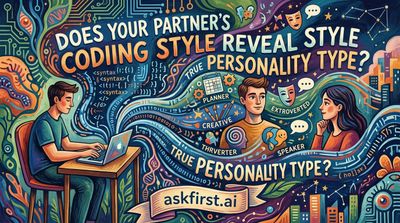
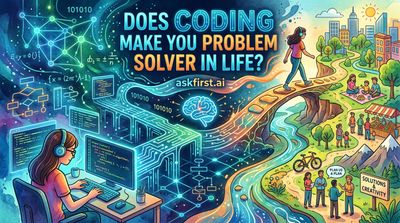
Learning to code is often viewed strictly as a technical endeavor, yet the cognitive shifts associated with programming often manifest in significant improvements in human interpersonal dynamics. When individuals engage in the disciplined study of software architecture and logic, they inadvertently cultivate a suite of soft skills that translate directly into higher-quality human relationships.
Algorithmic Empathy and Conflict Resolution
Programming requires a rigorous form of empathy known as "user-centric design." A developer must constantly step outside their own cognitive framework to anticipate how someone else might interact with a system, accounting for errors and misunderstandings before they occur. This practice mirrors the psychological concept of "theory of mind," which is the ability to attribute mental states to others. Individuals who learn to debug complex codebases are essentially training their brains to look for root causes in emotional disagreements, rather than reacting superficially to symptoms. By focusing on the "logic" of a partner's frustration, one becomes better at de-escalating conflicts.
Decomposition of Overwhelming Situations
One of the greatest challenges in human relationships is the tendency to become overwhelmed by complex, multifaceted issues. Coding teaches the concept of decomposition—breaking a massive, intimidating task into smaller, manageable sub-problems. In a relationship, this translates into the ability to move away from binary "all-or-nothing" thinking. Instead of declaring a situation a total failure, a skilled coder can identify specific, addressable components of a misunderstanding. This leads to more productive communication, where partners address singular actionable issues rather than engaging in sweeping generalizations that frequently lead to resentment.
Patience Through Iteration
Modern software development relies heavily on iterative testing and refinement. Code rarely functions perfectly on the first attempt, and this reality fosters an appreciation for patience and long-term progress. In relationships, this translates to the understanding that growth and change are continuous processes, not one-time fixes. Relationships require constant "refactoring"—periodically assessing habits and communication styles to remove technical debt. Those accustomed to the iterative nature of software are often more forgiving of human imperfection, recognizing that progress requires time, repeated attempts, and continuous refinement rather than instant perfection. Ultimately, the analytical mindset fostered by coding provides a structured framework for empathy, communication, and patience, creating a more stable foundation for meaningful human connection. By applying the rigor of systems thinking to the nuance of human interaction, individuals develop the capacity to listen more actively, resolve conflicts more logically, and foster resilience in the face of inevitable interpersonal friction.