The Aesthetics of Syntax: Is Coding an Art Form?
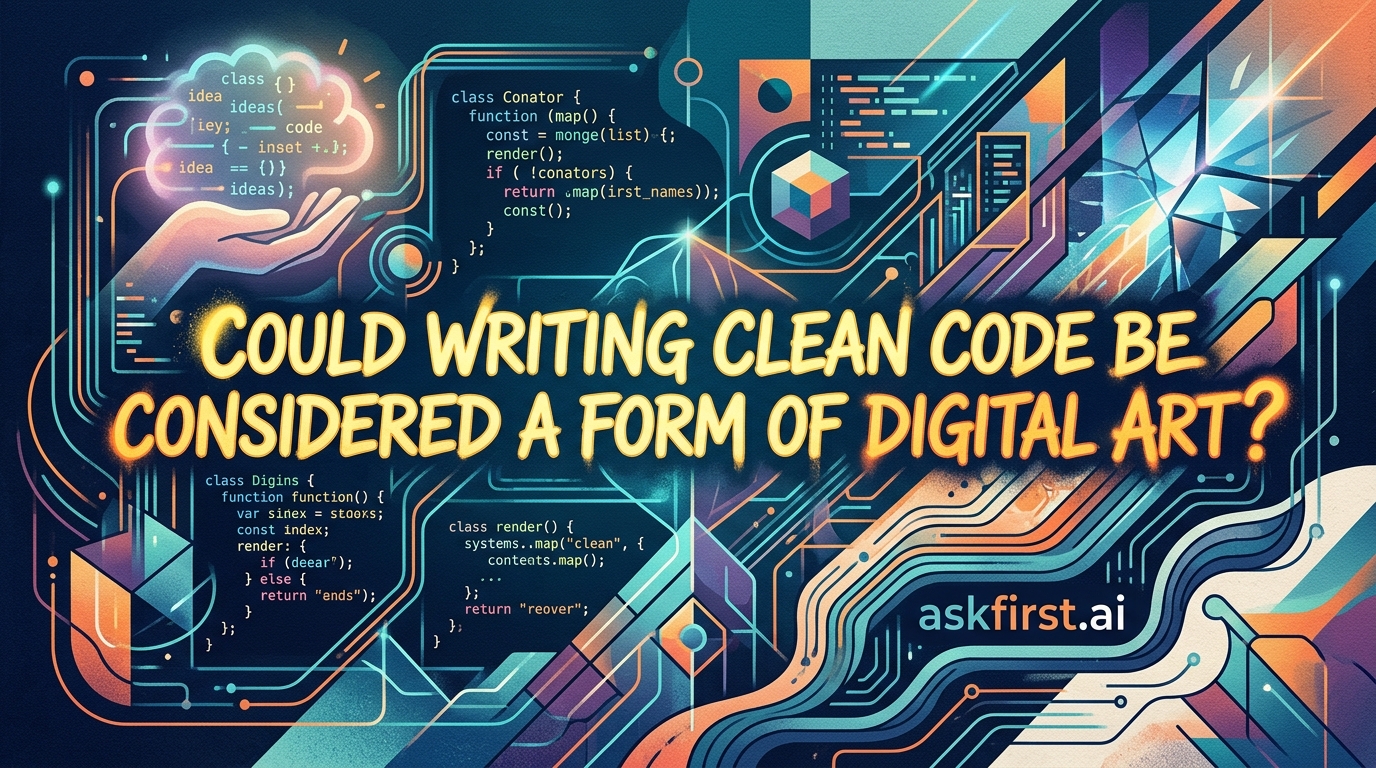
Code is often perceived as a purely utilitarian construct, a rigid set of instructions dictated by the binary constraints of silicon architecture. However, many master developers argue that high-quality, clean code transcends mere functionality. Like a master architect or a poet, a software engineer balances structural integrity, aesthetic elegance, and intentional brevity to create something that functions not just correctly, but beautifully.
The Concept of Elegance in Logic
In mathematics and computer science, elegance is defined as the solution that solves a problem with the least amount of friction, complexity, and resource consumption. This mirrors the artistic pursuit of minimalism. When code is "clean," it is readable, modular, and intuitive—much like a well-composed symphony where every note serves a specific purpose in the greater movement. It eliminates unnecessary abstractions and embraces the "Zen" of simplicity, proving that genius often lies in removing what is not needed rather than adding what is.
Code as a Creative Expression
Beyond functionality, developers inject personality and stylistic choices into their work. The way variables are named, how functions are structured, and how logic is flowed often reveals the "handwriting" of the programmer. Much like an artist develops a unique brushstroke, senior engineers possess a distinctive architectural style. This form of expression exists within the constraints of strict syntax, yet it allows for infinite creativity in how data is processed, stored, and retrieved.
Principles of Clean Code as Artistic Guidelines
To bridge the gap between engineering and art, the community relies on established philosophies that mirror aesthetic principles:
- DRY (Don't Repeat Yourself): This aligns with the artistic demand for economy of language. Efficiency in expression is a hallmark of mastery.
- Single Responsibility Principle: Similar to how an artist focuses on a central subject in a painting, clean functions focus on one clear task to avoid "cognitive clutter."
- Readability as Design: Good code is written for human beings, not just machines. The focus on naming conventions and documentation creates an experience for the reader, much like the layout of a physical book determines the reader's engagement.
The Immutable Legacy of Craftsmanship
Unlike traditional art forms that may decay, digital code, when kept clean, represents a form of permanent, executable craft. It evolves through refactoring and version control, acting as a living sculpture. When one treats code as art, the quality of the software improves, the long-term maintenance burden decreases, and the developer derives genuine joy from the pursuit of the "perfect" solution. Coding is not just about moving data; it is about crafting an elegant response to a complex problem. Therefore, viewing software development through the lens of art elevates it from a mundane technical task to a creative, profound human endeavor.