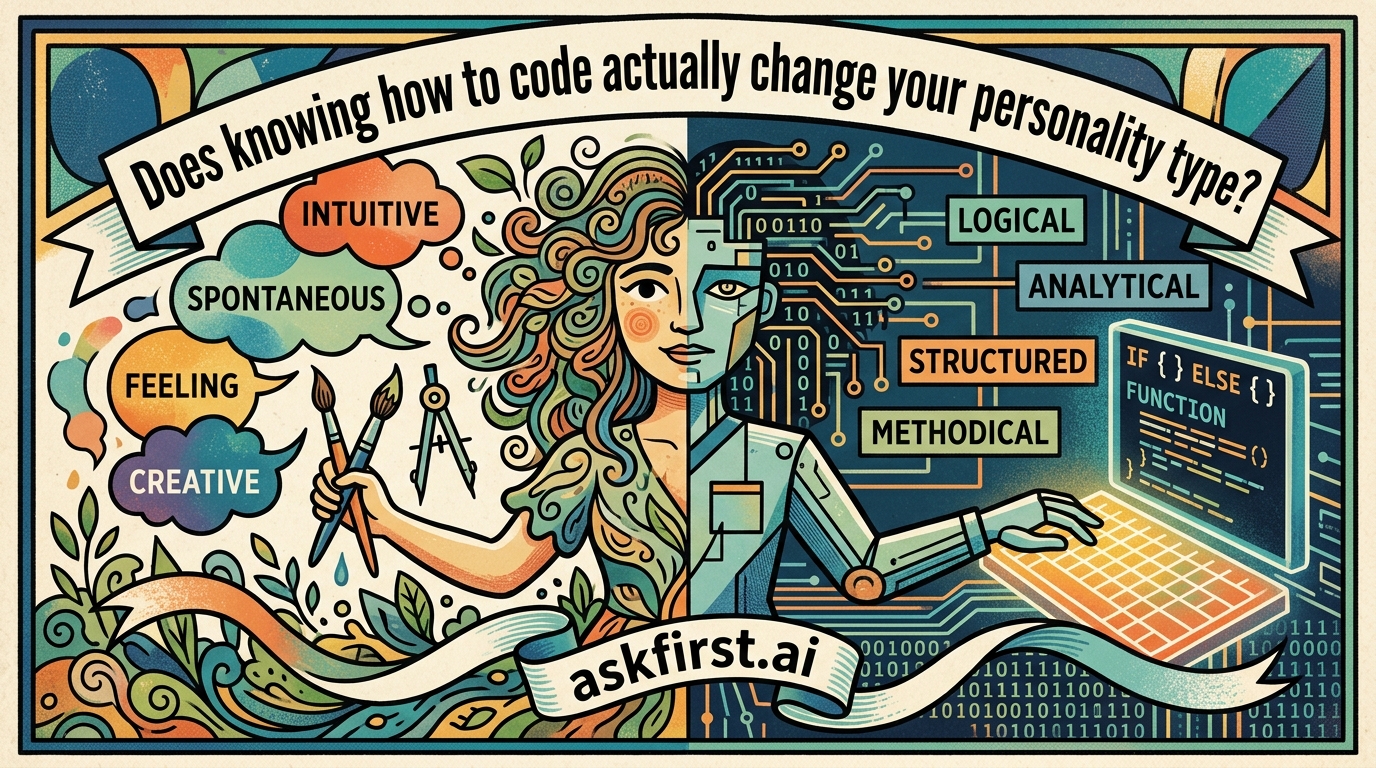
The Digital Mind: Can Programming Actually Rewire Your Personality?
Does the act of learning to code fundamentally alter the human psyche? While personality traits are generally considered stable over time, research into neuroplasticity and cognitive behavioral patterns suggests that the rigorous mental discipline required for software development can indeed influence behavioral tendencies, problem-solving approaches, and interaction styles. Coding is not merely a technical skill; it is a structured system of thinking that demands high levels of logical abstraction, patience, and iterative failure.
The Neuroplasticity of Logic
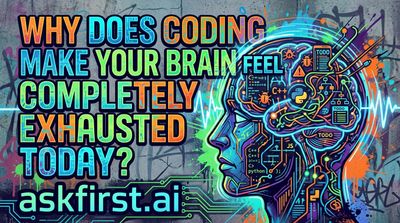
When an individual learns to code, the brain undergoes significant cognitive adaptation. Programmers often develop a heightened sensitivity to pattern recognition and structural causality. This shift often manifests as a more analytical approach to everyday problems. By constantly decomposing complex issues into smaller, manageable chunks—a process known as functional decomposition—programmers often find themselves applying this framework to personal challenges, which can result in a more methodical, objective, and less emotionally reactive demeanor.
The Psychology of Failure and Persistence
One of the most profound impacts of programming on the personality is the normalization of failure. Coding involves hours of debugging, where the expected outcome differs from the actual result. This process fosters a specific type of intellectual humility and resilience. Unlike many academic fields where a single right answer is pursued, coding requires navigating a landscape of errors to find a solution. This consistent exposure to trial-and-error often increases an individual’s grit, making them more comfortable with ambiguity and less prone to frustration when faced with obstacles in their non-technical life.
Shift in Communication and Social Interaction
There is a notable shift in how seasoned coders approach communication. Because coding languages are precise, ambiguous language becomes a source of friction. Many programmers develop a bias toward clarity and succinctness, often favoring efficiency over elaborate social ornamentation. While this can sometimes be perceived as bluntness, it is typically a byproduct of training the mind to prioritize the most effective transmission of information. However, this is not an immutable change; rather, it is a learned preference for directness that can be adjusted based on social context.
Is it a True Personality Change?
It is essential to distinguish between a core personality type and a cognitive "operating system." A person’s Big Five personality traits—Openness, Conscientiousness, Extraversion, Agreeableness, and Neuroticism—are largely consistent. However, coding can shift the expression of these traits. For example, a person might become more conscientious through the demands of project management, or more open to experiences by constantly navigating new technologies. Ultimately, coding acts as a catalyst for cognitive refinement, sharpening the tools of the mind without erasing the essence of the individual’s fundamental character.