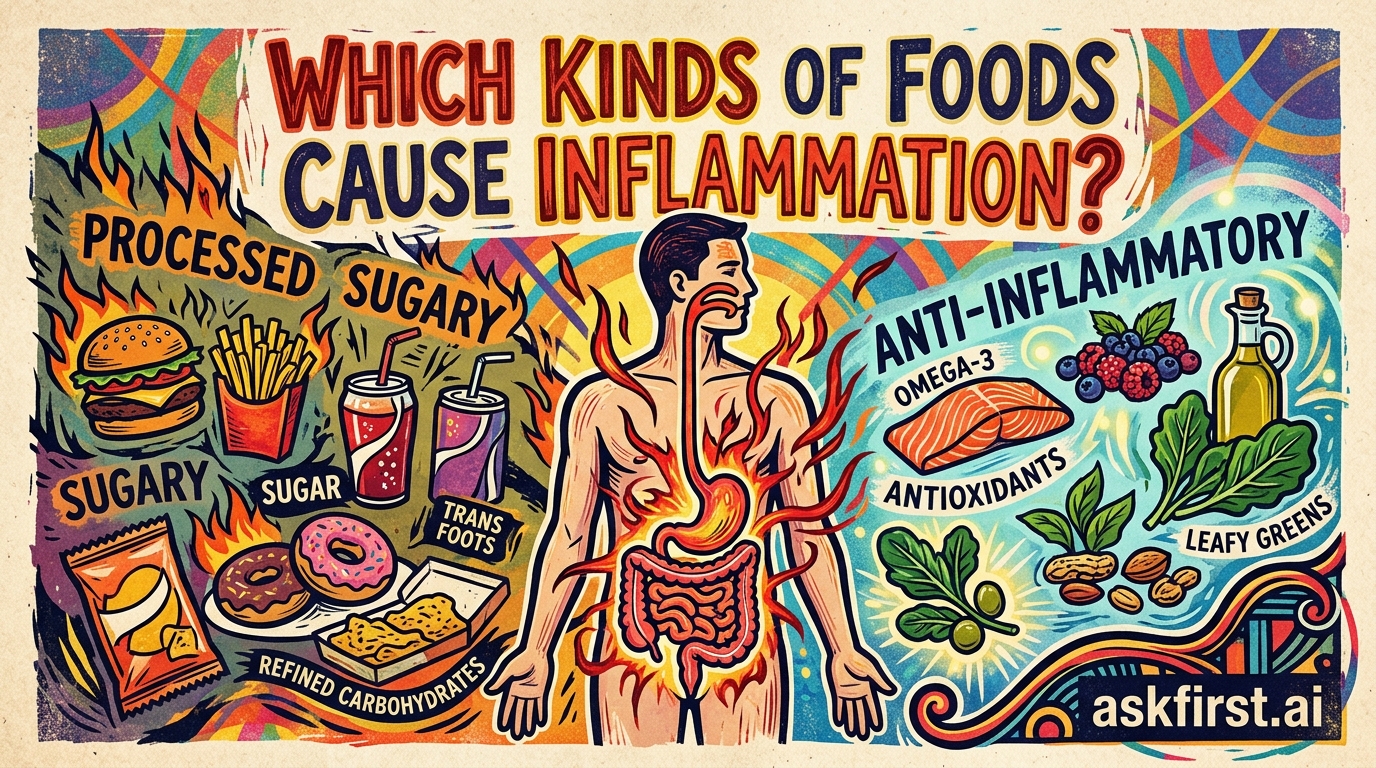
The Biochemistry of Inflammation: Understanding Dietary Triggers
Inflammation is the body’s immune system response to an irritant. While acute inflammation is a vital, protective mechanism—such as the swelling that occurs after a scraped knee—chronic, systemic inflammation is a silent driver of modern malaise. It is increasingly linked to cardiovascular disease, type 2 diabetes, autoimmune disorders, and neurodegenerative conditions. As noted by Dr. Andrew Weil in his seminal work Anti-Inflammatory Diet, the modern Western diet is a primary catalyst for this persistent internal stress. By consuming pro-inflammatory foods, we effectively keep our immune systems in a state of high alert, leading to long-term tissue damage.
To mitigate this, one must first identify the primary dietary culprits that drive the inflammatory cascade.
1. Refined Carbohydrates and Added Sugars
The most significant contributor to systemic inflammation is the consumption of refined carbohydrates and added sugars, particularly high-fructose corn syrup. When we ingest refined grains (white bread, pastries, pasta) and sugary beverages, our blood glucose levels spike rapidly. This triggers a massive release of insulin from the pancreas.
According to research detailed in The Inflammation Spectrum by Dr. Will Cole, these glycemic spikes increase the production of free radicals and pro-inflammatory cytokines, such as C-reactive protein (CRP). CRP is a clinical marker used by physicians to measure systemic inflammation levels. When you consume a soda or a refined pastry, you are essentially inducing a metabolic state that encourages oxidative stress at the cellular level.
Concrete Example: Replacing a breakfast of sugary cereal or a white flour bagel with steel-cut oats topped with blueberries can drastically lower your morning inflammatory response. The fiber in the oats slows glucose absorption, preventing the insulin spike that leads to inflammation.
2. Industrial Seed and Vegetable Oils
While the health advice of the late 20th century encouraged the replacement of saturated fats with vegetable oils, modern nutritional science suggests this may have been a mistake. Oils high in omega-6 fatty acids—such as soybean, corn, cottonseed, and sunflower oil—are ubiquitous in processed foods and restaurant cooking.
The issue is not that omega-6 fatty acids are inherently "bad," but rather the ratio between omega-6 and omega-3 fatty acids. In Deep Nutrition by Dr. Catherine Shanahan, the author argues that the standard American diet has shifted this ratio to a dangerous extreme. Omega-6s are precursors to pro-inflammatory signaling molecules. When consumed in high amounts without the balancing presence of anti-inflammatory omega-3s (found in wild-caught fish or flaxseeds), the body is pushed toward a pro-inflammatory state.
Concrete Example: Instead of cooking with refined soybean oil, opt for extra virgin olive oil, avocado oil, or grass-fed ghee, all of which contain more stable fatty acid profiles and, in the case of olive oil, contain oleocanthal, a compound with anti-inflammatory properties similar to ibuprofen.
3. Processed Meats and Trans Fats
Processed meats—including bacon, sausage, hot dogs, and deli meats—are often loaded with nitrates, sodium, and saturated fats, all of which are linked to increased inflammation. Furthermore, these products are often smoked or cured, processes that can create harmful compounds like heterocyclic amines and polycyclic aromatic hydrocarbons.
Trans fats, often labeled as "partially hydrogenated oils," are perhaps the most damaging of all dietary fats. Though they have been banned in many jurisdictions, they still appear in some processed snack foods and non-dairy coffee creamers. Research published in the New England Journal of Medicine has consistently shown that trans fats lower "good" HDL cholesterol while simultaneously damaging the lining of blood vessels, leading to chronic inflammation of the arterial walls.
4. Excessive Alcohol Consumption
While small amounts of red wine (containing resveratrol) are sometimes cited for health benefits, the overconsumption of alcohol is unequivocally pro-inflammatory. Alcohol increases intestinal permeability, often referred to as "leaky gut." When the gut barrier is compromised, bacterial toxins (endotoxins) can move into the bloodstream, triggering a systemic immune response. This leads to widespread inflammation that affects the liver, the brain, and the cardiovascular system.
Conclusion: The Path Toward Resolution
Moving away from an inflammatory diet is not merely about restriction; it is about shifting toward nutrient-dense, whole-food sources. By eliminating refined sugars, industrial seed oils, and processed meats, you provide your body with the opportunity to reset its internal environment.
The goal is to move toward an "Anti-Inflammatory Protocol," as championed by experts like Dr. Mark Hyman in Food Fix. This involves prioritizing colorful vegetables, healthy fats (like those found in avocados and walnuts), and high-quality proteins. By consciously choosing to avoid the "pro-inflammatory" triad of sugar, refined oils, and processed additives, you effectively reduce the "noise" in your immune system, allowing your body to focus on repair and longevity rather than constant defense. Dietary choices are the most powerful tool you possess for long-term health; use them with precision and intent.