The Intersection of Emotion and Cardiology: Decoding the Broken Heart Myth
The age-old sentiment that a broken heart can lead to physical ailment is no longer merely the domain of poets or novelists. Modern medical science has identified a fascinating bridge between emotional states and physiological health. While the phrase "broken heart" is often used metaphorically to describe the sting of rejection or the sorrow of loss, clinicians have documented a legitimate medical condition known as Takotsubo Cardiomyopathy, commonly referred to as "Broken Heart Syndrome."
Understanding Takotsubo Cardiomyopathy
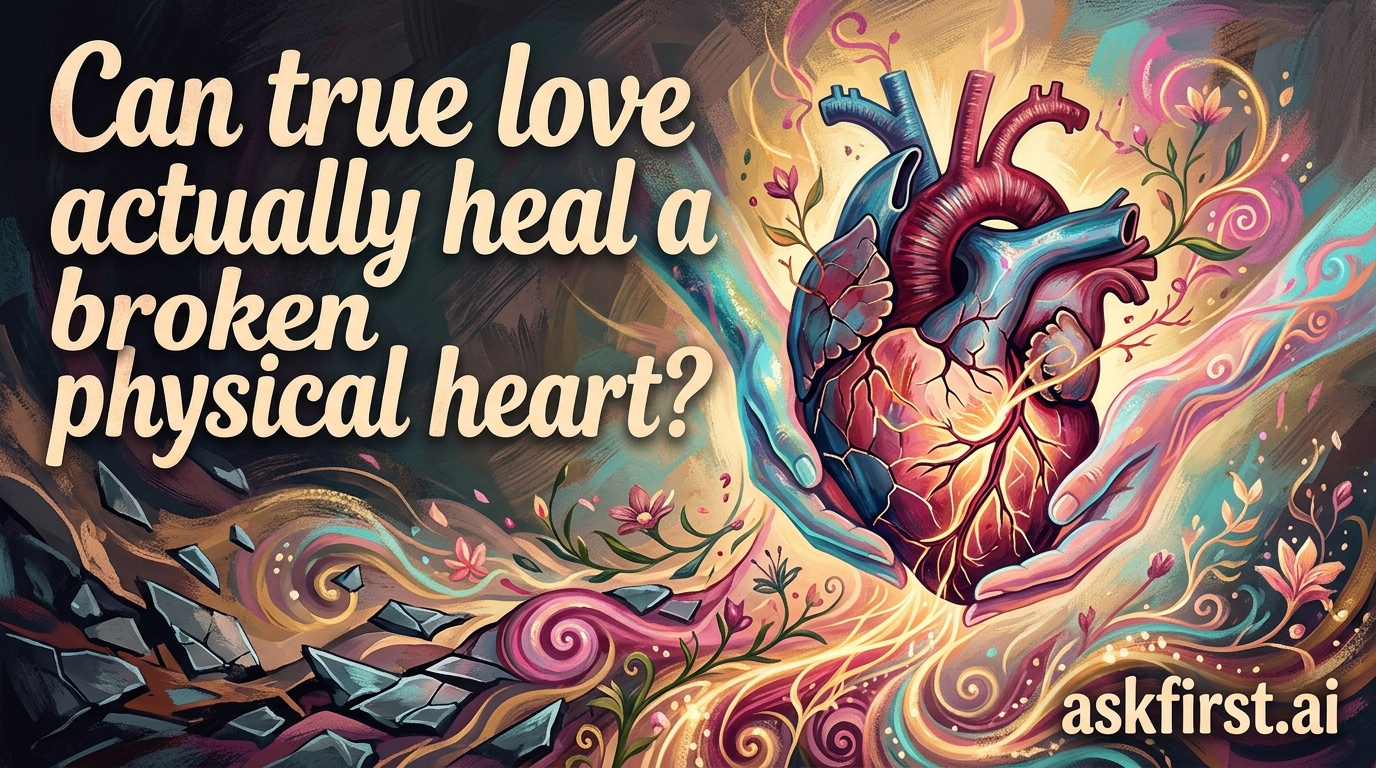
Takotsubo Cardiomyopathy is a temporary heart condition that is frequently brought on by stressful situations and extreme emotions. The condition involves a sudden weakening of the heart's muscular pump, which occurs in response to physical or emotional stress. The left ventricle, which is the heart's main pumping chamber, changes shape, ballooning out at the bottom while the neck remains narrow. This specific shape resembles a Japanese octopus trap, or "takotsubo," which is how the syndrome earned its name.
Key characteristics of this phenomenon include:
- Sudden Onset: Symptoms often mimic a myocardial infarction (heart attack), including chest pain and shortness of breath.
- Stress-Induced: Triggering events often involve intense emotional triggers, such as the sudden death of a loved one, a difficult divorce, or even significant surprise.
- Reversibility: Unlike a typical heart attack where damage can be permanent due to arterial blockage, the structural changes in Takotsubo are usually reversible. With proper medical support, the heart muscle often recovers its full function within weeks.
Does Love Heal the Heart?
While stress can damage the physical heart, the converse is equally compelling: Positive emotional connection acts as a physiological stabilizer. The presence of a nurturing, loving relationship has been shown to reduce systemic inflammation, lower cortisol levels, and optimize blood pressure. This effect is often described through the lens of the "tend-and-befriend" response, a theory proposed by researchers like Shelley Taylor, which suggests that social bonds act as a primary buffer against life's stressors.
Scientific evidence supporting the healing power of love includes:
- Oxytocin Production: Often dubbed the "cuddle hormone," oxytocin is released during physical intimacy and positive social interactions. It acts as a potent cardioprotective agent, reducing myocardial cell death and promoting cardiovascular relaxation.
- Vagal Tone Enhancement: Deep social connections stimulate the vagus nerve, which helps regulate heart rate and promotes a state of physiological calm. A high vagal tone is a strong indicator of cardiovascular resilience.
- Reduced Sympathetic Overdrive: Love reduces the body's "fight or flight" response. By tempering the sympathetic nervous system, consistent emotional support prevents the chronic wear and tear on cardiac tissue typically caused by prolonged anxiety.
The Mechanics of Resilience
When one asks if true love can heal, the answer lies in the concept of Allostatic Load. This is the "wear and tear" on the body that accumulates as an individual is exposed to repeated or chronic stress. A healthy, loving bond functions as a physiological "brake" system. It provides a sanctuary that lowers the individual's baseline stress level, allowing the cardiovascular system to operate in a restorative mode rather than a defensive one.
Research published in various cardiovascular journals indicates that individuals in stable, loving relationships have significantly better recovery rates following cardiac events. The presence of a partner who provides emotional scaffolding reduces the patient's anxiety and promotes better adherence to wellness protocols, proving that while a human heart is a biological organ, its performance is inextricably linked to the social and emotional climate it inhabits.
Moving Beyond Metaphor
It is essential to clarify that love is not a substitute for standard medical intervention in the event of heart failure. However, as a preventative and rehabilitative framework, the health benefits of companionship and deep human connection are unparalleled. The heart, while physical, reacts to the internal environment of the brain, which in turn reacts to the external environment of relationships.
By nurturing high-quality relationships, humans essentially create a "cardiac shield." The physiological reality is that love promotes longevity by keeping the heart from entering the hyper-stressed, inflammatory states that characterize chronic disease. In summary, love does not necessarily stitch muscle fibers back together like a needle and thread, but it provides the systemic environment required for the body’s innate healing mechanisms to flourish. It is a powerful catalyst for cardiovascular health, shifting the body from a state of survival to a state of thrive.