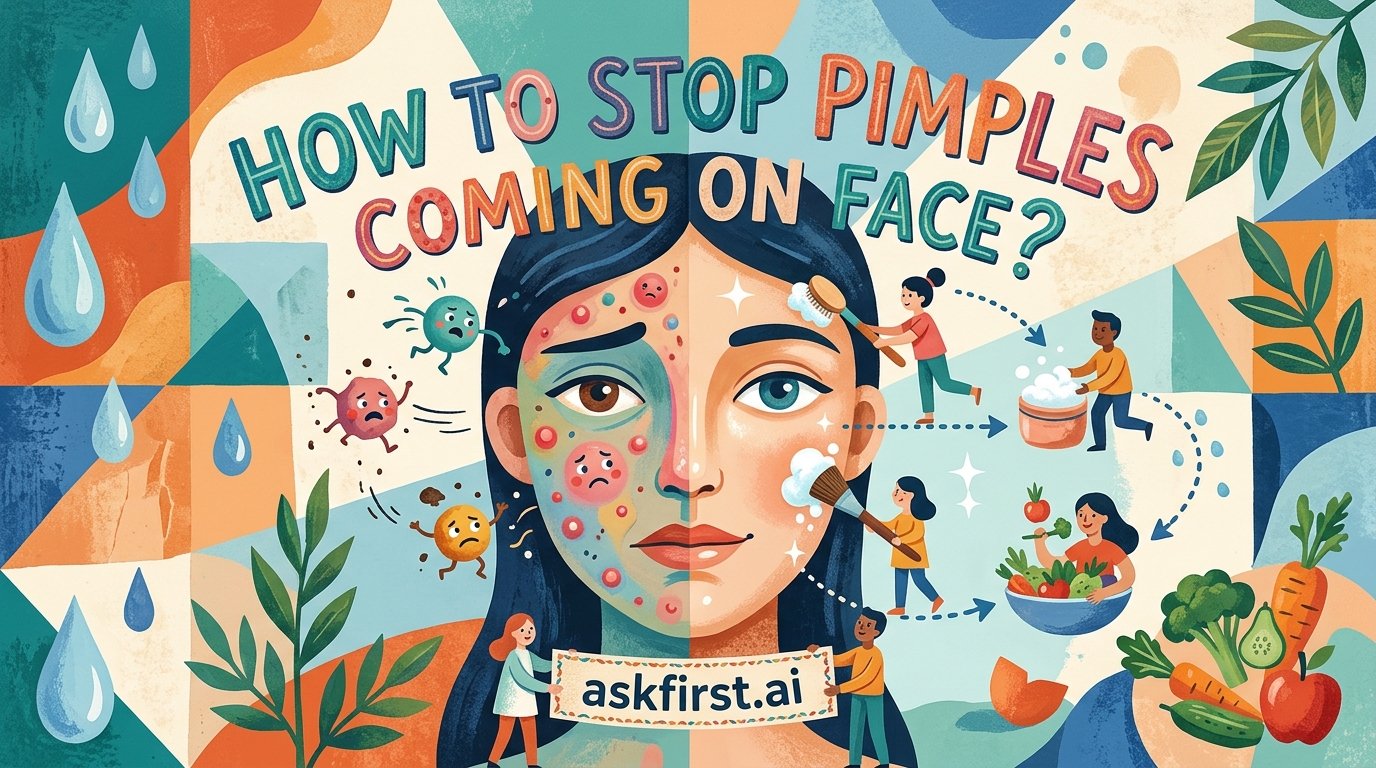
Managing acne is not merely a matter of finding a quick topical solution; it is a complex physiological balancing act involving hormones, oil production (sebum), bacterial colonization, and systemic inflammation. To effectively stop pimples from emerging on your face, you must adopt a multi-faceted strategy that addresses both the internal biological triggers and the external environmental factors.
The Biological Mechanism of Acne Formation
To stop pimples, one must first understand what they are. In dermatological literature, such as in the seminal textbook Fitzpatrick's Dermatology, acne vulgaris is identified as a disorder of the pilosebaceous unit. This unit consists of the hair follicle and its associated sebaceous gland. When these glands overproduce sebum, it mixes with dead skin cells (keratinocytes) to form a "plug." This environment is the perfect breeding ground for Cutibacterium acnes, the bacteria responsible for the inflammation we perceive as a pimple. Stopping this process requires breaking the chain at one of these four links: oil production, cell turnover, bacterial growth, or inflammation.
1. Establishing a Consistent Topical Foundation
The most effective way to prevent the formation of comedones (clogged pores) is through consistent chemical exfoliation. Relying on harsh physical scrubs often worsens the situation by causing micro-tears in the skin barrier, which invites further inflammation.
- Salicylic Acid (BHA): As a lipid-soluble ingredient, salicylic acid can penetrate deep into the pores to dissolve the "glue" holding dead skin cells together. Dr. Albert Kligman, the pioneer of retinoid therapy, often emphasized the importance of follicular penetration in acne treatment. Using a 2% salicylic acid cleanser or leave-on treatment twice daily can significantly reduce the formation of blackheads and whiteheads.
- Retinoids (Vitamin A derivatives): These are the "gold standard" in acne prevention. Retinoids, such as Adapalene (available over-the-counter as Differin), work by increasing the rate of cellular turnover. By shedding skin cells faster, they prevent the pore-clogging process before it begins. According to the American Academy of Dermatology, consistent use of topical retinoids is essential for long-term acne management.
- Benzoyl Peroxide: This ingredient acts as a powerful antimicrobial agent. It introduces oxygen into the pore, which kills the anaerobic C. acnes bacteria. It is best used as a preventative "spot treatment" or a wash on areas prone to breakouts.
2. Dietary and Internal Considerations
While historical dermatology once downplayed the role of diet, modern research has shifted this perspective. The "Glycemic Index" (GI) is now recognized as a significant factor in acne severity. Foods with a high GI—such as refined sugars, white bread, and processed snacks—trigger a spike in insulin. High insulin levels stimulate the production of androgens, which in turn signal sebaceous glands to produce more oil.
In The Clear Skin Diet by Nina Nelson and Valori Treloar, the authors provide compelling evidence that stabilizing blood sugar can lead to a drastic reduction in sebum production. To stop pimples, prioritize a diet rich in:
- Omega-3 Fatty Acids: Found in walnuts, flaxseeds, and fatty fish, these act as systemic anti-inflammatories.
- Zinc: Often cited in clinical studies for its role in skin healing, zinc supplements (or zinc-rich foods like pumpkin seeds) can help regulate oil production.
- Hydration: Proper water intake ensures that your skin’s natural barrier functions optimally, preventing the over-compensation of oil production that occurs when the skin is dehydrated.
3. Environmental Hygiene and Habit Optimization
Often, the cause of acne is hidden in plain sight through daily habits. Your skin is in constant contact with bacteria-laden surfaces.
- Pillowcases and Towels: These harbor oils, dead skin, and bacteria. Replace your pillowcase at least twice a week. If you have active breakouts, use a fresh towel for your face every single day.
- Smartphone Hygiene: The screen of your phone is a reservoir for bacteria. Wipe it down with an alcohol-based disinfectant daily, as pressing it against your cheek is a common, overlooked cause of unilateral acne.
- The "Hands-Off" Rule: Touching your face transfers oils and dirt from your hands directly to your pores. Furthermore, picking at existing pimples forces bacteria deeper into the dermis, often causing secondary infections and permanent scarring.
4. Managing Hormonal Fluctuations
If your acne is concentrated around the jawline and chin, or if it flares predictably with your menstrual cycle, it is likely hormonally driven. In such cases, topical treatments are only half the battle. Consult a dermatologist regarding hormonal therapies such as spironolactone, which blocks the androgen receptors in the skin, effectively telling your glands to "cool down."
Conclusion
Stopping pimples is a process of patience and precision. There is no singular "cure," but by combining the chemical power of retinoids and salicylic acid, the stabilization of blood sugar, and the rigorous maintenance of hygiene, you can manipulate your skin’s environment to prevent breakouts before they surface. Remember that the skin cycle is approximately 28 to 40 days; therefore, any new regimen should be followed for at least six weeks before you expect to see definitive, long-term results. Consistency is the most potent ingredient in any skincare routine.