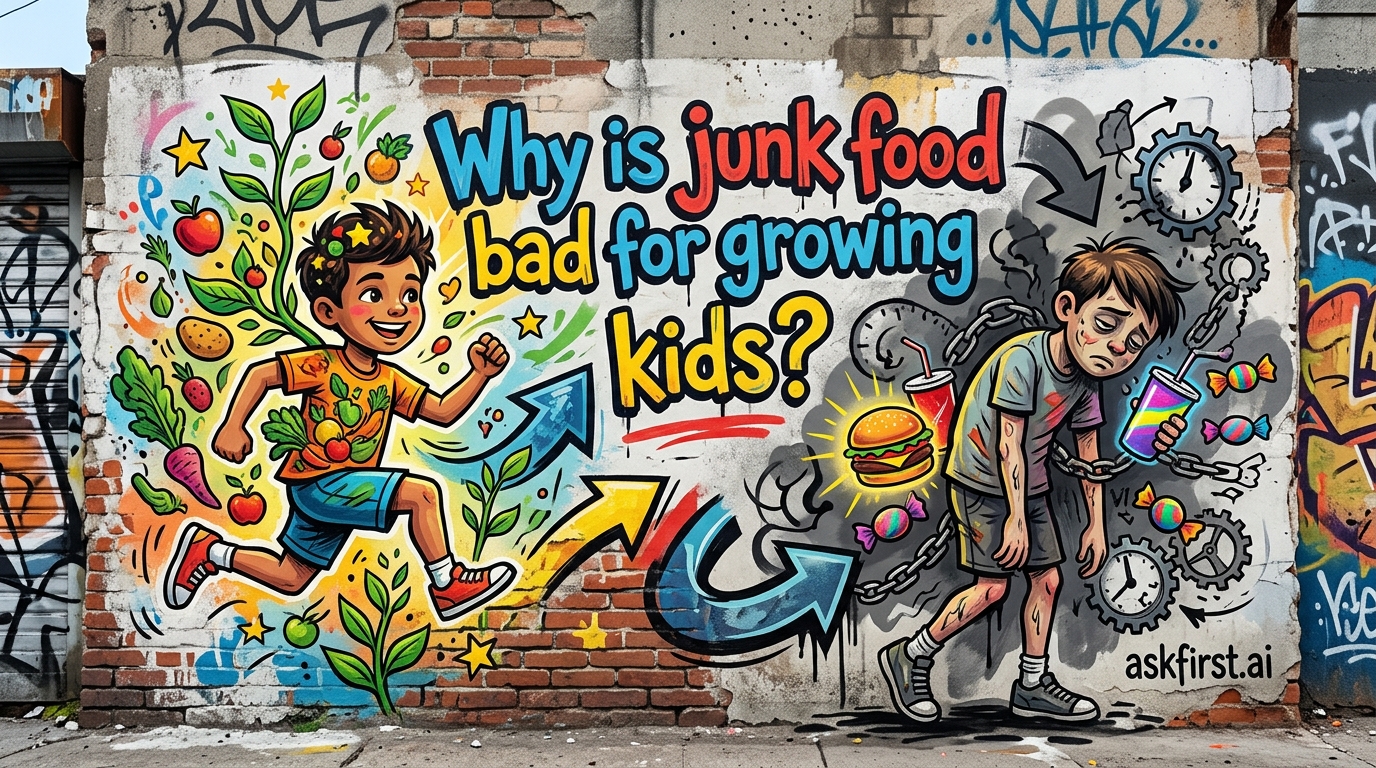
The Profound Impact of Junk Food on Child Development: A Comprehensive Analysis
The consumption of junk food—defined as calorie-dense, nutrient-poor items high in processed sugars, unhealthy fats, and sodium—presents a significant physiological and psychological hurdle for growing children. During childhood and adolescence, the body undergoes rapid developmental phases that require a precise balance of macro and micronutrients. When these are replaced by ultra-processed foods, the long-term health trajectory of the child is fundamentally altered.
Biological Mechanisms of Damage
Growing bodies rely on essential vitamins, minerals, and proteins to build bone density, neural pathways, and immune defenses. Junk food, conversely, is characterized by:
- Empty Calories: These provide energy spikes without the necessary co-factors for metabolism, leading to a "hidden hunger" where a child may be overfed in calories but malnourished in micronutrients.
- Inflammatory Response: High intake of refined sugars and trans fats triggers systemic inflammation, which is linked to early-onset metabolic syndrome, insulin resistance, and cardiovascular strain.
- Hormonal Disruption: Constant spikes in blood glucose levels force the pancreas to overproduce insulin, a precursor to Type 2 diabetes, a condition once rarely seen in pediatric populations.
Impact on Cognitive Development
The most critical window for brain development occurs in the first two decades of life. Research suggests that diets high in saturated fats and sugars can impair hippocampal function, the area of the brain responsible for memory and learning. Furthermore, artificial dyes and preservatives have been statistically correlated with increased instances of hyperactivity and attention deficits in susceptible children. A diet lacking in Omega-3 fatty acids—often replaced by processed snacks—can hinder the myelination process, potentially slowing cognitive processing speeds.
The Cycle of Dependency
Junk food is engineered for "bliss point" satisfaction, utilizing specific ratios of salt, sugar, and fat to trigger dopamine releases in the brain. This creates a neurobiological reward loop similar to addictive substances. For children, whose impulse control centers (the prefrontal cortex) are still maturing, breaking this cycle is exceptionally difficult. This leads to:
- Preference Conditioning: Children become accustomed to hyper-palatable foods, making natural, whole foods like vegetables and legumes seem bland or unappealing.
- Emotional Eating: Relying on processed snacks for comfort during stress can establish unhealthy coping mechanisms that persist into adulthood.
Practical Strategies for Nutritional Intervention
Parents and guardians can mitigate these risks through structured dietary habits:
- Prioritize Whole Foods: Emphasize fruits, vegetables, lean proteins, and complex carbohydrates.
- The 80/20 Rule: Aim for 80% whole foods and allow 20% flexibility to prevent feelings of deprivation.
- Label Literacy: Educate children on how to read labels, focusing on added sugars rather than just total calories.
- Model Behavior: Children are mimicry-based learners; they are significantly more likely to choose healthy options if they observe adults doing the same.
Future Trends and Conclusion
As global obesity rates continue to climb, public health policy is shifting toward stricter regulation of marketing junk food to minors. However, the onus remains on nutritional education. By prioritizing nutrient-dense intake, we safeguard children against chronic disease, ensure optimal cognitive development, and foster a lifelong relationship with food that sustains rather than depletes the body. Prevention today is the only effective cure for the metabolic crises of tomorrow.