The Golden Elixir: Honey as Nature's Time-Tested Remedy
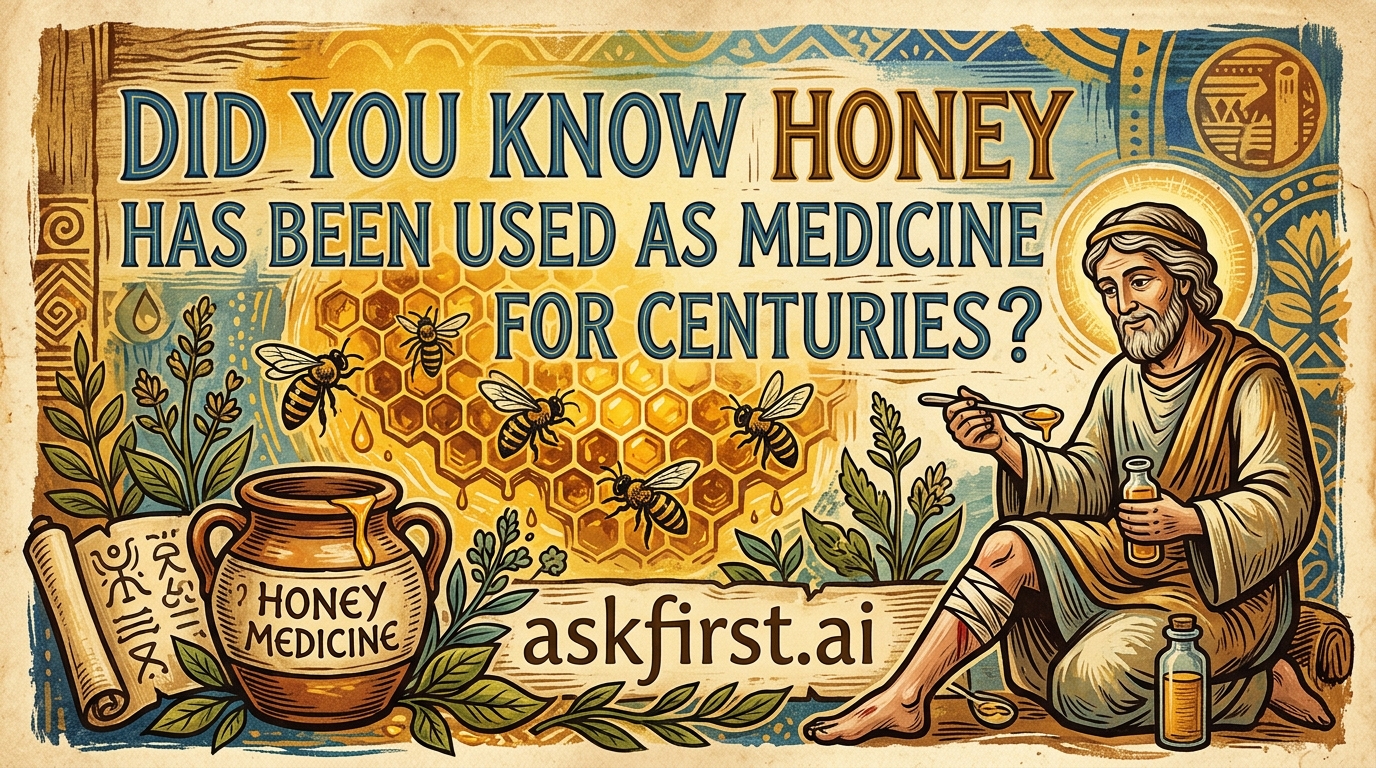
Honey, far from being merely a sweetener for tea, stands as one of the oldest medicinal substances known to humanity. For millennia, civilizations from ancient Egypt to traditional Ayurveda have revered honey as a potent therapeutic agent. Archaeological evidence shows that honey jars were placed in the tombs of pharaohs, preserved perfectly for thousands of years, highlighting both its endurance and its high cultural value.
The Science of Healing
The medical efficacy of honey is derived from a complex blend of properties that distinguish it from simple sugars. Key factors include:
- High Osmolarity: The high sugar concentration creates an osmotic pressure that draws water out of bacteria cells, effectively dehydrating and neutralizing them.
- Low pH Levels: Honey is naturally acidic, with a pH usually ranging between 3.2 and 4.5. This acidic environment is hostile to most microorganisms, inhibiting their growth.
- Hydrogen Peroxide Production: When diluted, the enzyme glucose oxidase, secreted by bees into the nectar, produces hydrogen peroxide, a mild, natural antiseptic.
- Polyphenol Content: Honey is packed with flavonoids and phenolic acids, which act as powerful antioxidants, reducing oxidative stress and systemic inflammation in the body.
Clinical Applications: Beyond Sweetness
Modern science continues to investigate the specific applications of honey, particularly in wound care and dermatological health. Manuka honey, sourced from the Leptospermum scoparium bush in New Zealand, is particularly notable for its high non-peroxide activity, specifically the UMF (Unique Manuka Factor). It is currently utilized in clinical settings to dress ulcers and burns. Because of its viscosity, it provides a protective barrier against external pathogens while maintaining a moist environment conducive to tissue regeneration.
Moreover, honey has demonstrated significant efficacy in soothing upper respiratory tract symptoms. Multiple clinical trials suggest that a spoonful of honey can be as effective, or sometimes superior, to over-the-counter cough suppressants. It works by coating the mucous membranes in the throat, providing a physical barrier that calms the cough reflex.
Precautions and Modern Wisdom
While honey is a remarkable natural resource, its application must be approached with informed caution. The most critical directive in medical honey usage is never to feed raw honey to infants under twelve months old due to the potential risk of Clostridium botulinum spores, which, while harmless to adults, can be life-threatening to an undeveloped digestive system. Furthermore, individuals with diabetes must account for the glycemic impact of honey, as it is still primarily composed of fructose and glucose.
As research advances, the potential for honey to serve as an adjuvant in antibiotic-resistant infection management grows. By understanding the intricate biochemistry of this substance, humanity continues to unlock the ancient wisdom that our ancestors recognized long before the advent of modern pharmacology.