The Sweet History: Why Doctors Once Prescribed Candy for Coughs
In the nineteenth and early twentieth centuries, the boundary between confectionery and medicine was remarkably porous. While modern medicine relies on synthetic compounds and precise clinical trials, historical medical practices often prioritized patient compliance and immediate palliative relief. The prescription of candy—specifically medicated lozenges—was not a sign of medical negligence, but rather a calculated strategy to soothe the throat and deliver therapeutic ingredients in a palatable, consistent format.
The Psychology of Palatability
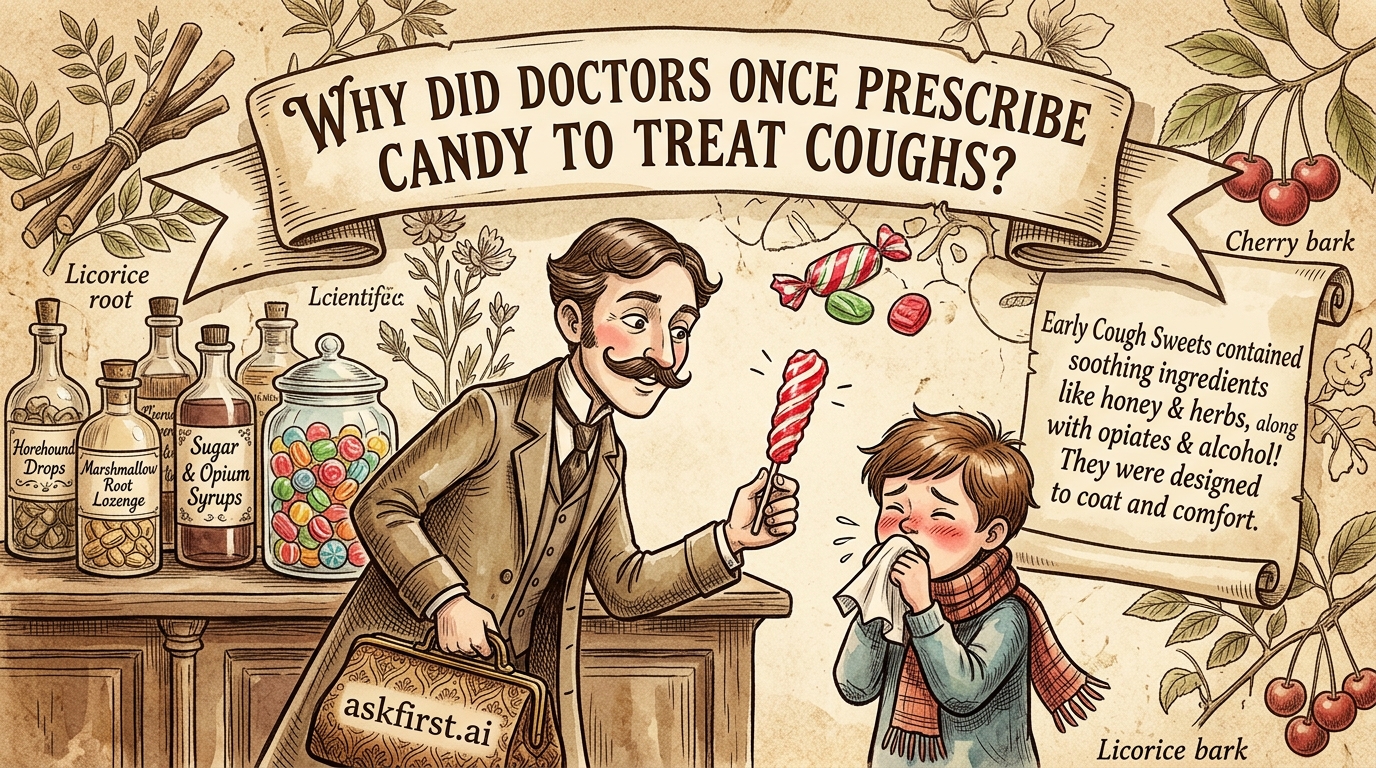
Before the advent of modern liquid cough syrups, physicians struggled with the bitter taste of traditional herbal remedies like opium, morphine, or extract of squill. These substances, while effective at suppressing a cough reflex, were notoriously difficult for children and even adults to ingest. By incorporating these active ingredients into a candy base made of boiled sugar, glucose, or honey, pharmacists could effectively mask the medicinal bitterness.
Doctors understood a fundamental psychological principle: patients are far more likely to adhere to a treatment regimen if the medicine is perceived as a treat. This marriage of sugar and medicine turned a chore into a reward, ensuring the consistent delivery of the drug. According to historical archives, companies like Smith Brothers and various apothecaries thrived by marketing their products as "medicinal confections."
The Science of the Sugar Base
Beyond taste, there is a distinct pharmacological benefit to using a hard candy base for cough treatment:
- Demulcent Action: Hard candies stimulate the production of saliva, which coats the throat and acts as a demulcent. This physically coats the irritated mucosal membranes, providing instant relief from the tickling sensation associated with dry coughs.
- Slow Release: Unlike a liquid that is swallowed immediately, a medicated lozenge allows for a slow, controlled release of the active ingredients as the candy dissolves. This keeps the medicine in contact with the inflamed pharyngeal tissues for a longer duration.
- Humectant Properties: Ingredients like honey or sugar attract water to the throat, maintaining moisture in tissues that are often parched during bouts of illness.
Evolution into Modern Practice
While the candy-based delivery system is still in use today—evident in every pharmacy aisle filled with mentholated drops—the ingredients have changed significantly. Nineteenth-century formulations often included potent narcotics that are strictly controlled today. As medical regulation tightened throughout the twentieth century, the reliance on potentially addictive substances was phased out in favor of safer alternatives like dextromethorphan, menthol, or benzocaine.
Ultimately, the practice of prescribing candy was an early, intuitive form of drug delivery engineering. By leveraging the soothing properties of sugar and the universal appeal of sweets, historical practitioners bridged the gap between difficult medicine and patient comfort, establishing the foundation for the modern medicated lozenge industry we recognize today.