The Sonic Healing Paradigm
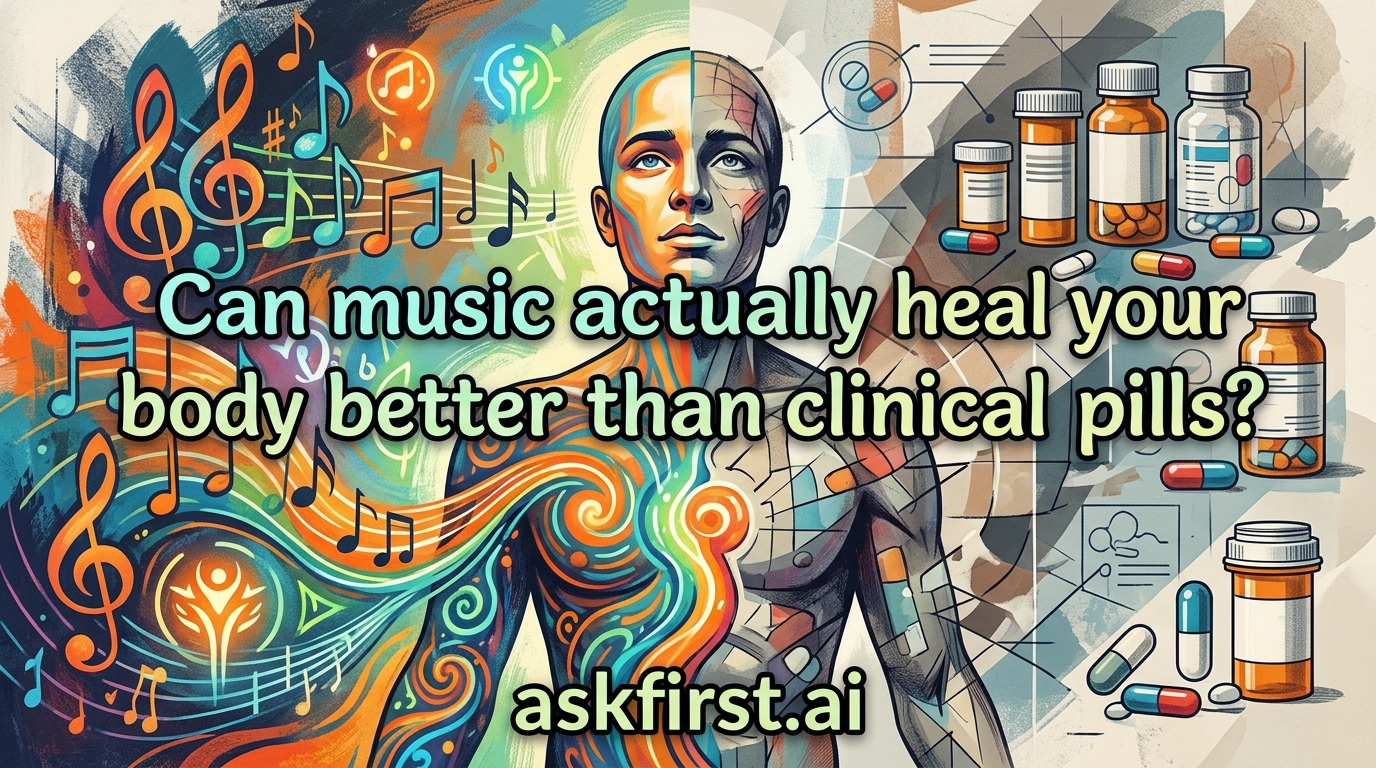
The debate over whether auditory stimulation can outperform pharmaceutical interventions is nuanced, as music therapy is generally viewed as an adjunct rather than a complete replacement for clinical medicine. While music cannot synthesize chemical compounds to address complex bacterial infections, its profound neurological and physiological influence is undeniable. Modern research suggests that specific musical frequencies and rhythmic patterns interact with the autonomic nervous system to trigger tangible physical recoveries.
Neurological Impacts
When a person listens to structured sound, the brain undergoes significant changes. Studies published in journals like Nature Neuroscience indicate that dopamine release during pleasurable musical experiences mirrors the intensity of pharmacological rewards. Furthermore, music therapy has been shown to:
- Reduce Cortisol Levels: By dampening the hypothalamic-pituitary-adrenal axis, music effectively lowers stress hormones that otherwise inhibit tissue repair.
- Regulate Heart Rate Variability: Rhythmic entrainment encourages a parasympathetic state, which is vital for long-term health.
- Pain Modulation: Through the gate control theory of pain, music occupies neural pathways that would otherwise transmit pain signals, often leading to reduced requirements for analgesic medication.
Clinical Limitations vs. Potentials
It is critical to distinguish between acute surgical necessity and chronic psychosomatic symptoms. For example, a patient requiring life-saving antibiotics cannot rely on melodies alone, as the drug serves a specific molecular function that sound cannot replicate. Conversely, for issues like chronic anxiety, postoperative recovery, or neurodegenerative conditions, music often achieves results that pills cannot produce without the risk of systemic side effects.
Research indicates that patients exposed to specialized soundscapes in clinical settings often report lower levels of perceived pain and demonstrate faster recovery times compared to control groups receiving standard care. Music functions by fostering a neurobiological environment conducive to healing, essentially 'hacking' the nervous system to promote homeostasis. This is not about magic, but about the high-bandwidth communication between auditory processing centers and the brain's regulatory hubs.
The Future of Integrative Medicine
As we look toward 2030 and beyond, the integration of 'digital medicine'—where sound therapy is prescribed with the same precision as a dosage of medication—is gaining momentum. While music is not a substitute for essential pharmacological treatments, it serves as a powerful, non-invasive catalyst. By managing the body's internal chemistry through external sound frequencies, medicine is shifting toward a model that emphasizes the brain's inherent capacity to dictate physical wellness. Ultimately, music acts as a sophisticated signaling mechanism, while pills act as molecular tools; when combined, they provide a holistic framework for human health.