The Psychology of Workplace Intimacy: Why Coworkers Often Irritate Us
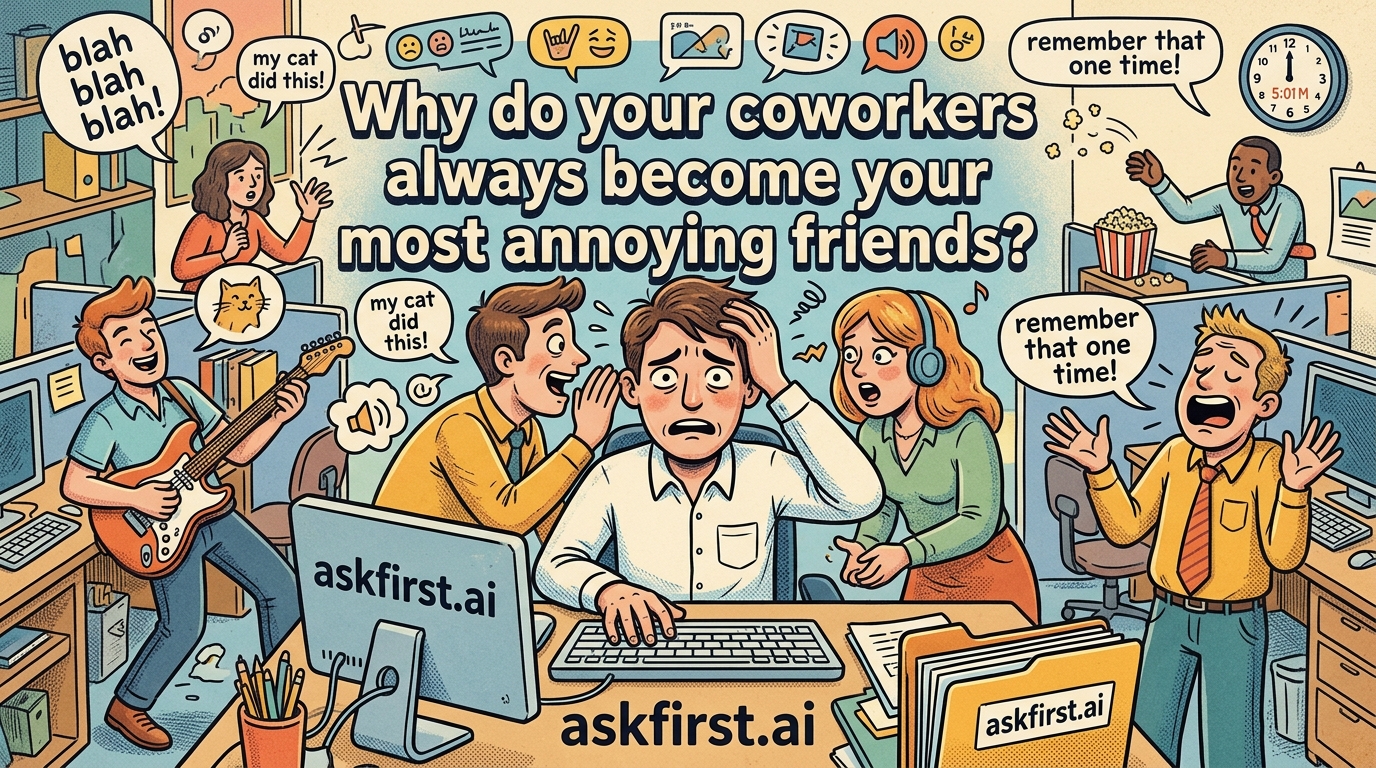
The phenomenon of workplace relationships evolving into complex, often frustrating bonds is rooted in the forced proximity and high-stakes environment of professional life. Unlike chosen social circles, the workplace constitutes an 'involuntary association' where individuals from diverse backgrounds are tethered together by shared goals and geographic constraints. This dynamic creates a fertile ground for intense but often friction-heavy connections.
The Proximity Principle and Forced Familiarity
Social psychologists identify the Proximity Principle as a primary driver of workplace bonds. Frequent, unplanned interactions increase the likelihood of friendship development. However, these interactions are not limited to agreeable moments; they encompass the entire range of human behavior, including stress-induced irritability, competing professional ambitions, and clashing communication styles. When individuals interact daily under the pressures of deadlines and productivity mandates, even small eccentricities become magnified. Research in organizational psychology suggests that constant exposure can trigger 'behavioral contagion,' where the negativity or poor habits of one peer are mirrored by others, fostering a cycle of shared irritation.
The Role of Cognitive Load and Ego Depletion
Workplace interactions require significant cognitive energy. Maintaining a professional facade, navigating corporate politics, and managing task lists lead to what psychologists term ego depletion. As mental resources dwindle throughout the workday, tolerance thresholds lower significantly. Coworkers often serve as the primary audience for this exhaustion, leading to reactions that are less measured than those found in private social settings. Consequently, the "annoying" label is often a byproduct of seeing individuals when their mental reserves are at their lowest point.
The Intersection of Personal and Professional Boundaries
Friendships built in the workplace struggle with the 'role conflict' of being both a peer and a collaborator. When an individual must evaluate or rely on a colleague for success, the emotional stakes are higher than in casual social circles. If that peer fails to meet expectations, the disappointment is amplified by the professional consequences of that failure. This creates a unique brand of friction where the "friend" is also the source of stress.
Navigating the Dynamic
To manage these complex relationships, experts recommend:
- Maintaining Clear Boundaries: Discern between professional collaboration and personal friendship to reduce expectation-based friction.
- Practicing Empathy: Acknowledge that the annoying behavior likely stems from institutional stressors rather than malice.
- Diversifying Social Circles: Seek fulfillment outside the office to balance the intensity of professional relationships.
Ultimately, the irritation experienced with coworkers is an evolutionary response to high-frequency, forced interaction. By understanding the psychological underpinnings of these dynamics, professionals can transform potential friction into a more stable, understanding peer environment.