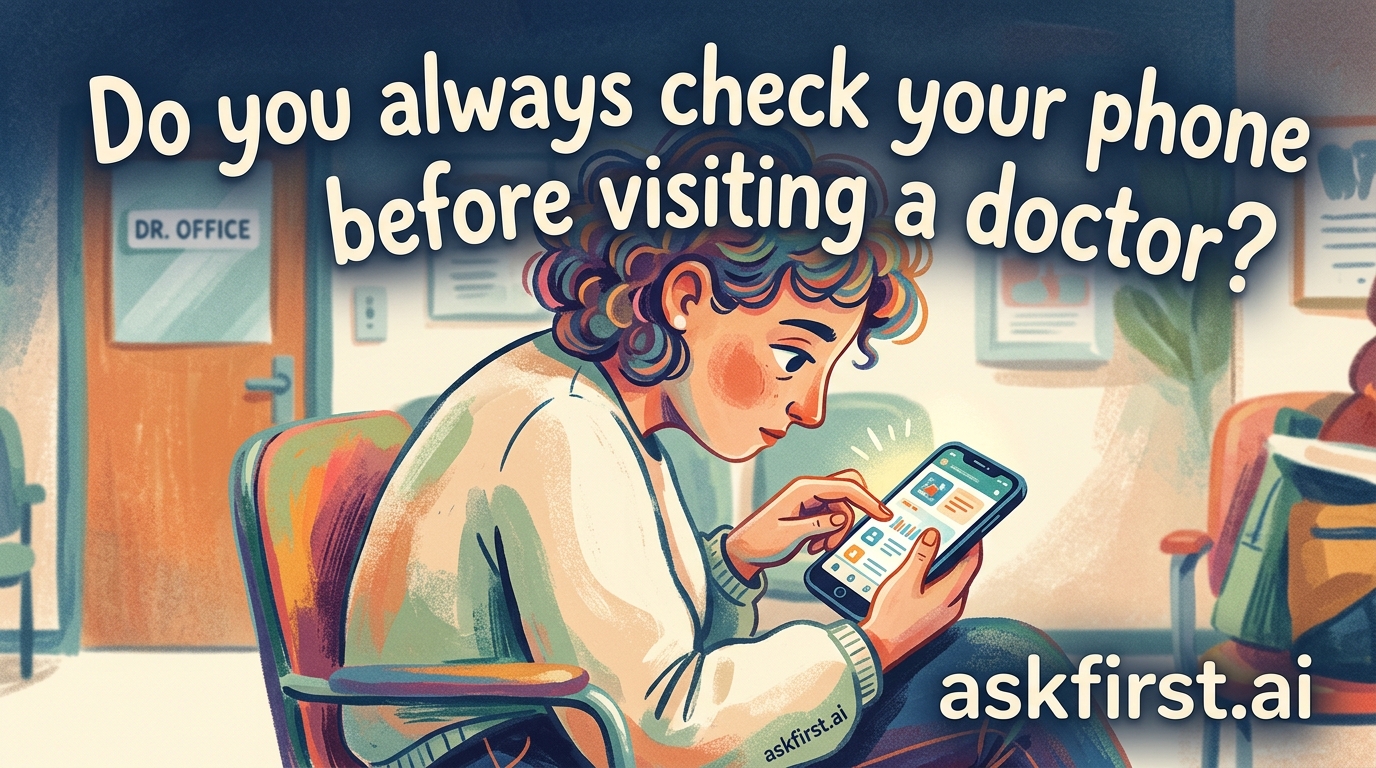
The Digital Diagnostic Dilemma: Why Researching Symptoms Can Be Your Greatest Asset or Your Worst Enemy
In the era of instant information, the impulse to consult a search engine before a medical consultation is nearly universal. While traditional medical advice often cautions against "Dr. Google," strategic digital preparation can actually enhance the quality of care provided by healthcare professionals. The key lies in shifting from passive symptom-searching to active medical advocacy.
The Power of Informed Preparation
When a patient arrives at an appointment armed with organized, relevant data, the consultation becomes significantly more efficient. Instead of wasting precious minutes describing vague sensations, patients can provide structured insights that help physicians narrow down potential diagnoses faster. This collaborative approach transforms the doctor-patient relationship from a one-way lecture into a strategic partnership.
Essential Data to Organize
To maximize the effectiveness of a medical visit, digital documentation should focus on objective, quantifiable information rather than catastrophic speculation. Consider keeping a structured document that includes the following pillars:
- Chronological Timeline: Note exactly when symptoms began and their progression over time. Identify clear patterns rather than isolated incidents.
- Severity Index: Use a consistent scale (e.g., 1-10) to track intensity throughout the day or night.
- Trigger Identification: Document potential environmental factors, dietary habits, or physical activities that seem to correlate with symptom flares.
- Medication and Supplement Logs: Include exact dosages and frequency of anything currently being taken, as these can significantly influence treatment plans.
The Pitfalls of Digital Speculation
While data collection is beneficial, the danger arises when patients allow search algorithms to influence their psychological state before ever seeing a specialist. A common psychological phenomenon is "cyberchondria," where the process of searching for symptoms exacerbates anxiety, leading individuals to believe they have far more serious conditions than what is statistically probable. This is often driven by confirmation bias, where users ignore mundane explanations in favor of extreme, alarming scenarios generated by search engine results.
Maintaining Objectivity
To avoid this trap, it is vital to utilize reputable, evidence-based sources such as academic medical databases, university health centers, or national public health websites, rather than unverified blogs or social media forums. The goal of digital research should be to learn how to describe sensations more accurately, not to formulate a self-diagnosis.
Ultimately, a smartphone can be a powerful tool for health literacy. When used as a clinical diary to document experiences objectively, it bridges the communication gap during appointments. When used to fuel anxiety through alarmist self-diagnosis, it hinders the process. Approach the digital assistant as a secretary for health records, never as the physician itself.