The Ultimate Guide to Choosing the Perfect Bedroom Paint Color
Selecting the ideal paint color for a bedroom is a critical design decision that directly influences sleep quality, mood, and the overall perception of space. Because the bedroom is a sanctuary for rest, color psychology plays a significant role in determining which hues are most effective for promoting relaxation and tranquility.
The Science of Bedroom Color Psychology
Color theory suggests that our brains respond to specific wavelengths of light in ways that can either stimulate or calm our nervous systems. For bedrooms, the goal is typically to lower heart rates and reduce cortisol levels.
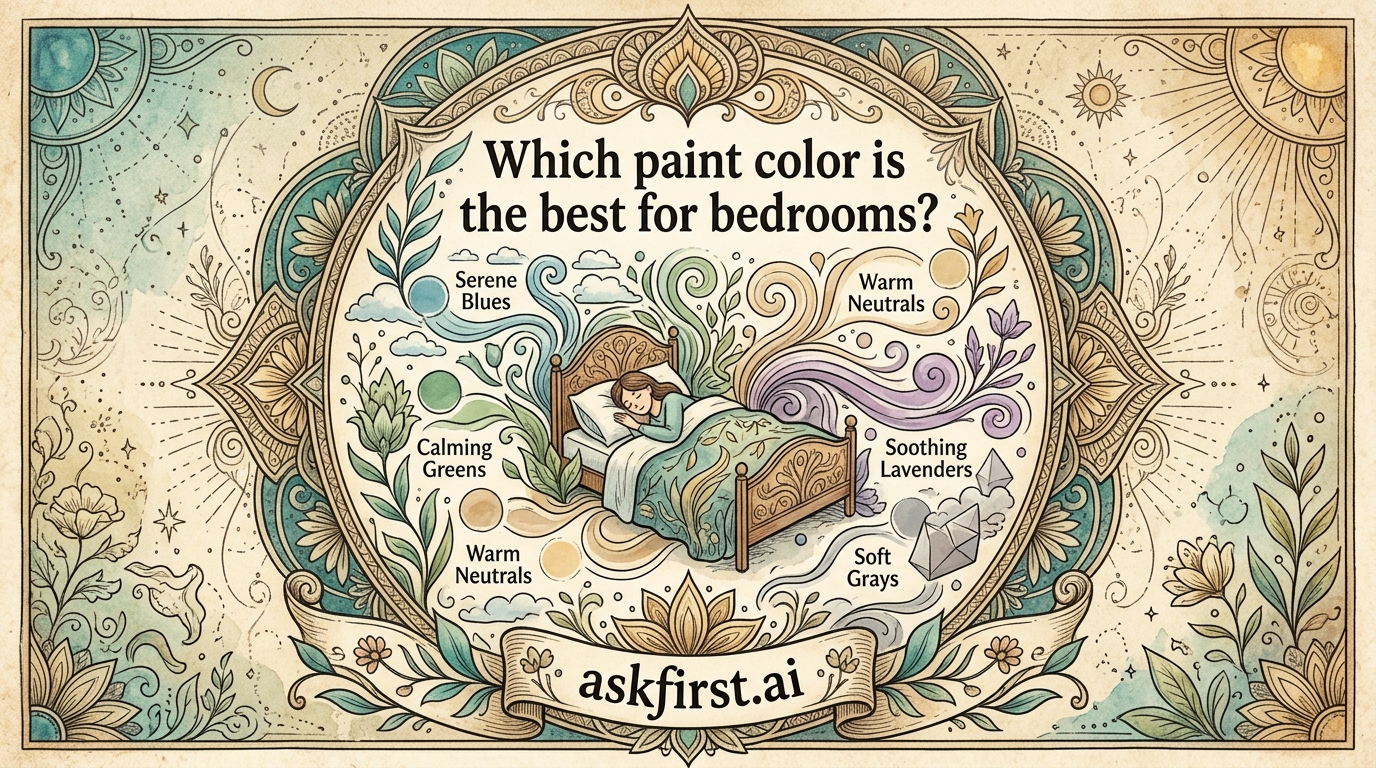
- Cool Tones: Blues, greens, and soft lavenders are widely regarded as the best choices. Blue, in particular, is associated with the sky and ocean, triggering a sense of calm.
- Neutral Palettes: Beiges, greys, and warm whites provide a "blank canvas" that reduces visual clutter, which is essential for a restful mind.
- Warm Tones: While vibrant reds or oranges are generally avoided due to their stimulating, high-energy nature, muted terracottas or dusty pinks can add warmth without disrupting sleep.
Top Recommended Color Categories
1. Serene Blues and Greens
Blue is consistently rated as the top bedroom color in global surveys. It is proven to lower blood pressure and slow the heart rate. Sage green is another powerhouse; it bridges the gap between nature and interior design, offering a grounded, earthy feel that mimics the outdoors.
2. Soft Neutrals and "Greige"
"Greige"—a blend of grey and beige—has become the industry standard for modern bedrooms. It provides the sophistication of grey with the warmth of beige, ensuring the room feels cozy rather than clinical. These colors are highly versatile, allowing for easy updates through colorful bedding or art.
3. The Power of "Off-White"
Pure, stark white can feel like a hospital room. Instead, interior designers recommend off-white shades with subtle undertones of yellow or cream to ensure the space feels inviting when the lights are dimmed.
Practical Guide to Selection
When choosing your specific shade, follow these steps to ensure success:
- Analyze Natural Light: North-facing rooms receive cooler, dimmer light; choose warmer, lighter tones to compensate. South-facing rooms receive intense, warm light; you can afford to go darker or cooler here.
- Sample Before You Commit: Never buy a gallon based on a tiny swatch. Paint a 2x2 foot section on different walls and observe the color at three times: morning, noon, and night.
- Consider Finish: For bedrooms, a matte or eggshell finish is preferred. High-gloss finishes reflect too much light, which can be distracting when trying to sleep.
Pros and Cons of Darker Hues
While light colors are traditional, "moody" bedrooms in deep navy, charcoal, or forest green are a growing trend.
- Pros: They create a "cocoon" effect, which many find highly comforting, and they make corners disappear, effectively blurring the room's boundaries.
- Cons: They can make small rooms feel claustrophobic and require excellent lighting design to prevent the space from feeling dungeon-like.
Final Verdict
Ultimately, the "best" color is subjective. However, for the majority of people, a muted, mid-tone blue or a soft greige provides the perfect balance of aesthetic appeal and physiological restfulness. By testing your samples under varied lighting, you can ensure your bedroom becomes the restorative retreat you deserve.